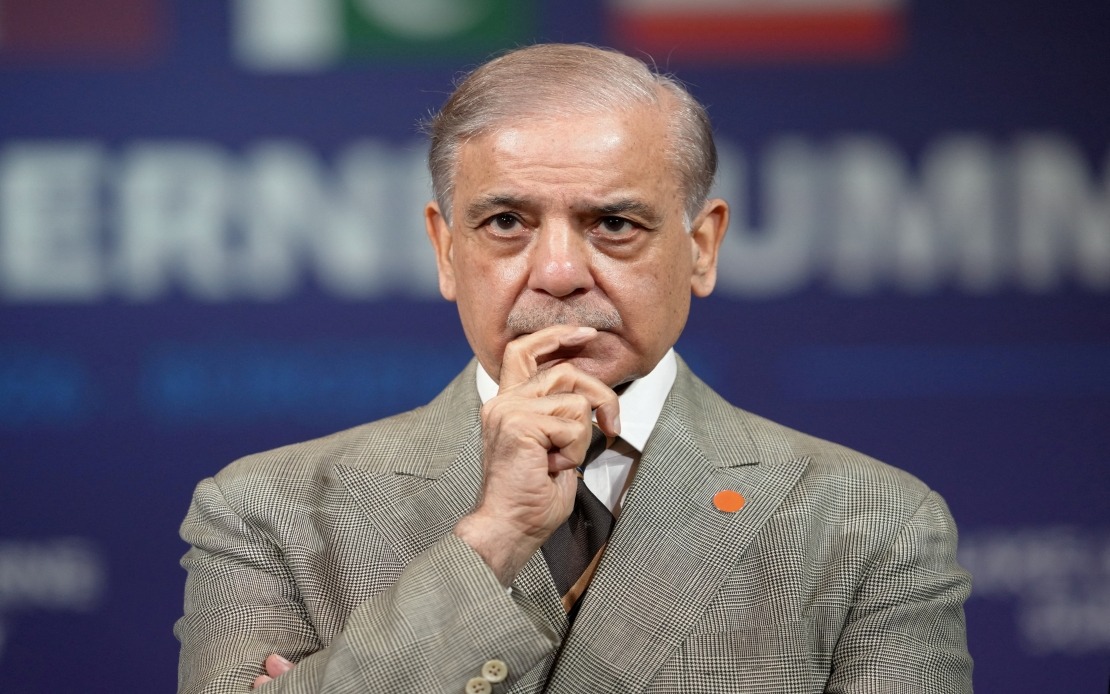
Pakistan's Prime Minister Shehbaz Sharif has confirmed that negotiations between the United States and Iran are set to accelerate over the coming two months, with substantive discussions planned on the Iranian nuclear programme, ballistic missile capabilities, and billions of dollars in frozen Iranian assets. Speaking to the National Assembly in Karachi on Tuesday, Sharif outlined an ambitious timeline for converting a recently signed memorandum of understanding into a comprehensive, long-term agreement between the two historically hostile nations.
The framework driving these talks is the Islamabad Memorandum of Understanding, which Washington and Tehran inked on June 17, with Pakistan playing a formal mediating role. According to Sharif, this document provides the blueprint for technical-level negotiations that are expected to culminate within 60 days, assuming current momentum can be sustained. The Prime Minister's remarks underscore Pakistan's strategic positioning as a credible intermediary in one of the world's most consequential geopolitical standoffs, a role that carries both diplomatic prestige and significant regional implications for South Asia.
Recent talks held in Burgenstock, Switzerland, concluded early this week with what both mediators—Pakistan and Qatar—characterised as productive outcomes. The discussions established several operational mechanisms designed to facilitate future negotiations and maintain dialogue channels between delegations. These mechanisms represent a pragmatic step forward from decades of hostility, though they fall short of resolving the deep structural disagreements that have defined US-Iran relations since Iran's 1979 Islamic Revolution.
However, the Iranian Foreign Ministry moved quickly to inject a note of caution into optimistic interpretations of the Switzerland proceedings. Spokesman Esmaeil Baghaei stated categorically that Iran's ballistic missile programme has never been tabled during direct negotiations with the United States, directly contradicting implications in some international media coverage that all weaponry issues were under discussion. This distinction matters considerably because missile capabilities have long been a red line for Tehran, which views its defence infrastructure as sovereign territory and non-negotiable under international pressure.
Baghaei further clarified Iran's position on nuclear facility inspections, asserting that Tehran will not permit International Atomic Energy Agency inspectors to access nuclear installations previously targeted in strikes by American and Israeli forces. This stance reflects deep-seated Iranian mistrust of inspection regimes, particularly following accusations that inspectors provided intelligence used in military operations. The refusal to allow IAEA access to certain facilities suggests that significant obstacles remain in achieving the kind of comprehensive transparency agreement that Western nations have historically demanded.
These Iranian qualifications reveal the considerable gap between Pakistan's optimistic framing and the actual state of negotiations. While Sharif spoke of "historic progress" and a clear roadmap forward, Tehran's statements suggest that key issues remain fundamentally unresolved and that Iranian negotiators will enter the 60-day window with firm red lines already drawn. The divergence between Pakistani diplomatic language and Iranian clarifications signals that the coming negotiations will likely prove more contentious than initial public statements indicate.
For Southeast Asian observers, the significance of these talks extends beyond the immediate US-Iran relationship. Any agreement reshaping American engagement with Iran would have cascading effects across global energy markets, given Iran's substantial oil reserves and historical role in regional destabilisation. Malaysian interest in stable energy supplies and predictable crude prices means that progress—or breakdown—in these negotiations warrants close monitoring by Kuala Lumpur's strategic planners.
The role of Pakistan and Qatar as mediators also reflects broader shifts in regional diplomacy. Pakistan's position as a Muslim-majority nation with deep ties to both the Middle East and the Western world has given it unique standing in facilitating back-channel communications. The inclusion of Qatar, another Gulf state with sophisticated diplomatic channels, suggests a coordinated approach among regional players to manage the US-Iran relationship. Both countries have significant economic interests in preventing wider regional conflict.
The 60-day timeline announced by Sharif is deliberately compressed, reflecting pressure from all parties to achieve concrete results before political windows narrow or domestic opposition undermines negotiators. For Iran, domestic hardliners have consistently opposed any nuclear concessions, viewing them as capitulation to American pressure. For the United States, domestic political dynamics in an election year add urgency to demonstrating diplomatic progress. This compressed schedule may actually prove counterproductive if negotiators prioritise speed over substantive agreement.
The frozen assets dimension adds another layer of complexity to forthcoming discussions. Iran has long demanded unfreezing of billions in assets seized or inaccessible due to American sanctions. The United States, conversely, has sought guarantees regarding Iranian nuclear activities before releasing funds. This financial component could become a pressure point or, alternatively, a face-saving compromise mechanism if other issues deadlock.
As negotiations enter their crucial phase, the test for Pakistan's mediating role will centre on whether Islamabad can bridge the fundamental differences between Washington's security concerns and Tehran's sovereignty imperatives. The coming 60 days will reveal whether the memorandum represents genuine movement toward normalisation or merely a structured pause in ongoing confrontation. For regional stability, and for Malaysia's economic interests in predictable global energy markets, the outcome carries considerable weight.

