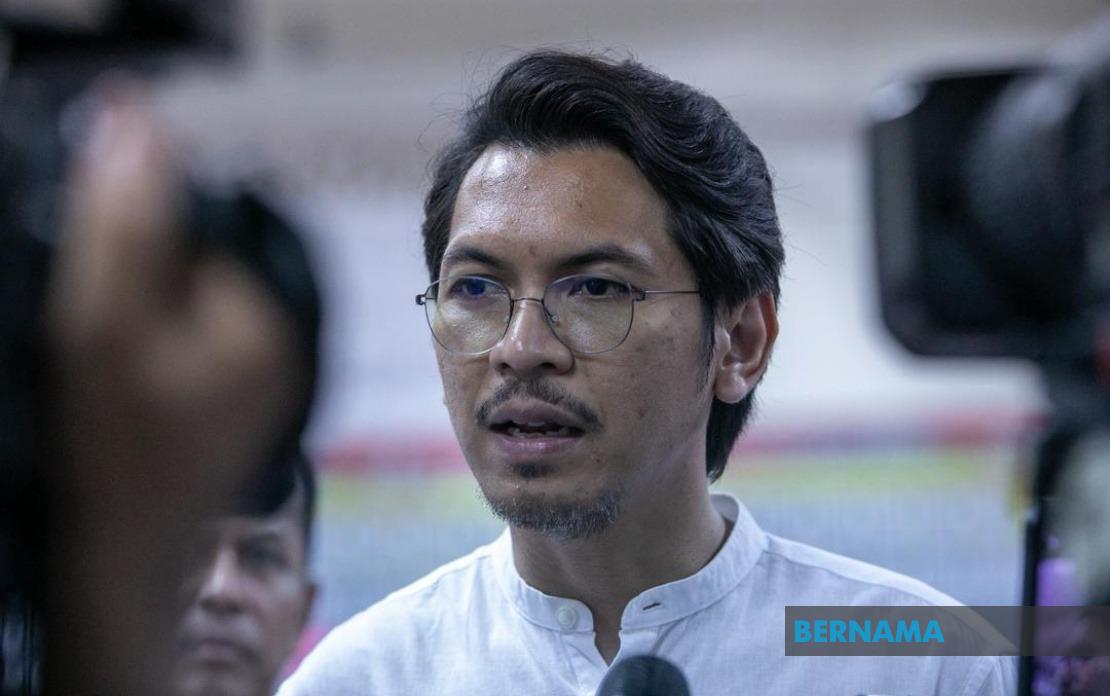
Malaysia's government has welcomed a nascent peace agreement between the United States and Iran, viewing it as a potential pathway to easing pressure on global oil markets that have been strained by geopolitical tensions in the Middle East. Political Secretary to the Minister of Finance Muhammad Kamil Abdul Munim said the memorandum of understanding between Washington and Tehran could eventually translate into lower prices at the pump for Malaysian consumers, though he cautioned that immediate relief should not be expected.
Speaking at a Government Agencies and Perak Citizens Appreciation Ceremony in Kuala Kangsar, Kamil emphasised that while the diplomatic breakthrough holds genuine promise, the full stabilisation of oil prices globally cannot happen overnight. The extended timeframe for recovery reflects a complex reality: the shipping infrastructure and supply chains disrupted by regional tensions will require sustained stability to return to normal functioning. Insurance premiums, freight costs, and logistics expenses that surged during the crisis have become embedded in the price structure and will only gradually recede as confidence in Middle Eastern stability returns.
The Strait of Hormuz, through which roughly one-third of the world's maritime oil trade passes, has been a critical flashpoint in US-Iran tensions. A resolution to this conflict could theoretically unlock significant shipping capacity and reduce the risk premiums that traders have added to crude prices. Reopening commercial corridors for oil tankers and merchant vessels would benefit Malaysia directly, as Southeast Asia's economies depend heavily on affordable energy imports to sustain manufacturing competitiveness and power generation. The regional logistics industry, which has borne substantial additional costs during the crisis, could see operational expenses normalise.
Prime Minister Datuk Seri Anwar Ibrahim struck a more optimistic tone, expressing confidence that the tentative agreement could catalyse broader regional peace and stability. However, the diplomatic process remains fragile: the two nations have been given a maximum 60-day window to finalise binding terms. This tight deadline introduces uncertainty into the outlook, as failed negotiations could reignite tensions and further undermine confidence in Middle Eastern markets.
Meanwhile, Malaysia has been proactive in shielding its population from energy price volatility. The government has maintained the subsidised price of RON95 petrol at RM1.99 per litre, a move that distinguishes Malaysia from many other nations that have allowed fuel prices to fluctuate more freely with global markets. This policy commitment reflects the administration's recognition that transportation and energy costs permeate the entire economy, affecting everything from food prices to manufacturing competitiveness. By absorbing some of the burden, the state apparatus has cushioned citizens and businesses from the worst effects of external shocks.
Kamil indicated that the government intends to conduct a rolling evaluation of inflation pressures over the next four to six months, the anticipated period during which international oil markets remain in transition. The Economic Action Council will monitor conditions and determine whether additional support measures become necessary. This signals a willingness to adjust fiscal policy if global circumstances deteriorate or stability fails to materialise, though the costs of extended subsidisation could strain government finances.
The government has also implemented targeted petrol subsidy assistance through the BUDI MADANI RON95 (BUDI95) initiative, which currently provides eligible drivers with a quota of 200 litres monthly at discounted rates. Kamil noted that this programme will be reassessed in light of evolving global oil markets, with decisions on quota increases or reductions to follow market developments. This tiered approach—maintaining broad RON95 subsidies while calibrating targeted assistance—represents an attempt to balance fiscal sustainability with consumer protection.
Beyond immediate energy concerns, the geopolitical recalibration appears to be informing Malaysia's broader strategic positioning. Anwar's recent official visit to Russia is being framed as part of a deliberate diversification strategy aimed at reducing reliance on any single energy partner. Malaysia, as a small trading nation navigating great-power competition, recognises the necessity of cultivating multiple relationships. Russia possesses substantial oil and energy resources, making it a logical partner for Malaysia's long-term energy security architecture. Bilateral engagement in trade, diplomacy, and energy cooperation reflects Malaysia's pragmatic approach to hedging against supply disruptions from any one source.
This multi-pronged strategy—welcoming US-Iran de-escalation while simultaneously deepening ties with Russia—underscores Malaysia's positioning as a non-aligned nation seeking to benefit from engagement with diverse stakeholders. The country's geographic position in Southeast Asia, combined with its status as an energy-importing nation with significant refining and petrochemical industries, makes it acutely sensitive to global hydrocarbon price movements. Stability in the Middle East directly influences Malaysia's manufacturing costs, export competitiveness, and domestic inflation.
For regional observers, the apparent thaw in US-Iran relations carries implications extending beyond energy prices. A more stable Middle East could reduce defence spending pressures across Asia-Pacific nations, redirect capital toward development priorities, and ease insurance and shipping costs that currently reflect geopolitical risk. However, the agreement remains tentative, and its ultimate durability hinges on successful finalisation within the 60-day negotiation window. Until binding terms are signed and implemented, markets will likely remain cautious, and governments such as Malaysia's will maintain protective measures to shield their populations from volatility.

