A United States federal court has cleared the way for one of the most significant copyright settlements in legal history, approving compensation for thousands of authors and publishers whose works were allegedly misused in the development of artificial intelligence systems. District Judge Araceli Martínez-Olguín issued the ruling on July 20, determining that the settlement framework delivers substantive justice to the affected creators, marking a pivotal moment in the collision between Silicon Valley's AI ambitions and the publishing world's intellectual property rights.
The settlement encompasses more than 482,000 books that were utilised without authorisation in training Anthropic's Claude chatbot. The sheer scale of the agreement underscores how comprehensively AI companies have drawn from the vast repository of published literature to build their language models, a practice that has sparked widespread concern among authors, agents, and publishing houses globally. The participation rate demonstrates the severity of the grievance: over 91 percent of affected authors and publishers have already filed claims to receive their share of the compensation fund, suggesting that the overwhelming majority view their creative work as having been wrongfully appropriated.
Attorney Justin Nelson, representing the author plaintiffs, characterised the outcome as historic in scope. He asserted that this settlement surpasses any previous copyright recovery action in American legal annals, emphasising that the legal system has finally recognised the magnitude of the violation. The statement signals optimism about rapid distribution of funds to claimants, though the precise timeline and individual payouts remain to be determined as the settlement administrator processes the voluminous claims.
The path to this approval began with an initial green light from US District Judge William Alsup in San Francisco federal court in September of the previous year. Alsup, who has since stepped down from the bench, had delivered a nuanced judgment that tilted the legal landscape in unexpected directions. While he determined that using copyrighted material to train AI systems could constitute fair use under American copyright doctrine—a potential victory for the technology sector—he simultaneously found that Anthropic had engaged in wrongful acquisition of millions of books through piracy websites, establishing clear liability for the company's methods even if the ultimate purpose might have been permissible.
Anthropric's position reflects the tension inherent in this litigation. The company's deputy general counsel, Aparna Sridhar, seized upon Judge Alsup's fair-use finding as vindication of the broader principle that training artificial intelligence on published books aligns with established copyright law principles. By emphasising this aspect of the ruling, Anthropic appears to be positioning the settlement less as an admission of wrongdoing and more as a business cost incurred while pursuing a legitimate technological endeavour. The company's statement noted satisfaction that over 91 percent of claimants have registered their interests, suggesting they view the high participation rate as bolstering the settlement's credibility and finality.
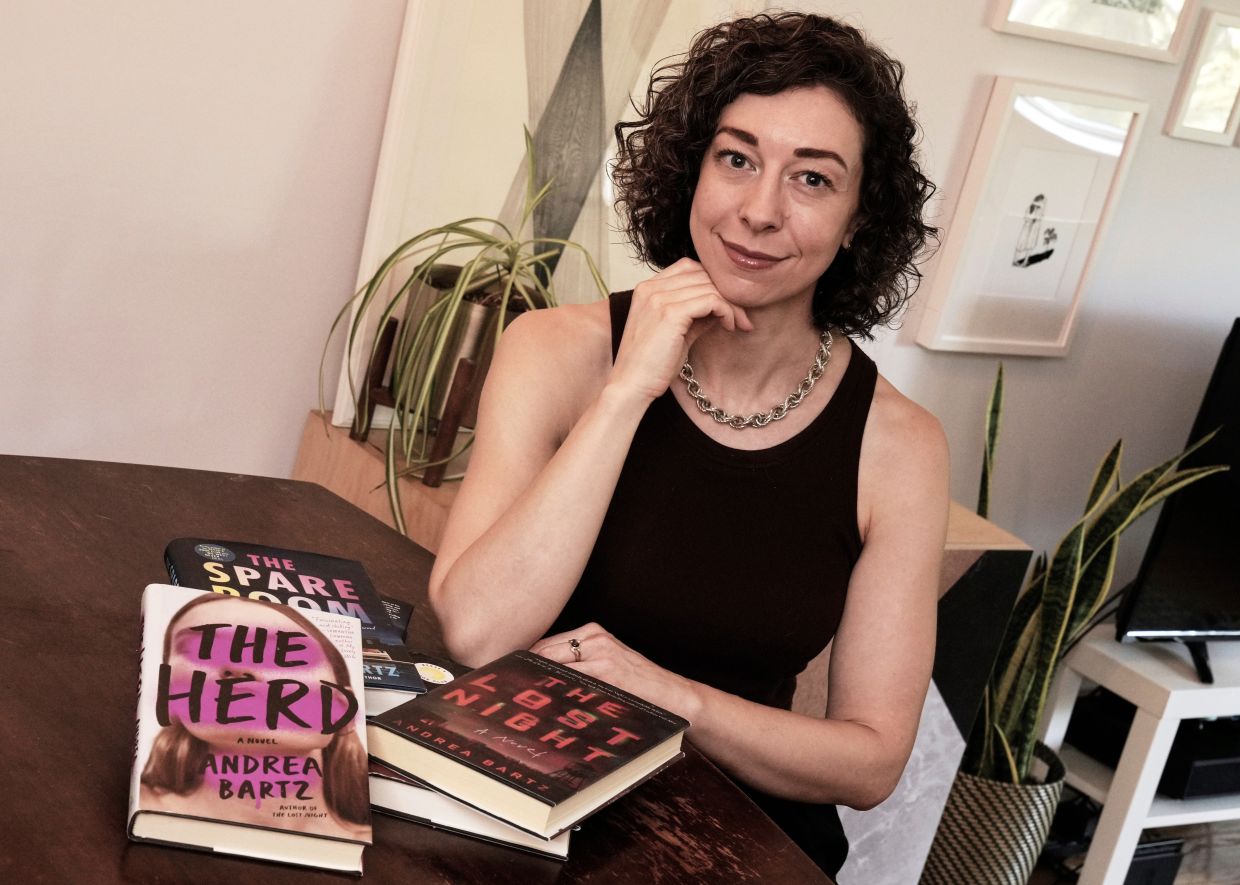
The case originated in 2024 when bestselling thriller novelist Andrea Bartz, joined by two other authors, initiated the class-action lawsuit against Anthropic. Bartz and her co-plaintiffs represent the creative community's growing alarm at how technology companies have leveraged vast swathes of copyrighted content without compensation or consent. This lawsuit was the first to achieve a major settlement victory among dozens of similar copyright actions currently winding through the American court system, setting a precedent that will influence how subsequent cases are resolved and potentially reshaping how AI companies approach content sourcing.
For Malaysia and the Southeast Asian region, this settlement carries significant implications. As the artificial intelligence industry expands across Asia, questions about intellectual property protection and fair compensation for creators will become increasingly urgent. Malaysian authors, publishers, and creative industries could face similar challenges as their works become inputs for training data without explicit permission or financial reward. The US settlement establishes a legal framework and precedent that suggests courts in other jurisdictions may follow comparable paths when evaluating AI training practices.
The broader context matters considerably here. The publishing industry worldwide has expressed alarm that AI companies are fundamentally restructuring their business models by harvesting copyrighted works at scale. This dispute represents not merely a legal disagreement about fair use but a fundamental question about whether technology companies should be permitted to extract value from creators' labour without compensation. The settlement, while substantial, may nonetheless prove insufficient to fully deter similar practices if the cost of settlement remains lower than the competitive advantages gained through training on massive copyrighted datasets.
Looking forward, the settlement's approval does not conclude the AI copyright question but rather opens a new chapter. The 91-percent participation rate suggests that creators view this recovery as meaningful, though individual payouts across 482,000 claimants will necessarily be modest when calculated proportionally. The legal precedent, however, is robust: courts have now established that even if fair use permits training on copyrighted material, companies cannot acquire those materials through unlawful means and may face substantial financial consequences for doing so.
The implications for how Anthropic and other AI companies source training data remain to be seen. Some observers argue this settlement may encourage stricter compliance with copyright law but may not significantly alter the fundamental economics of AI development. Others contend that mounting legal costs and settlements will gradually force technology companies to either license content explicitly or develop alternative approaches to building language models. For creators worldwide, including those in Malaysia's publishing and entertainment sectors, the ruling provides both vindication and caution: vindication that courts recognise the value of creative work, and caution that defending intellectual property in the AI age will require sustained legal vigilance and collective action.

