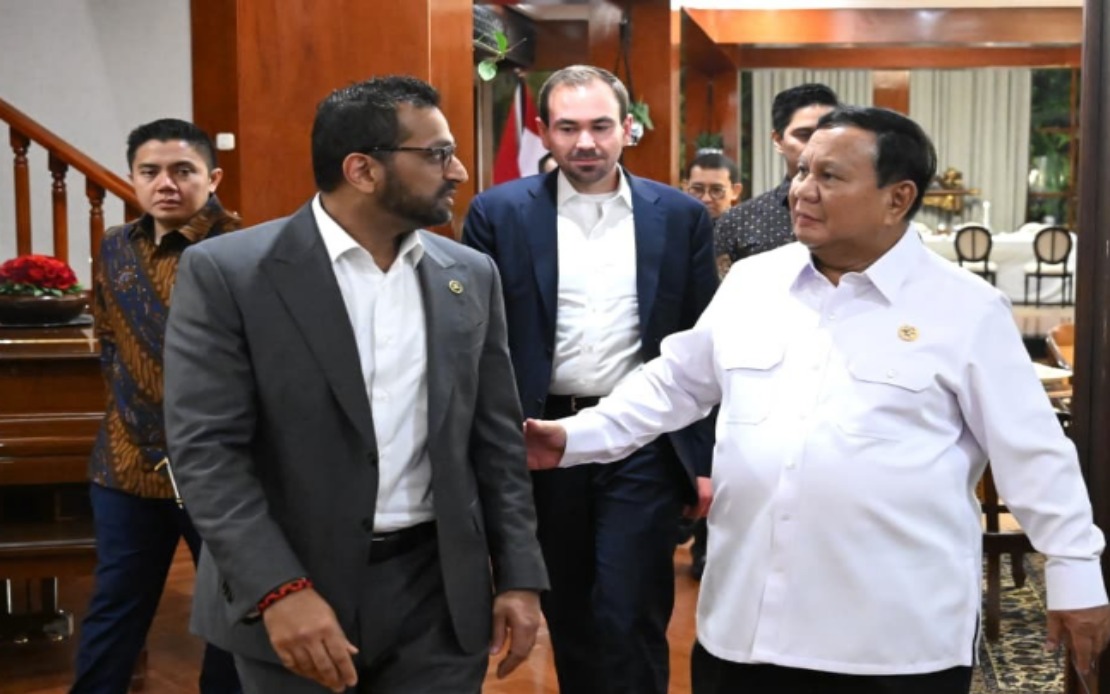
Indonesia has secured the return of multiple cultural artefacts that were illegally trafficked to the United States, marking a significant diplomatic achievement in the nation's broader campaign to recover looted heritage. The handover took place when FBI Director Kash Patel visited Jakarta on Wednesday, personally delivering the recovered objects to President Prabowo Subianto during a formal courtesy call at Kertanegara. The transaction underscores the growing momentum of repatriation efforts between Jakarta and Washington, with Indonesian officials viewing the recovery as both a symbolic and substantive victory in the fight against cultural trafficking.
Culture Minister Fadli Zon framed the repatriation as a milestone in restoring Indonesia's cultural sovereignty, emphasising that the artefacts represent irreplaceable elements of the nation's heritage. The returned items originated from Papua and comprise objects significant to the Dani and Asmat communities, as well as populations surrounding Lake Sentani. These communities' cultural traditions, documented through their ceremonial objects and artistic works, provide anthropological insight into the diverse indigenous societies that have inhabited the Indonesian archipelago for centuries. The recovery of such pieces carries particular weight for Indonesia, where concerns about cultural erasure and the diaspora of national treasures remain acute.
The investigation process that preceded the repatriation involved rigorous provenance research undertaken jointly by Indonesian authorities and the FBI. This scholarly and investigative work established conclusively that the artefacts had been smuggled out of Indonesia unlawfully, violating both Indonesian law and international conventions governing cultural property. The methodology applied in these cases—tracing the ownership history and circumstances surrounding each object—has become essential in an era when the international art market operates with insufficient transparency. By documenting how these pieces entered American collections, investigators have strengthened Indonesia's legal standing to claim other disputed objects currently held abroad.
Fadli emphasised that this cooperation represents merely the beginning of what Jakarta hopes will be a sustained and expanding partnership. The Culture Minister signalled the involvement of the State Secretariat and the Ministry of Foreign Affairs, indicating that repatriation has become a whole-of-government priority rather than a merely cultural concern. This institutional broadening reflects recognition that cultural heritage recovery intersects with diplomacy, law enforcement, and national identity. The coordination across multiple agencies demonstrates Indonesia's strategic approach to systematically identifying and recovering artefacts held in foreign institutions and private collections.
The FBI's track record in assisting Indonesia extends beyond this latest transaction. The agency has previously collaborated with Indonesian authorities to recover stolen cultural objects, including bronze statues and items from significant archaeological and cultural sites. These prior successes have established a working relationship and mutual understanding between American law enforcement and Indonesian cultural institutions, reducing bureaucratic obstacles and accelerating the recovery process. The pattern of cooperation suggests both nations recognise the legitimacy of repatriation claims and the importance of disrupting the market for looted artefacts.
Indonesia's experience mirrors a broader Southeast Asian challenge. Nations throughout the region have seen irreplaceable cultural property disappear into Western museums and private collections, often through colonial-era acquisitions or subsequent illegal trafficking. Thailand, Cambodia, and Vietnam have undertaken similar repatriation campaigns with varying degrees of success. Indonesia's initiative therefore carries implications beyond Jakarta's borders, potentially establishing precedents and methodologies that other nations might emulate. The success of US-Indonesia cooperation could encourage similar arrangements between other Southeast Asian countries and Western law enforcement agencies.
The decision to display returned artefacts at the National Museum in Jakarta ensures public access and educational value. Rather than consigning recovered objects to secure storage, Indonesia's approach prioritises their role in civic understanding and cultural appreciation. Visitors to the museum will encounter material evidence of Indonesia's indigenous heritage, fostering connection between contemporary Indonesians and their ancestral traditions. This public-facing strategy simultaneously serves diplomatic purposes, demonstrating to international audiences Indonesia's commitment to preserving and honouring its cultural legacy.
The repatriation effort also addresses practical concerns regarding the condition and authenticity of objects held in foreign institutions. Western museums and collectors sometimes fail to maintain appropriate conservation standards, and the provenance chain can become obscured through multiple transactions. By bringing these objects home, Indonesia assumes responsibility for their proper preservation according to standards aligned with their cultural significance and the communities from which they originated. Indigenous custodians may possess traditional knowledge regarding appropriate handling and display that Western institutions lack.
For the FBI specifically, these repatriation efforts align with the agency's growing emphasis on combating cultural property trafficking. The international art and antiquities market generates billions annually, with significant portions linked to illicit acquisition. American law enforcement has increasingly recognised that organised trafficking in cultural objects often intersects with money laundering and proceeds of crime. By pursuing cases like Indonesia's repatriated artefacts, the FBI disrupts networks that facilitate broader criminal activity while simultaneously upholding international cultural heritage conventions.
Looking forward, Jakarta's optimism regarding expanded cooperation rests on continued engagement at multiple levels. Law enforcement cooperation provides the tactical foundation, but diplomatic and cultural exchanges reinforce the relationship. Regular dialogue between museum officials, archaeologists, and government representatives helps identify additional objects worthy of repatriation efforts. International legal frameworks, including UNESCO conventions on cultural property, provide the normative foundation supporting these efforts.
Indonesia's repatriation campaign ultimately reflects a fundamental principle gaining acceptance globally: that cultural heritage belongs in the nations where it originated and in communities where it holds living significance. The FBI's cooperation demonstrates that American institutions increasingly acknowledge this principle, moving beyond assumptions that Western museums serve as universal custodians of humanity's cultural patrimony. For Southeast Asian nations like Indonesia, these successes represent not merely the recovery of objects but the assertion of cultural autonomy and historical integrity in an era when many are reclaiming agency over their own narratives and heritage.

