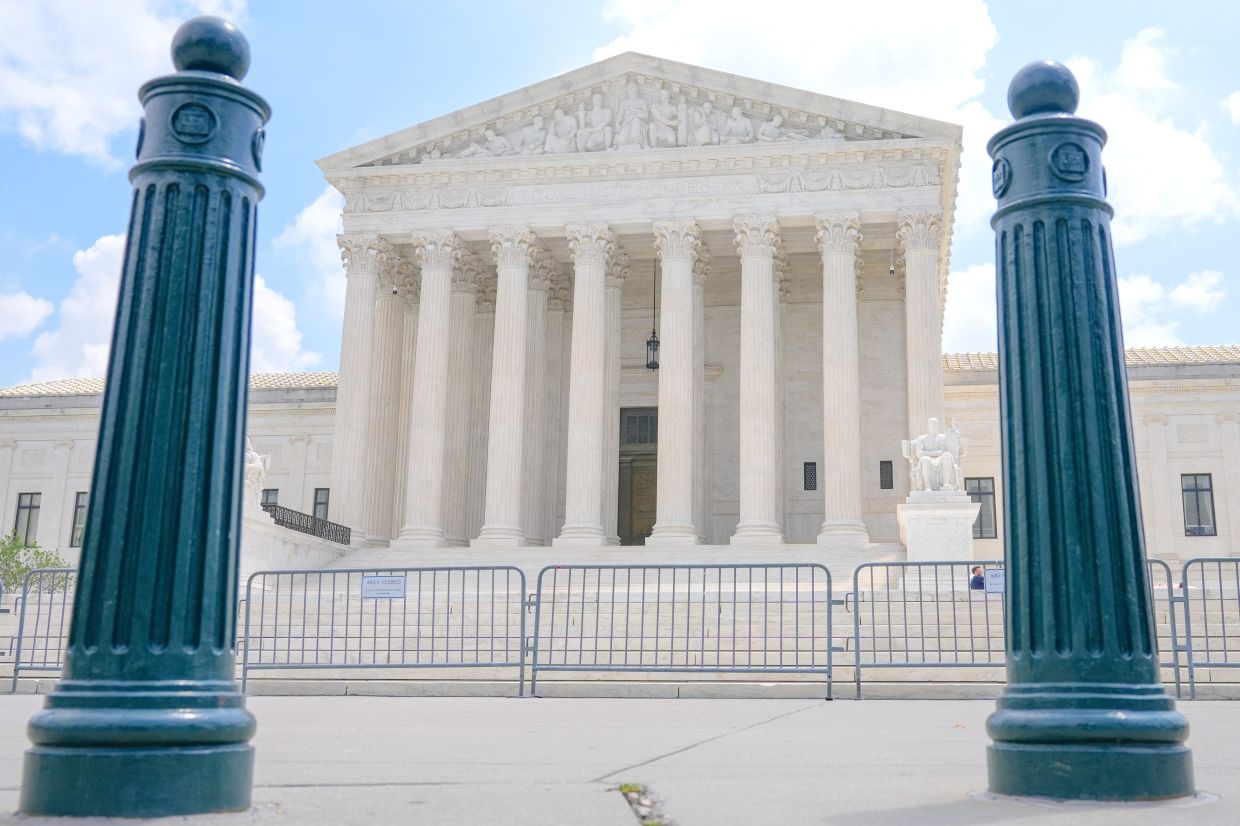
The United States Supreme Court has moved forward with implementation of Texas's App Store Accountability Act by rejecting emergency appeals against the legislation. Justice Samuel Alito issued brief orders denying petitions from organisations challenging the law's constitutionality, clearing the way for enforcement of a measure that has sparked a significant clash between child protection advocates and digital rights defenders.
The Texas law requires digital platforms to verify users' ages before permitting downloads of applications, a requirement that supporters argue protects minors from harmful content and data exploitation. Texas Attorney General Ken Paxton's office contends the legislation addresses genuine dangers facing children in the digital ecosystem, where young users can access applications containing age-inappropriate material or agreements that compromise their privacy without parental oversight or knowledge.
Opposition to the law has been substantial and well-organised. The Computer & Communications Industry Association and Students Engaged in Advancing Texas have mounted legal challenges, arguing the statute unconstitutionally restricts access to protected speech, including news outlets and educational resources. Their legal teams emphasise that the measure interferes with parents' fundamental rights to make independent decisions about their children's online activity, rather than allowing government to dictate parental supervision standards.
A three-judge panel from the 5th US Circuit Court of Appeals delivered the decisive ruling in June, determining the law could proceed despite earlier objections. This decision effectively overturned a district court's December ruling that had deemed the legislation unconstitutional. The appellate panel's support for the law represented a significant legal victory for Paxton's administration, which has championed the measure as essential protection for vulnerable young users navigating an increasingly complex digital landscape.
The constitutional tension at the heart of this dispute reflects broader disagreements shaping technology regulation across the United States. Plaintiffs' advocates argue that age-verification requirements function as effective barriers to lawful content, undermining First Amendment protections that apply even to minors. Their position suggests that blanket restrictions impermissibly prevent access to materials adults have a constitutional right to view, and that such limitations capture protected speech alongside genuinely harmful content.
Conversely, the state's position emphasises parental authority and child welfare. Paxton's legal team characterises modern applications as "dangerous products" capable of exposing children to invasive data collection, privacy violations, and inappropriate material without meaningful parental intervention. This framing shifts focus from speech restrictions to consumer protection, positioning age verification as a reasonable safeguard comparable to other restrictions on minors' access to harmful products.
The Supreme Court's decision to refuse the emergency appeal without extensive written reasoning suggests the justices saw insufficient grounds to overturn the lower courts' determinations at this procedural stage. The two one-sentence orders indicate the Court declined to engage substantively with the constitutional arguments, allowing the Texas law to move toward enforcement while the underlying legal questions remain incompletely resolved.
For Malaysian and Southeast Asian readers, this development carries significance beyond Texas politics. Digital regulation increasingly concerns governments throughout Asia, where rapid smartphone adoption and app usage among young populations have prompted policymakers to consider age-verification requirements and content restrictions. The Texas case establishes important American precedent for balancing child protection against digital access rights, arguments that are echoing across multiple jurisdictions as tech companies and governments negotiate appropriate boundaries.
The law's implementation will likely generate extensive compliance costs for app developers and platforms, particularly smaller companies lacking sophisticated age-verification infrastructure. This could reshape the app market, potentially disadvantaging independent developers while strengthening established technology giants capable of implementing robust verification systems. Such market consolidation effects will warrant close observation as the Texas experiment unfolds.
Educators and digital rights organisations have expressed concern that age-verification requirements may inadvertently exclude young people from educational applications, news sources, and learning platforms that collectively constitute invaluable educational infrastructure. These collateral effects remain difficult to quantify but potentially significant for students' access to legitimate online resources.
The path forward remains uncertain despite the Supreme Court's refusal to intervene. The underlying constitutional questions about whether such laws impermissibly restrict protected speech will likely require fuller judicial examination through the appellate process. How courts ultimately balance child protection against free speech principles could establish templates that influence digital regulation far beyond Texas and across the American technology sector.
Meanwhile, technology companies and digital rights advocates are preparing for prolonged litigation, understanding that this skirmish represents merely an early phase in what promises to be sustained legal and political conflict over how democracies should regulate digital platforms' relationship with young users.

