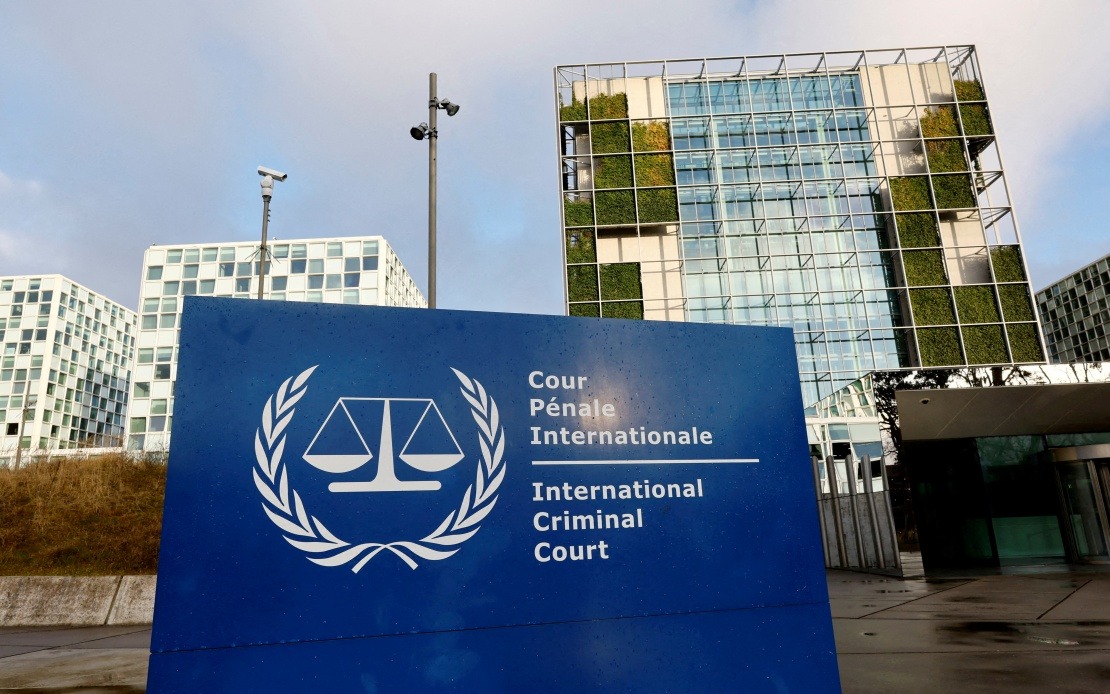
Venezuela has taken the significant step of notifying the United Nations that it will leave the International Criminal Court, marking a dramatic escalation in tensions between Caracas and the international judicial system. Foreign Minister Felix Plasencia announced the decision on Friday, acting on the orders of acting President Delcy Rodriguez, describing the move as a firm and irreversible commitment to distance the country from what the government views as a biased institution.
The Venezuelan government's objection centres on what it characterises as a deeply inequitable pattern in the ICC's operations. Officials argue that the court's investigative focus has disproportionately targeted nations from Africa and Latin America, while largely neglecting alleged violations in wealthier, more developed regions. This geographical skew, according to Plasencia's statement, reflects a broader failure of the international justice system to apply standards uniformly across all nations regardless of their economic or political standing.
Venezuela's departure underscores longstanding criticisms from the Global South regarding the architecture of international institutions. Many developing nations have argued that global governance structures, including the ICC, perpetuate colonial-era power imbalances by subjecting weaker states to intensive scrutiny while powerful nations enjoy relative immunity. The Caracas government views its exit as a principled stand against what it perceives as weaponised international law deployed to undermine self-determination and national sovereignty.
The timing of the withdrawal carries particular significance given the ICC's ongoing investigation into Venezuela's government for crimes against humanity. The investigation reportedly examines alleged serious violations committed under the administration of Nicolas Maduro, who was ousted following disputed elections. Caracas categorically rejects these allegations, maintaining that accusations represent a coordinated international campaign designed to delegitimise Venezuela's government rather than legitimate judicial inquiry.
For Southeast Asian observers, Venezuela's action carries cautionary implications regarding how international institutions interact with nations facing geopolitical pressure. The pattern Venezuela identifies—selective prosecution of developing nations—resonates with concerns occasionally raised in the region about accountability mechanisms. Countries like Malaysia have witnessed international attention to domestic affairs and may view Venezuela's criticism as validation of broader anxieties about unequal application of international standards.
Venezuela's departure represents a calculated geopolitical manoeuvre with complex ramifications. By withdrawing proactively, the government removes itself from the ICC's jurisdiction, theoretically limiting the court's ability to prosecute Venezuelan officials. However, the move also signals defiance toward Western-aligned international institutions and appeals to anti-colonial sentiment within Latin America and beyond. The decision strengthens Venezuela's positioning among nations skeptical of existing global governance arrangements.
The withdrawal follows a pattern observed elsewhere in the developing world, where countries have grown increasingly critical of their roles within international frameworks established during post-war periods when power distributions differed substantially. These institutions, critics argue, have perpetuated structural disadvantages rather than evolving to reflect contemporary global realities and the legitimate interests of non-Western nations.
Venezuela's accusations regarding geographical bias carry substantial weight when examined empirically. The ICC has indeed concentrated significant resources on African nations, investigating situations in countries including Uganda, Democratic Republic of Congo, and Sudan. Critics note that wealthy Western nations, despite engaged in military interventions and operations internationally, rarely face ICC investigations with comparable intensity. This imbalance fuels perceptions that international justice operates as a mechanism for powerful states to monitor weaker ones rather than a truly universal system.
The move simultaneously reflects Venezuela's internal political situation and its broader ideological orientation. The government, which frames itself as defending national independence against imperialist interference, uses withdrawal as a means of consolidating support among anti-Western constituencies. Domestically, the decision provides the government with rhetorical ammunition against external opponents while consolidating control over the narrative surrounding international investigations.
For the broader international system, Venezuela's withdrawal adds to mounting pressures on the ICC's legitimacy. The court has faced criticism from multiple continents regarding its effectiveness and neutrality. African nations have similarly questioned the institution's focus and have at times threatened or discussed withdrawal. These accumulating challenges suggest the ICC confronts a credibility crisis that institutional reforms may struggle to resolve.
Southeast Asia maintains relatively limited engagement with ICC processes compared to other regions, yet Venezuelan developments merit attention as precedents. Nations throughout the region may observe whether Venezuelan withdrawal insulates the government from prosecution or merely represents symbolic defiance. The broader question concerns whether international institutions can maintain authority when substantial portions of the global community question their impartiality and utility.
The episode illustrates ongoing tensions between sovereignty and international accountability. Venezuela asserts that national governments should retain supreme authority over justice matters affecting their citizens, resisting external institutional oversight. This perspective directly challenges prevailing liberal internationalist assumptions that transcend national boundaries to enforce universal standards. The debate remains unresolved globally, with different regions holding divergent views on whether international courts strengthen or undermine legitimate governance.
Moving forward, Venezuela's withdrawal may catalyse further institutional fragmentation, with other nations potentially following suit if they perceive comparable bias. The international community faces mounting pressure to address legitimate concerns about fairness and representation within its institutions, or risk declining participation from an increasingly skeptical Global South. Venezuela's departure serves as both symptom and warning regarding the sustainability of existing international governance structures absent fundamental reforms addressing power imbalances.

