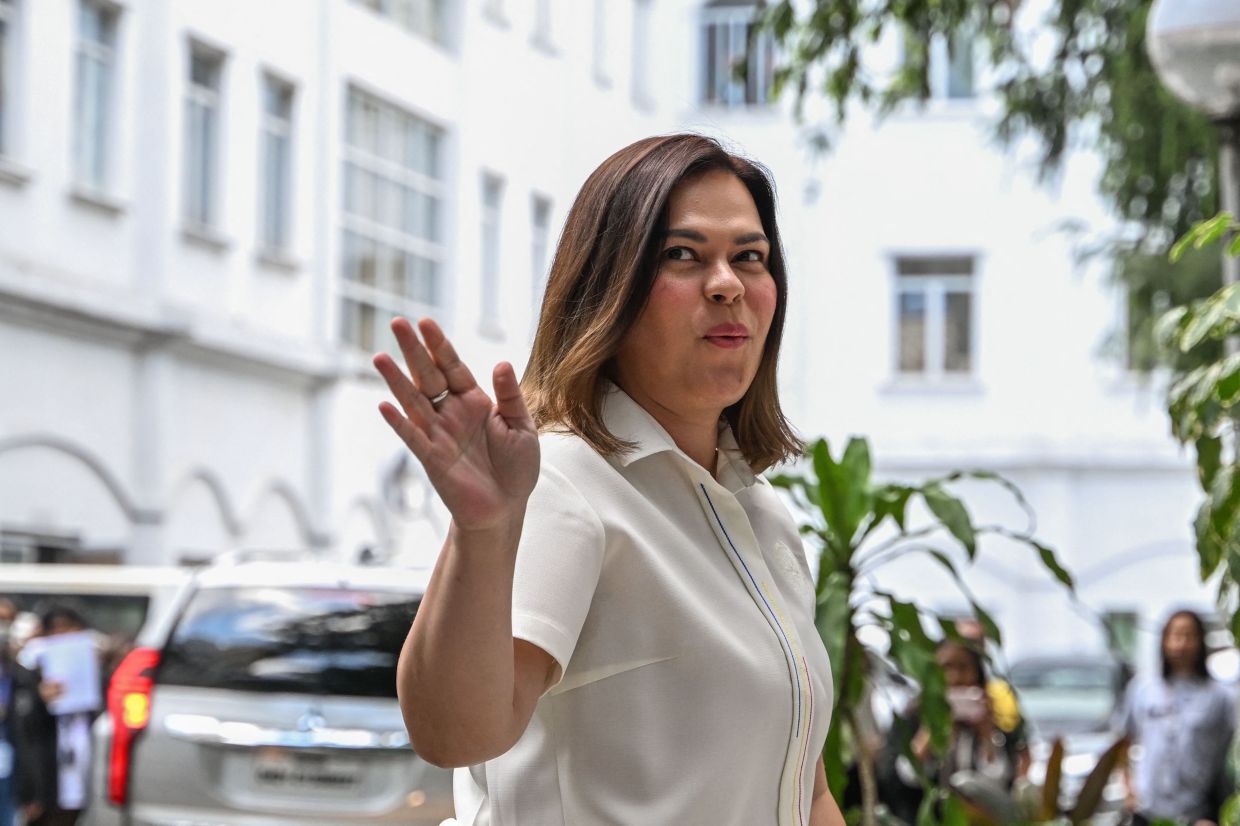
Vice President Sara Duterte remains outside the Philippines on an officially sanctioned foreign journey, according to confirmation from Malacanang on Tuesday, even as proceedings against her in an impeachment trial advance at home. Palace spokesperson Claire Castro disclosed that President Ferdinand Marcos Jr authorised Duterte's overseas visit through the Office of the Executive Secretary, permitting her absence from the country between July 16 and 31. The approved itinerary spans multiple nations across Europe and the Middle East, including stops in Qatar, Germany, the United Kingdom, Northern Ireland, and the Netherlands, where the Vice President is currently stationed.
The timing of Duterte's departure during her impeachment proceedings has drawn attention in Philippine political circles, where the constitutional process continues without her physical presence. Her legal team, represented by defence spokesperson lawyer Michael Poa, confirmed her whereabouts during a press conference preceding Tuesday's trial session. Poa indicated that Duterte remains in The Hague, though he suggested an imminent return, stating that she would be "back soon."
Duterte's current location in the Dutch capital represents more than a casual tourist destination. The Hague serves as the seat of significant international judicial institutions, including the International Criminal Court, where her father, former President Rodrigo Duterte, has been held since March of last year. The younger Duterte's presence in the same city as her father's ICC detention raises contextual questions about the nature of her European visit, though officials characterise it as a "personal trip."
Former President Rodrigo Duterte's presence at The Hague stems from his arrest by Philippine authorities in March 2025, executed following an International Criminal Court warrant. He awaits trial proceedings scheduled for November 30 on charges of crimes against humanity. The ICC investigation centres on allegations that Duterte bore responsibility as an indirect co-perpetrator in extrajudicial killings that occurred throughout the Philippines during large-scale anti-drug and anti-crime operations spanning 2011 to 2019. These campaigns intensified during his tenure as Davao City mayor and continued throughout his six-year presidency until 2022.
The approval of Duterte's foreign travel by President Marcos Jr introduces an intriguing political dimension, given the complex relationship between their administrations. Marcos and Duterte represent distinct political factions within the Philippine leadership structure. The decision to permit her departure while impeachment proceedings unfold suggests either a pragmatic accommodation or a deliberate political calculation regarding how to handle the constitutional process without her attendance.
For Malaysian and Southeast Asian observers, the developments surrounding Philippine leadership and international accountability mechanisms merit scrutiny. The ICC proceedings against a former regional leader represent a significant moment in international criminal justice, establishing precedents that could affect how other nations in the region address allegations of systematic violence. The concurrent impeachment trial of Duterte in the Philippines demonstrates the complex interplay between domestic constitutional procedures and international legal frameworks.
The Vice President's impeachment represents the culmination of rising political tensions within the Philippine government. Her defence team's participation in trial proceedings continues despite her physical absence abroad, raising procedural questions about the conduct of impeachment trials when the accused remains outside national territory. The constitutional framework governing such proceedings typically permits trials to proceed with legal representatives, though the optics of the defendant's absence during a constitutional process remain politically significant.
Duterte's approval for foreign travel also illuminates questions about executive prerogative in the Philippines, particularly regarding the balance between constitutional checks and presidential discretion. The authorisation process through the Office of the Executive Secretary demonstrates that established protocols exist for permitting high-ranking officials to travel internationally during sensitive political periods. Whether such protocols reflect genuine constitutional necessity or political accommodation becomes relevant to understanding Philippine governance dynamics.
The broader context includes the international attention to Philippine human rights records and governance practices. Former President Duterte's extradition to ICC custody marked a watershed moment, signifying that even sitting or former leaders may face international accountability. This development carries implications for other Southeast Asian nations grappling with similar questions about national sovereignty versus international legal obligations, particularly as regional states encounter international pressure regarding human rights investigations.
Regional analysts observe that the Philippines under current leadership has adopted a markedly different stance toward international justice mechanisms compared to previous administrations. The cooperation that enabled Duterte's arrest and transfer to The Hague contrasts sharply with the previous government's more confrontational relationship with international courts and human rights bodies. This shift reflects broader geopolitical realignments within Southeast Asia and changing attitudes toward transnational accountability frameworks.
The Vice President's absence during her trial proceedings ultimately highlights the complexity of managing simultaneous constitutional and international legal pressures within the Philippine political system. Her European sojourn, though officially designated as personal travel, occurs against the backdrop of her father's ICC detention and her own constitutional jeopardy at home. The coming weeks will prove instructive regarding how Philippine authorities navigate these intersecting legal and political challenges.

