Vietnam's government has introduced sweeping new protections for airline passengers through Decree No. 208, which will fundamentally reshape how carriers must treat delayed, cancelled, or rescheduled flights from the start of next month. The regulation represents a significant tightening of consumer safeguards in the Southeast Asian aviation sector, bringing Vietnamese standards closer to those in developed markets while establishing a framework that other regional governments may eventually emulate.
The decree establishes clear thresholds for what constitutes a delay, defining any departure more than 15 minutes later than scheduled as a delay, while designating delays of four hours or longer as "long delays." This precision matters because it removes ambiguity that passengers and carriers might previously have disputed, establishing objective criteria that both parties can understand and enforce. The focus on specific time periods reflects international best practices, similar to rules in the European Union and other markets where passenger rights have become increasingly codified.
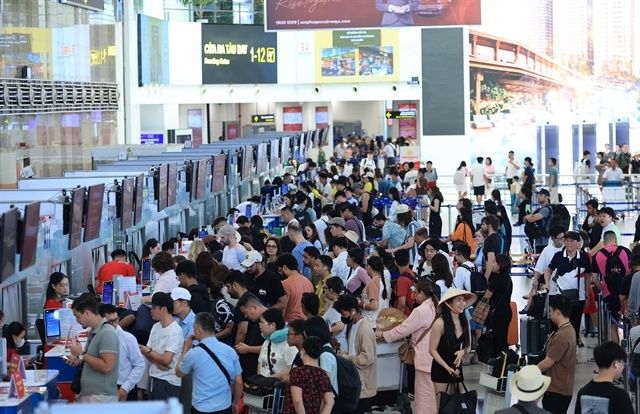
Under the new rules, airlines must take immediate action when delays are foreseeable, obligating them to notify affected passengers, provide an explanation, and commit to updating the estimated departure time. These notifications must appear on airport flight information screens at least every 30 minutes, ensuring passengers receive current information rather than stale announcements. The requirement represents a departure from practices at some Southeast Asian airports where information updates have been sporadic, placing the responsibility squarely on carriers to maintain transparent communication.
Compensation for delays of two hours or more includes provisions for drinking water or vouchers of equivalent value, a basic but important safeguard during extended waits. More significantly, when delays result from the airline's own fault, carriers must rebook passengers on alternative flights or routes without charging additional fees or applying change restrictions. This removes financial penalties that passengers might otherwise face when dealing with disruptions entirely outside their control, a protection that directly benefits business and leisure travellers alike.
The decree distinguishes between different delay windows based on when disruptions occur. For delays happening between 7am and 10pm, airlines must arrange suitable rest facilities according to airport conditions, while overnight delays between 10pm and 7am trigger obligations for sleeping accommodations or alternative solutions acceptable to passengers. These nuanced provisions acknowledge that rest needs differ depending on the time of day, a thoughtful approach that goes beyond simply requiring compensation payments.
Schedule changes receive detailed treatment under the decree, recognizing that carriers sometimes alter departure times before passengers arrive at airports. When airlines advance or delay flights by five hours or more, passengers gain the right to request full refunds, reboking on alternative itineraries, time adjustments, or placement on another flight within 72 hours. Smaller changes of up to four hours earlier or 15 minutes later permit carriers to follow their own policies, balancing operational flexibility with consumer protection for minor adjustments.
Flight cancellations trigger the strongest protections, with the decree requiring immediate notification and an explanation from the carrier. When cancellations result from airline fault, passengers can demand rebooking on suitable alternative flights without restrictions or surcharges, full fare refunds, or reimbursement of unused ticket portions. These options provide meaningful recourse beyond simply rebooking passengers, allowing those whose plans have been disrupted to recover their money or receive alternative arrangements.
The regulation establishes that the Minister of Construction will issue further details on advance compensation amounts, payment procedures and timelines, and carrier reporting obligations regarding delays, cancellations, and denied boarding. This phased implementation approach allows authorities to coordinate with airlines and airports on practical implementation details while the decree's core requirements take immediate effect, reducing the risk of operational chaos while giving the aviation industry time to adjust systems.
For Malaysian and broader Southeast Asian readers, the Vietnamese regulation offers significant implications for regional aviation standards. As the region's second-largest economy by GDP and a major aviation hub, Vietnam's approach will likely influence how other governments consider passenger protection rules. Carriers operating across multiple Southeast Asian countries may face pressure to offer consistent protections even in jurisdictions without formal compensation requirements, effectively raising standards across the region as airlines standardize their practices.
The decree also reflects Vietnam's broader integration into international civil aviation norms, aligning the country more closely with standards found in developed markets. As Southeast Asian aviation markets mature and middle-class passenger numbers grow, governments increasingly recognize that strong consumer protections enhance public confidence in air travel and create a level playing field among carriers. Airlines that invest in operational reliability and customer service now have regulatory backing for standards that responsible operators should maintain anyway.
Implementing these requirements will challenge some Vietnamese carriers operating with tighter margins, particularly regarding accommodation obligations for overnight delays and reboking costs for carrier-caused disruptions. However, the rules incentivize operational excellence and advance planning, encouraging airlines to invest in scheduling reliability rather than accepting delays as routine business costs. This long-term efficiency gain, though requiring upfront investment, should benefit both carriers and passengers through more reliable service.
The timing of the decree's introduction reflects Vietnam's rapid aviation growth and the need to establish consumer protections as the market expands. As more Vietnamese citizens gain discretionary income to travel by air, and as tourism from regional and international visitors increases, clear passenger rights become essential infrastructure for sustainable market development. By implementing these protections now, Vietnam positions itself as a passenger-friendly destination and establishes a regulatory foundation that anticipates rather than reacts to market growth.
The decree's implementation next month marks a watershed moment for Vietnamese aviation, transforming passenger compensation from discretionary airline policy to mandatory legal obligation. This shift empowers travellers while establishing clear expectations for carriers, potentially reducing disputes that currently complicate passenger recovery efforts. As the regulation's effects become apparent in practice, the Vietnamese government and other Southeast Asian authorities will gain valuable data about how passenger protection frameworks function in regional markets.