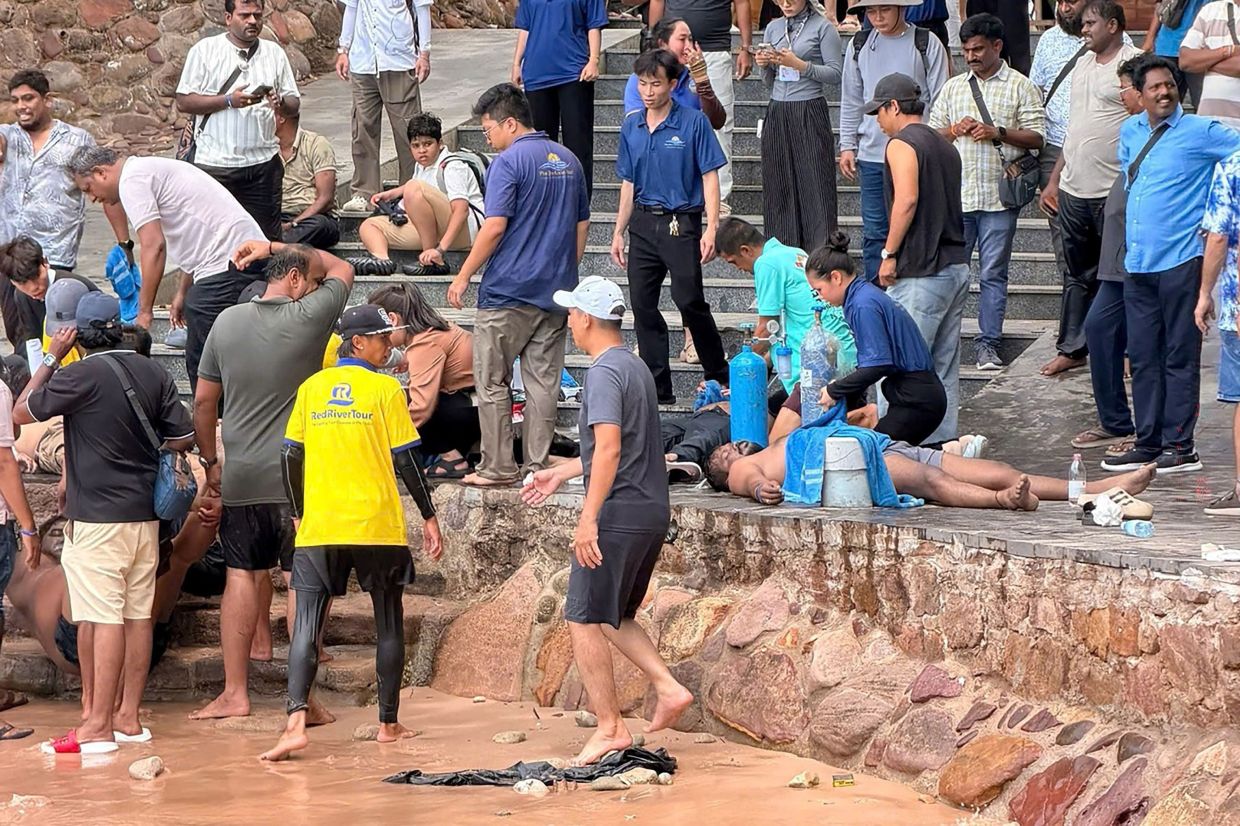
Vietnam's government has mobilized a comprehensive response to a maritime tragedy that claimed the lives of 15 Indian tourists when a speedboat capsized off Phu Quoc Island. Prime Minister Phạm Minh Chính issued an official dispatch on July 11 directing immediate action across multiple agencies to investigate the incident, provide medical assistance to survivors, and prevent similar accidents from occurring in the future.
The ill-fated vessel was operating in waters near Hon May Rut Ngoai within the Phu Quoc Special Zone when it overturned, creating one of the deadliest tourism accidents in the region in recent years. The boat had been transporting 32 Indian tourists alongside four crew members and local guides at the time of the disaster. Twenty-one people were pulled from the water and rescued, but 15 tourists—13 men and two women—perished in the incident, marking a significant loss of life with serious implications for Vietnam's tourism industry and safety reputation.
The Prime Minister's directive represents a multi-layered governmental intervention designed to address both immediate humanitarian needs and longer-term systemic improvements. Officials were instructed to mobilize all available medical resources and medication to treat injured survivors and minimize further casualties. An Giang Province, which administers Phu Quoc Island, was assigned primary responsibility for coordinating rescue operations, assessing the circumstances leading to the capsizing, and identifying any operational failures that contributed to the tragedy.
The Ministry of Public Security received orders to conduct a thorough investigation into the root causes of the accident and to pursue strict legal action against any individuals or organizations whose negligence or violations of maritime regulations may have precipitated the disaster. This investigative mandate extends beyond simple fact-finding to establishing accountability and determining whether existing safety protocols were breached or inadequately enforced. The investigation will likely examine factors including vessel maintenance standards, crew qualifications, weather conditions, passenger safety procedures, and compliance with maritime traffic regulations.
Parallel to the criminal investigation, the Ministry of Construction was tasked with an urgent review and inspection of safety measures governing both inland waterway and maritime traffic operations in the Phu Quoc region and other comparable geographic and operational zones. This broader inspection regime suggests authorities recognize potential systemic deficiencies that may extend beyond this single incident. The tourism sector depends heavily on water-based activities across Southeast Asia, making robust safety standards essential for protecting both international visitors and the credibility of destination countries.
For Malaysian and Southeast Asian readers, the implications are substantial. The region attracts millions of international tourists annually, and incidents like the Phu Quoc capsizing highlight vulnerabilities in maritime safety infrastructure that transcend national borders. Malaysia's own tourism industry, particularly in regions dependent on water activities such as Sabah and Sarawak, operates within similar regulatory environments. The Vietnamese government's response offers a case study in how authorities should mobilize resources when tourism safety is compromised, setting benchmarks that neighbouring countries may adopt or strengthen.
The Ministry of Foreign Affairs was directed to establish close coordination with the Indian Embassy in Vietnam regarding consular assistance, citizen protection, and all matters related to the deceased and injured. The Indian Embassy moved quickly to compile a comprehensive list of the 32 passengers and crew on the vessel—comprising 30 men and two women—and established two contact points in Ho Chi Minh City and Hanoi to support affected nationals and their families. This diplomatic coordination underscores the importance of maintaining strong bilateral relationships when international incidents occur, as seamless information-sharing and assistance mechanisms become crucial.
The timing of the disaster during peak tourism season raises questions about whether increased operational pressures during high-season periods may have compromised safety standards. Water-based tourism activities in Southeast Asia frequently operate at maximum capacity during peak months, potentially creating conditions where safety protocols are deprioritized in favour of revenue maximization. Vietnamese authorities will need to examine whether the speedboat operator was operating within passenger capacity limits, whether weather conditions warranted suspension of services, and whether crew fatigue or insufficient training played contributing roles.
The speedboat capsizing also reflects broader challenges in regulating tourism activities across Southeast Asia, where the desire to promote tourism revenue sometimes conflicts with rigorous safety enforcement. Phu Quoc, Vietnam's largest island and a major tourist destination, has experienced rapid tourism development in recent years. This growth has created economic opportunities but has also necessitated robust oversight mechanisms to ensure that service providers maintain international safety standards while managing high passenger volumes.
For the Indian nationals involved, the incident represents a profound tragedy with lasting diplomatic ramifications. Fifteen families now grieve loved ones lost in a foreign country, and the incident may influence how Indian tourists and travel operators perceive Vietnam's safety record. Vietnam's swift governmental response, while necessary, must translate into concrete systemic improvements that demonstrably prevent future occurrences. The investigation and safety review processes initiated by the Prime Minister will be scrutinized both domestically and internationally for their thoroughness and effectiveness.
The broader context for Southeast Asian tourism safety involves an ongoing tension between facilitating leisure travel and maintaining rigorous safety standards. Speedboat and small vessel operations are particularly vulnerable to safety lapses because they often operate in less-regulated environments than larger maritime vessels. The Phu Quoc incident underscores the necessity for governments across the region to enforce consistent safety standards, conduct regular vessel inspections, mandate crew certifications, and implement weather-responsive operational protocols.
Vietnam's comprehensive response indicates official recognition that the incident threatens both the immediate welfare of affected individuals and the country's international reputation as a safe tourism destination. The multi-agency approach involving public security, construction ministry, and foreign affairs ministry demonstrates integrated crisis management. However, the ultimate test will be whether investigations lead to meaningful reforms, whether non-compliant operators face significant penalties, and whether safety investments in maritime infrastructure and training translate into reduced accident rates in coming years.

