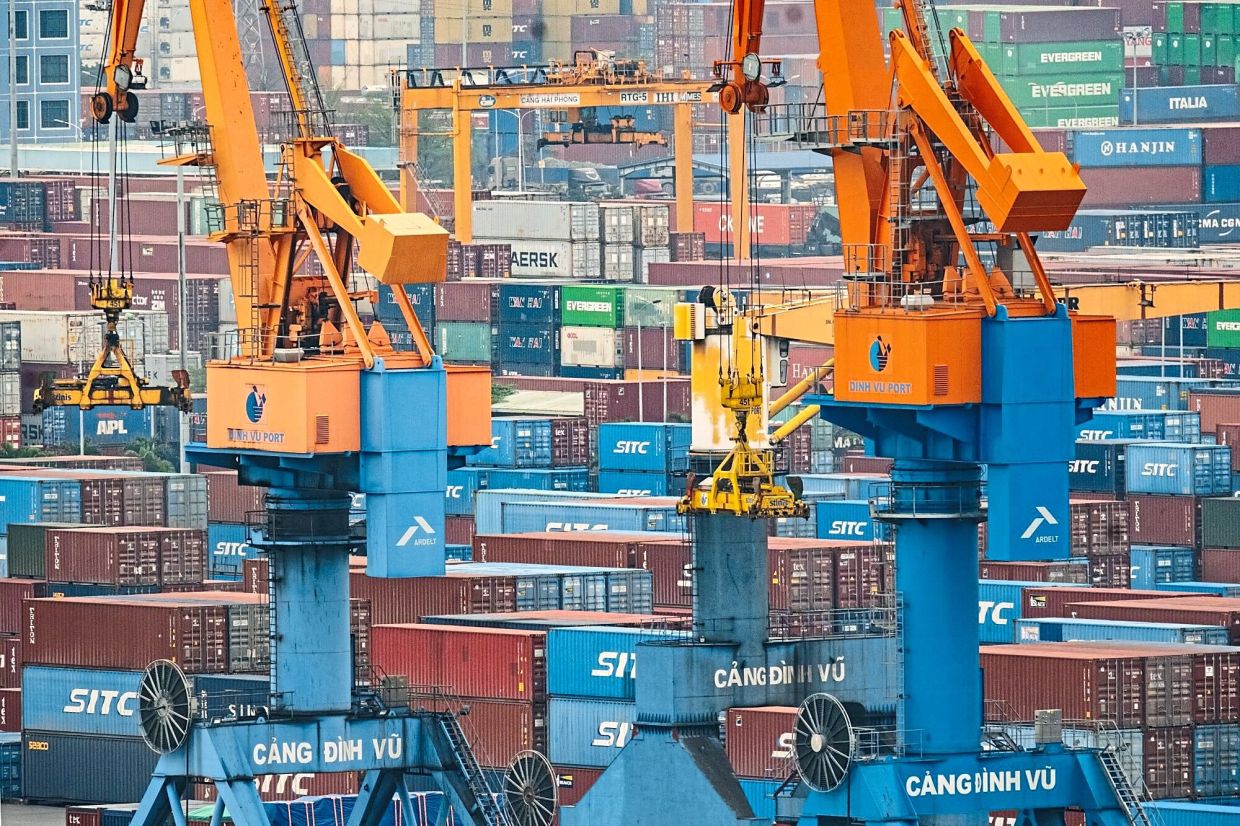
Vietnam's Deputy Prime Minister Nguyen Van Thang travelled to Washington this week to break through a months-long impasse in trade negotiations with the Trump administration, emphasizing Hanoi's commitment to resolving outstanding disputes through open and constructive dialogue. During meetings with US Trade Representative Jamieson Greer, Thang conveyed Vietnam's preparedness to engage seriously on the array of trade grievances that have stalled progress toward a final tariff agreement, nearly eight months after both nations reached a preliminary framework understanding in October.
The South-East Asian country, which has become increasingly central to global supply chains and attracts substantial foreign investment seeking alternatives to China, faces mounting pressure from Washington over trade practices that American officials believe facilitate the movement of Chinese products into US markets. Thang's visit signals that Hanoi recognizes the urgency of the moment and is willing to make concessions on sensitive issues that have proven contentious in previous rounds of discussions, particularly regarding transshipment operations and the flow of goods through Vietnamese ports and borders.
Underlying the negotiations are three separate Section 301 investigations launched by US trade officials targeting Vietnam's intellectual property practices, market access restrictions, and broader trade conduct. These parallel inquiries represent an unusually comprehensive examination of Vietnamese trade behaviour and carry significant consequences, as preliminary findings are scheduled for November and could trigger substantially higher tariffs if Hanoi fails to demonstrate sufficient reform efforts. The US administration has signalled its desire to conclude talks promptly, though success depends on Vietnam implementing meaningful changes to border enforcement and supply chain transparency.
The scale of trade imbalance between the two countries underscores why Washington has intensified scrutiny of Vietnamese practices. During the first half of 2026, Vietnam recorded a US$114 billion trade surplus with America, exceeding deficits with China, Mexico, and Taiwan, making it the single largest source of US trade imbalance. This enormous gap has fuelled American concerns that Vietnamese statistics mask substantial volumes of Chinese goods routed through the nation and re-exported to American consumers, particularly in electronics and other manufactured products that nominally originate from Vietnamese manufacturers.
In April, Greer's office formally designated Vietnam as a "priority foreign country" in a special trade report, citing inadequate efforts to suppress online piracy and counterfeit goods trafficking, alongside insufficient border control measures. This designation places Vietnam in a relatively small group of trading partners subject to heightened US scrutiny and serves as a precursor to potential trade sanctions if progress on reform does not materialize before the November deadline. The designation reflects frustration within the Trump administration over what officials view as systematic gaps in Vietnam's enforcement infrastructure that permit illicit commerce to flourish.
Thang's diplomatic mission extended beyond negotiations with government representatives to include meetings with senior executives from major American technology and industrial companies including Qualcomm Inc., Visa Inc., Axon Enterprise Inc., and Caterpillar Inc. These engagements represent an effort to demonstrate Vietnam's attractiveness as an investment destination and to build support among influential American business interests in favour of resolving trade tensions cooperatively rather than through escalating tariffs. Vietnam's government recognizes that sustained investor confidence requires demonstrable progress toward normalizing trade relations with the United States.
The fundamental challenge confronting both negotiating parties involves calibrating responses to legitimate concerns while maintaining commercially viable frameworks. American manufacturers and retailers have grown heavily dependent on Vietnamese production facilities and supply chains, meaning excessive tariffs would raise consumer prices domestically while potentially disrupting global commerce in sectors ranging from electronics to apparel. Simultaneously, the Trump administration faces domestic political pressure to demonstrate toughness on trade practices perceived as unfair or deceptive, particularly when suspicious transshipment patterns suggest sophisticated efforts to circumvent American tariff regimes.
Vietnam's position is complicated by its own economic structure and geopolitical constraints. The nation functions increasingly as a manufacturing and assembly hub for multinational corporations, many of which source components from China and other Asian suppliers before processing and exporting finished goods to global markets. Stricter border controls and enhanced enforcement mechanisms require substantial infrastructure investment and bureaucratic capacity that Vietnamese authorities are still developing. Moreover, Hanoi must balance American demands against maintaining cooperative relationships with China, which remains a major investor and supply partner despite longstanding territorial disputes.
The reciprocal trade agreement framework that emerged in October provided a foundation for negotiations but left numerous technical details unresolved, including specific tariff schedules, rules of origin determinations, and enforcement mechanisms. The intervening months have produced limited visible progress, contributing to American frustration and prompting the filing of formal investigations. Thang's Washington visit suggests Vietnam intends to accelerate negotiations and demonstrate concrete commitments to reforming the practices most objectionable to US officials, though the extent to which Vietnamese institutions can realistically implement comprehensive changes before November remains uncertain.
For regional observers and other Southeast Asian economies, the Vietnam-US trade standoff carries broader implications for how Trump administration policies will reshape commercial relationships throughout the region. Nations including Thailand, Indonesia, and Malaysia monitor these negotiations closely, recognizing that outcomes here will likely establish precedents and expectations for their own trade discussions with Washington. A successful resolution could normalize regional commercial patterns, whereas a breakdown into escalating tariffs might trigger broader protectionist spirals affecting the entire region's export-dependent manufacturing sectors.

