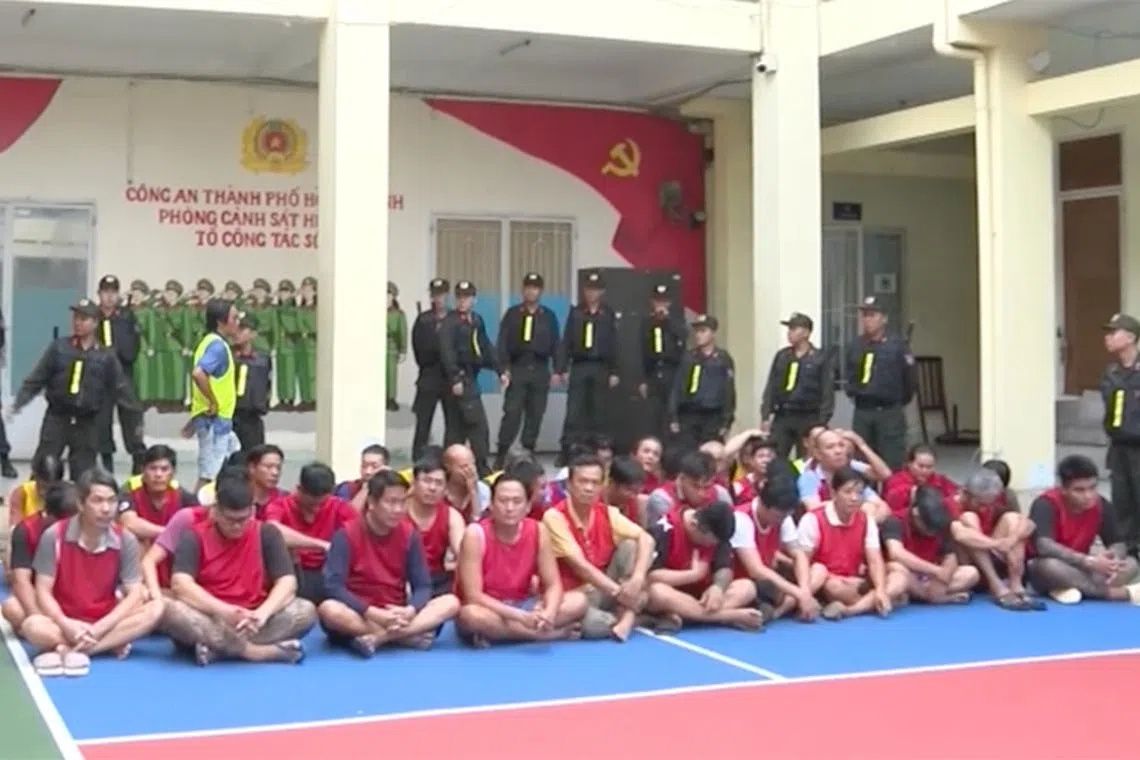
Vietnamese police have delivered a significant blow to organised illegal gambling, announcing the arrest of 85 individuals connected to two sprawling betting syndicates worth a combined US$133 million (approximately RM534 million) that operated in the lead-up to the 2026 FIFA World Cup. The busts, conducted in late June and disclosed publicly on July 7, represent part of an intensified nationwide enforcement campaign targeting underground wagering operations that proliferate during major international sporting tournaments.
The two dismantled rings operated with what Vietnamese authorities described as "exceptionally large-scale" infrastructure, characterised by sophisticated hierarchical structures and tight operational controls. According to a statement from Ho Chi Minh City police, the syndicates had processed an estimated US$133 million in illegal transactions since October 2025 alone, revealing the staggering volume of money flowing through underground gambling networks in Vietnam despite official bans on online wagering.
How these rings functioned underscores the transnational nature of organised gambling in Southeast Asia. Police investigations revealed that ringleaders obtained what they called "master-level betting accounts" from sources based in Cambodia, then subdivided these accounts into dozens of smaller agent and member accounts that were distributed across online platforms to thousands of individual gamblers. This cascading structure created multiple layers of insulation between the top operatives and end users, making enforcement more difficult and allowing organisers to maximise reach while minimising direct exposure.
The timing of these enforcement actions reflects a broader pattern in Vietnam. The government maintains a strict prohibition on all forms of online gambling, viewing it as both a social vice and a source of illicit financial flows. Yet the scale and persistence of underground operations demonstrates how financial incentives and consumer demand persistently overwhelm regulatory efforts. World Cup tournaments, which generate global enthusiasm for sports betting and attract massive wagering volumes, serve as flashpoints where authorities mount their most aggressive crackdowns.
The public security ministry reported even broader enforcement results across the country during the same period. Over the first 20 days of World Cup competition, police dismantled 73 separate gambling operations nationally and arrested 346 suspects involved in illegal wagering and football betting. The total transaction value implicated in these cases ran into the thousands of billions of dong—equivalent to several hundred million US dollars—illustrating how deeply underground gambling networks have penetrated Vietnamese society.
Colonel Bui Tuan Anh of the public security ministry characterised the scale of illegal transactions as staggering, underscoring the challenge authorities face in policing a market where demand appears virtually limitless. The sophistication and capitalisation of these operations suggest that arrests and seizures, while symbolically important, represent merely a fraction of the total underground gambling ecosystem. Organisers typically view periodic enforcement actions as operational costs, not existential threats to their business models.
For regional observers, Vietnam's experience reflects broader Southeast Asian vulnerabilities. The proximity of gambling hubs in Cambodia and other neighbouring jurisdictions, combined with porous digital borders and the anonymity afforded by online transactions, creates structural advantages for illegal operators. Cross-border coordination among syndicates further complicates enforcement, as the supply chains for betting accounts demonstrate.
The 2026 World Cup hosting by Canada, Mexico and the United States will occur across North America rather than Southeast Asia, yet the tournament's global reach means Vietnamese operators will likely continue servicing local demand for wagering on matches. The final is scheduled for July 19, 2026, providing a nine-month window from the crackdown announcement for enforcement agencies to maintain pressure and prevent reconstitution of dismantled networks.
Malaysian authorities monitor such developments carefully, given the similar patterns of illegal gambling that exist domestically and regionally. Vietnam's experience demonstrates both the determination of law enforcement to combat underground operations and the structural resilience of gambling markets where prohibition exists alongside strong consumer demand. The arrests and asset seizures may disrupt specific operations temporarily, but they highlight the enduring tension between regulatory prohibition and market realities—a challenge that extends across Southeast Asia and requires sustained, coordinated regional approaches rather than unilateral national actions.

