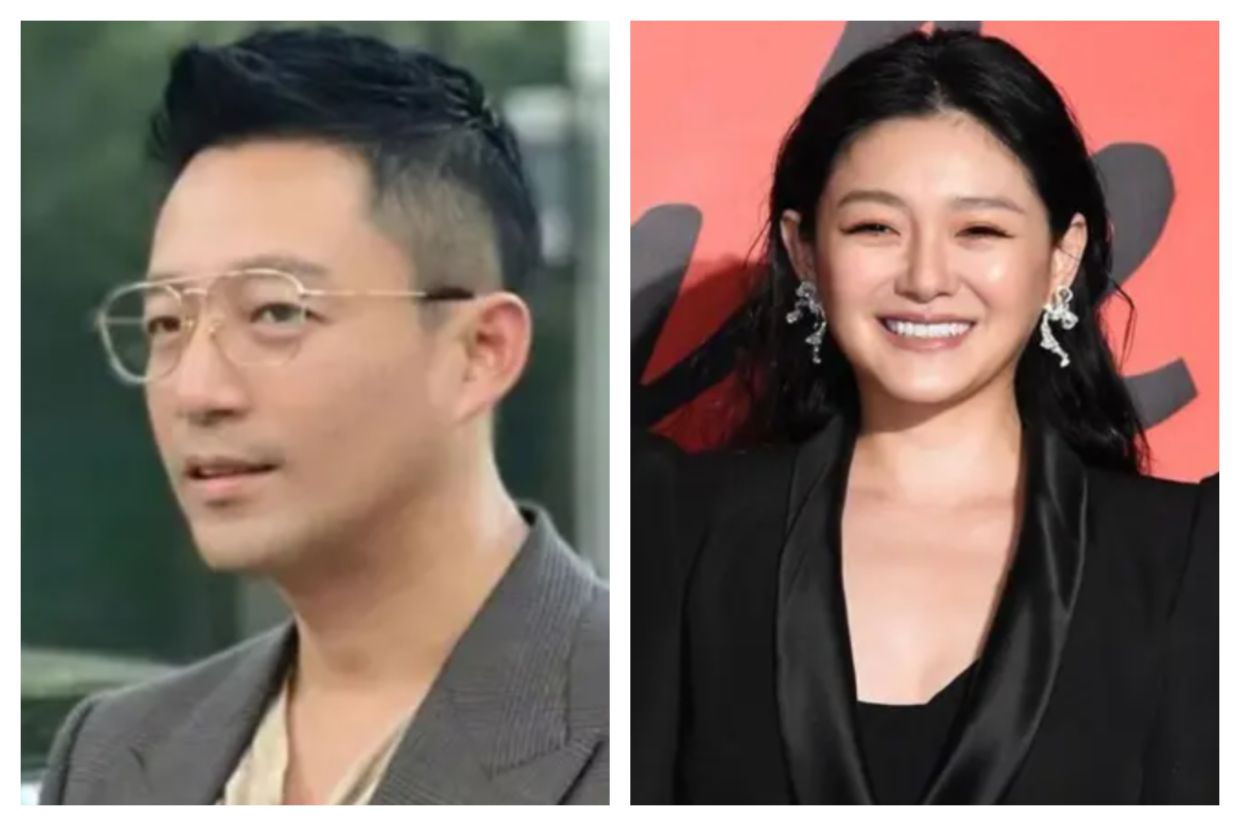
Chinese entrepreneur Wang Xiaofei has broken his silence on the inheritance matters surrounding his late ex-wife, Taiwanese actress Barbie Hsu, moving to dispel mounting speculation about her estate distribution. Through a representative's statement issued in mid-July, Wang addressed concerns that had circulated widely across media platforms, confirming that he respects the legal allocation granting one-third of Hsu's substantial estate to her second husband, Korean musician Koo Jun-yup, professionally known as DJ Koo.
The clarification comes against a backdrop of considerable public interest in how Hsu's assets will be managed following her unexpected death from pneumonia in 2025. Taiwanese media outlets have estimated her total estate to be valued at approximately 600 million yuan, equivalent to roughly RM361 million, encompassing multiple significant properties including a penthouse unit and holdings connected to Taiwan's National Museum of Fine Arts, alongside assets she retained from her earlier divorce settlement with Wang.
Wang and Hsu maintained a marriage lasting eleven years before their separation in 2021, during which they welcomed two children now in their minor years. The couple's divorce settlement had awarded Hsu substantial property and financial assets, which now form a considerable portion of her overall estate. The existence of these two children has become central to inheritance discussions, as their futures and financial security depend significantly on how the estate is managed in the coming years.
Hsu's subsequent marriage to DJ Koo represented a rekindling of a relationship that had originally developed between them in 1998, decades before either pursued their respective entertainment careers in Taiwan and South Korea. Their reunion and eventual marriage marked a personal milestone for both parties, though it came relatively shortly before Hsu's premature death, which has left questions about estate management at a critical juncture.
According to Wang's representative, the distribution framework allocates two-thirds of Hsu's estate to the two minor children through established trust mechanisms designed to protect their interests until they reach adulthood. Wang himself has petitioned Taiwan's court system to appoint a specialized legal representative tasked specifically with safeguarding the children's rights throughout the inheritance process. This proactive legal maneuver reflects concern that the minors' substantial financial interests receive adequate protection amid the complex estate settlement.
The statement also addressed the legitimate entitlement of DJ Koo to one-third of the estate under Taiwan's inheritance laws, emphasizing that Wang holds no objection to Koo's lawful share and respects whatever decisions Koo ultimately makes regarding his portion. This measured and legally cognizant position suggests an effort to depersonalize the inheritance matter and present it as a straightforward application of statutory entitlements rather than a dispute among rival claimants.
Significant rumours had circulated suggesting that Hsu's primary residence faced potential auction proceedings due to outstanding mortgage obligations, allegations that appear to have particularly alarmed Hsu's mother. The elderly parent had publicly expressed concern about her own housing security and the possibility of being displaced from a residence where she had been living. These claims generated considerable sympathetic media coverage and public concern about the welfare of Hsu's surviving family members.
Wang's representation categorically denied these allegations, asserting that mortgage payments on the property have been consistently maintained since Hsu's passing and that responsibility for these obligations has been transferred to the children's trust arrangements. The statement emphasized that Wang himself has continued servicing the mortgage debt rather than allowing the property to face financial distress, a detail designed to counter perceptions of financial negligence or abandonment of family obligations.
Regarding the maternal concerns about displacement, Wang's representative provided reassurance that Hsu's mother remains welcome to occupy the residence indefinitely and that no pressure or legal action toward eviction has been initiated or contemplated. This explicit confirmation aims to settle anxieties that had gained traction in Taiwanese media circles and among entertainment industry observers concerned about elder care and family security.
The representative concluded by appealing to media outlets to exercise restraint in publishing unverified claims about the estate, noting that such reports have caused measurable distress to family members already navigating significant grief. This plea reflects broader tensions between celebrity estate matters and media coverage practices common across East Asian entertainment journalism, where inheritance disputes frequently attract sensationalized reporting that may prioritize narrative drama over factual accuracy.
The formal administration of Hsu's inheritance is currently proceeding under oversight of court-appointed legal counsel in Taiwan, ensuring that distribution occurs according to statutory requirements and protective mechanisms. This institutional supervision provides a structured framework for resolving the estate while protecting the interests of multiple beneficiaries, including the minor children, DJ Koo, and Hsu's mother, during what remains an emotionally challenging period for all parties involved.

