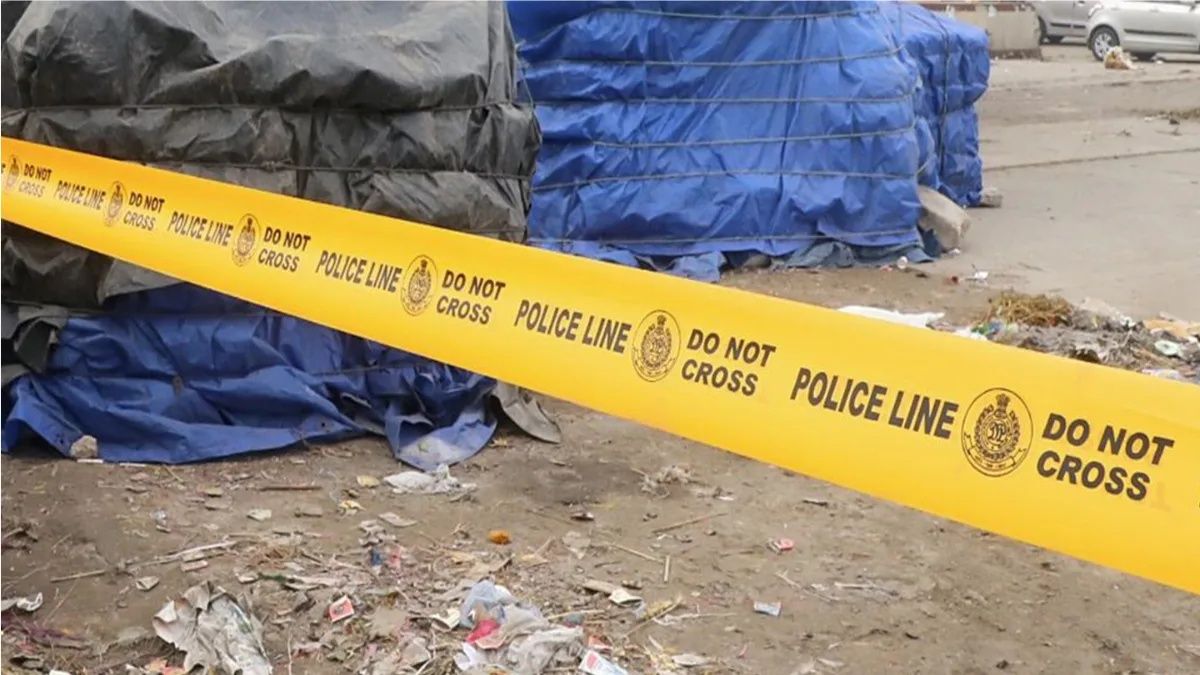
A horrific crime in South 24 Parganas has renewed concerns about child safety in West Bengal, triggering an explosive public response that descended into vigilante justice and violent confrontations. On Sunday, July 5, a 12-year-old girl's body was discovered in a pond near Suryapur village, setting off a chain of protests that revealed the deep mistrust between communities and law enforcement in rural Bengal, while highlighting the persistent vulnerability of children in the region.
The victim had ventured out the previous evening to purchase food from a nearby shop but disappeared. Her family soon grew alarmed, reporting that four individuals had forcibly taken her away. After an anguished overnight search, her lifeless body surfaced in the water Sunday morning, wrapped in a sack. The discovery catalysed immediate and intense public anger, with villagers gathering swiftly at the scene and preventing police from removing the corpse for hours, demanding accountability before any official procedures could commence.
What began as mourning rapidly transformed into street action. Hundreds of residents erected roadblocks, ignited tyres, and obstructed the Sealdah-Namkhana railway line at Suryapur station, paralyzing both vehicular and train traffic. The blockade lasted nearly five hours before police intervention eventually restored services, though road obstructions persisted longer. Demonstrators torched vehicles and vandalised property, their fury at the crime mingling with apparent frustration at perceived inadequacies in local law enforcement and child protection systems. For many in the community, the state's ability to protect its most vulnerable citizens appeared fundamentally compromised.
The situation escalated dramatically when residents identified a local youth whom they believed was complicit in the assault and murder. Suspecting his involvement based on reports of his association with other alleged perpetrators, the enraged crowd subjected him to fatal violence. Police officers who rushed to intervene faced fierce resistance from protesters, sustaining injuries in the melee. Stone-throwing demonstrators created a dangerous environment that forced officers to retreat temporarily before reinforcements and central paramilitary forces could be mobilised to restore order. The uncontrolled mob action underscored the breakdown of civil authority and the takeover of vigilante violence in moments of extreme community trauma.
Investigative authorities have arrested two individuals in connection with the crime, while the youth apprehended by residents has been handed into police custody, though his precise legal status remains unclear given the mob violence surrounding his capture. Police are now investigating not only the original assault and homicide but also the vigilante lynching and the assault on law enforcement personnel during the protests. The complexity of establishing culpability across these overlapping crimes—and determining which of the suspected perpetrators played what role—presents significant challenges for investigators already confronting community distrust.
Inspector General of Police Kankar Prasad Barui, representing the Presidency Range, travelled to Baruipur to address the volatile situation. Speaking through a public address system to the assembled crowds, Barui acknowledged the gravity of the crime while pledging that no one responsible would escape prosecution. He committed to pursuing the harshest possible penalties available under law, assured swift post-mortem procedures following legal protocols, and promised comprehensive investigation. His presence and statements represented an attempt to rebuild confidence in police capacity and intent, though the damage to community-police relations from the violent clashes was evident.
State leadership also intervened symbolically. West Bengal Chief Minister Suvendu Adhikari telephoned the victim's father, offering condolences and formal assurances that legal consequences would be severe. Adhikari invited the grieving father to Nabanna, the state secretariat in Kolkata, for Tuesday to discuss the investigation and discuss support measures. Such high-level engagement, while important for demonstrating official concern, also illustrates how deeply shocking such crimes are to the political establishment and how they threaten to erode public confidence in governance if investigations are perceived as inadequate or slow.
For residents of South 24 Parganas and across West Bengal, this incident encapsulates longstanding anxieties about child protection and the adequacy of policing in rural areas. The speed and intensity of the mob response, culminating in a lynching, suggests that communities feel abandoned by formal legal institutions and compelled to take violent justice into their own hands. This represents a troubling cycle: inadequate police presence and capacity drives public despair, despair produces mob violence, mob violence further undermines institutional legitimacy. Breaking this cycle requires not only solving individual crimes swiftly but fundamentally rebuilding the relationship between communities and law enforcement.
The incident also raises uncomfortable questions about how rural Bengal's poorest and most marginalised residents—children especially—receive protection within the criminal justice system. Whether the four individuals initially identified by the victim's family are properly investigated, whether evidence is handled competently, and whether trials proceed expeditiously will determine whether this tragedy leads to genuine systemic change or fades into the pattern of unsolved crimes and delayed justice that characterises much of India's legal system. The posting of expanded police patrols in Baruipur and heightened security measures represent short-term responses, but sustainable improvement requires investment in police infrastructure, training, and accountability mechanisms across rural Bengal.
As investigators continue examining evidence and pursuing leads, the spotlight remains on how thoroughly and fairly the state can conduct its inquiry while simultaneously investigating the mob violence and police assault. The case exemplifies the collision between rage at institutional failure and the rule of law—a tension that will shape both the investigation's legitimacy and public perception of justice in South 24 Parganas for years to come.

