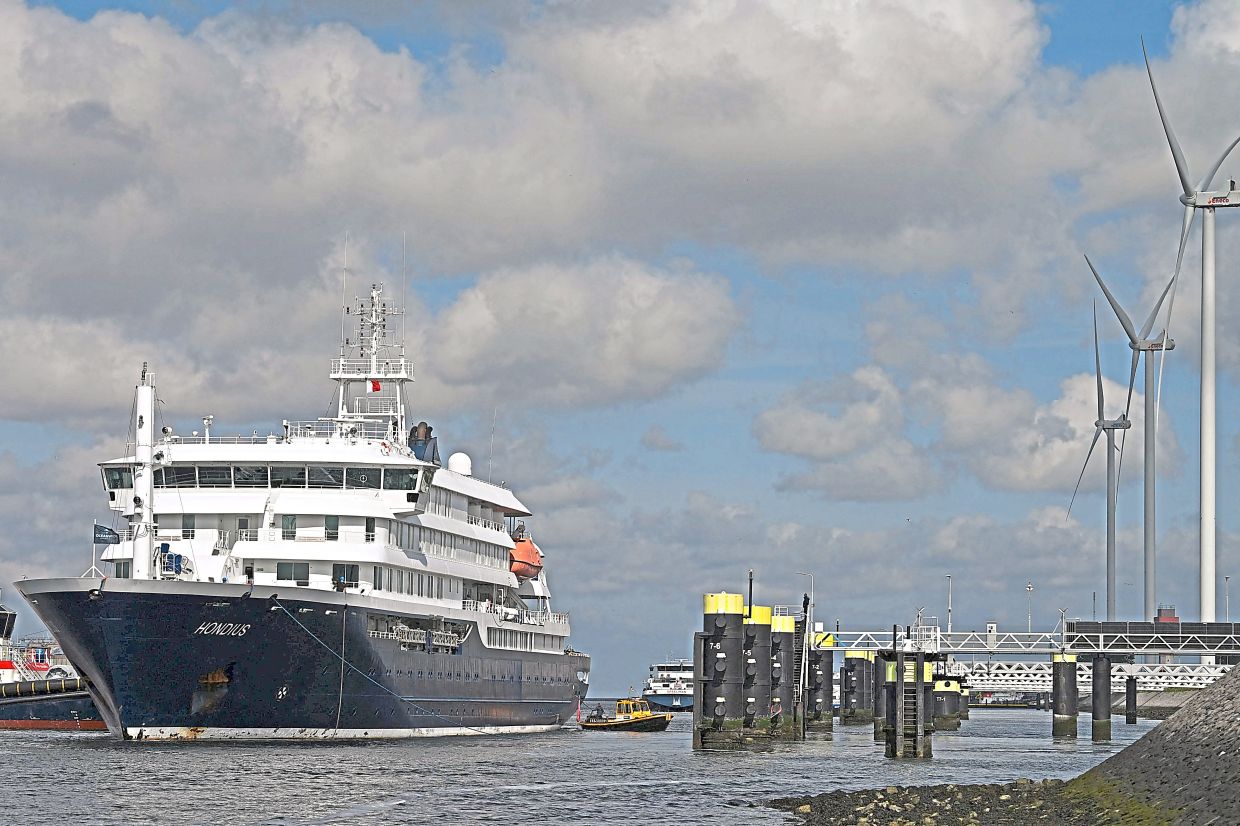
The World Health Organization formally declared an end to a dangerous hantavirus outbreak aboard the MV Hondius on July 2, 2026, marking the conclusion of a public health crisis that had triggered international concern across 33 countries and territories. The announcement came after the final quarantined individual—who had been exposed to the virus during the ship's Antarctic expedition—tested negative and was cleared to return home, effectively closing a two-month chapter that exposed vulnerabilities in disease containment aboard long-distance cruise vessels.
The outbreak, which originated aboard the Dutch-flagged polar exploration ship, resulted in a sobering toll: 12 confirmed cases and one probable case, with three people dying from complications of the virus. The vessel had departed from Ushuaia, Argentina on April 1, 2026, embarking on a voyage through remote South Atlantic regions including the isolated territory of Tristan da Cunha before transiting toward Tenerife in the Canary Islands, where the remaining passengers faced mandatory evacuation as the crisis escalated. The trajectory of the ship itself became a vector for global concern, with the vessel ultimately docking in Rotterdam, Netherlands on May 18 for extensive sanitization procedures.
WHO Director-General Tedros Adhanom Ghebreyesus personally confirmed the outbreak's containment during a press briefing, emphasizing that no new cases had emerged since May 25, 2026. His statement underscored the collaborative nature of the international response, highlighting that health authorities across the affected nations had successfully tracked and monitored over 650 individuals with potential exposure to the virus. This comprehensive contact-tracing operation, coordinated across multiple continents and jurisdictions, demonstrated the capacity of the global health system to respond rapidly to emerging threats, even within the challenging logistical constraints of maritime settings where disease can spread rapidly among concentrated populations.
However, the formal declaration of outbreak control represents merely the beginning of deeper scientific inquiry into the incident. Researchers and epidemiologists worldwide are now engaged in systematic analyses to extract lessons from the MV Hondius episode, which has already catalyzed increased focus on infectious disease risks aboard cruise vessels and polar expedition ships that operate in remote regions with limited medical infrastructure. The WHO has committed substantial resources to understanding the outbreak's dynamics, including how the infection chain developed, what environmental or human factors facilitated transmission, and what preventive measures might have altered the outcome.
Hantavirus itself presents a formidable challenge for public health authorities. The virus is naturally harboured in rodent populations and transmitted primarily through contact with infected animal droppings, saliva, or urine. Significantly, the Andes strain responsible for the MV Hondius outbreak stands apart from other hantavirus species in its capacity for human-to-human transmission, a characteristic that rendered it particularly dangerous in the confined environment of a cruise ship. The absence of effective vaccines or specific antiviral treatments means that management of hantavirus infection remains largely supportive, dependent on early detection and intensive care rather than targeted medical interventions.
To address these knowledge gaps, the WHO has initiated an ambitious international research initiative spanning 21 nations to dissect the pathological and epidemiological dimensions of the outbreak. This coordinated study aims to map how hantavirus progresses within infected individuals, from initial exposure through symptomatic disease and recovery or fatal outcome. Such understanding is essential for developing more effective diagnostic tools that can identify infection earlier in its clinical course, enabling swifter isolation of cases and interruption of transmission chains. The research programme also targets the acceleration of therapeutic development, seeking compounds or approaches that might reduce disease severity, and ultimately pursues vaccine candidates that could provide protective immunity against future exposures.
For Southeast Asian travellers and maritime industries, the MV Hondius outbreak carries particular relevance. Cruise tourism remains a significant economic driver throughout the region, with thousands of passengers regularly embarking from ports in Singapore, Thailand, and Malaysia on extended voyages to remote destinations. The outbreak demonstrated that infectious diseases unknown or rare in most developed countries can emerge suddenly aboard international vessels, affecting passengers and crew from dozens of nations simultaneously. The incident underscores the necessity for enhanced disease surveillance protocols aboard ships, improved coordination between maritime authorities and public health agencies, and clearer protocols for responding to suspected communicable disease outbreaks in the challenging environment of multi-day voyages.
The speed with which the MV Hondius outbreak was contained reflected strengthened global health alert systems developed since previous pandemics, yet it also exposed how quickly a novel or unexpected pathogen can establish transmission chains within vulnerable populations. The three deaths aboard the vessel, while numerically modest, represented a case fatality rate substantially higher than many common infectious diseases, reinforcing the danger posed by hantavirus even when modern medical care is theoretically accessible. The evacuation of remaining passengers and subsequent sanitization of the vessel represented extraordinary interventions, reflecting the seriousness with which international authorities addressed the threat.
Looking forward, the WHO's commitment to sustained scientific investigation suggests that the benefits of the MV Hondius outbreak response will extend well beyond closure of this specific incident. Understanding how hantavirus transmitted so effectively aboard a cruise ship in a remote ocean setting will inform biosafety practices aboard all vessels operating in regions where rodent exposure is possible. Additionally, the research findings may illuminate broader principles about human-to-human transmission of zoonotic diseases, with implications for pandemic preparedness more generally. The incident also prompted reflection on how polar and Antarctic expedition tourism intersects with infectious disease risk, given that such voyages increasingly draw participants from across the globe and traverse regions where human activity brings explorers into contact with novel pathogens.

