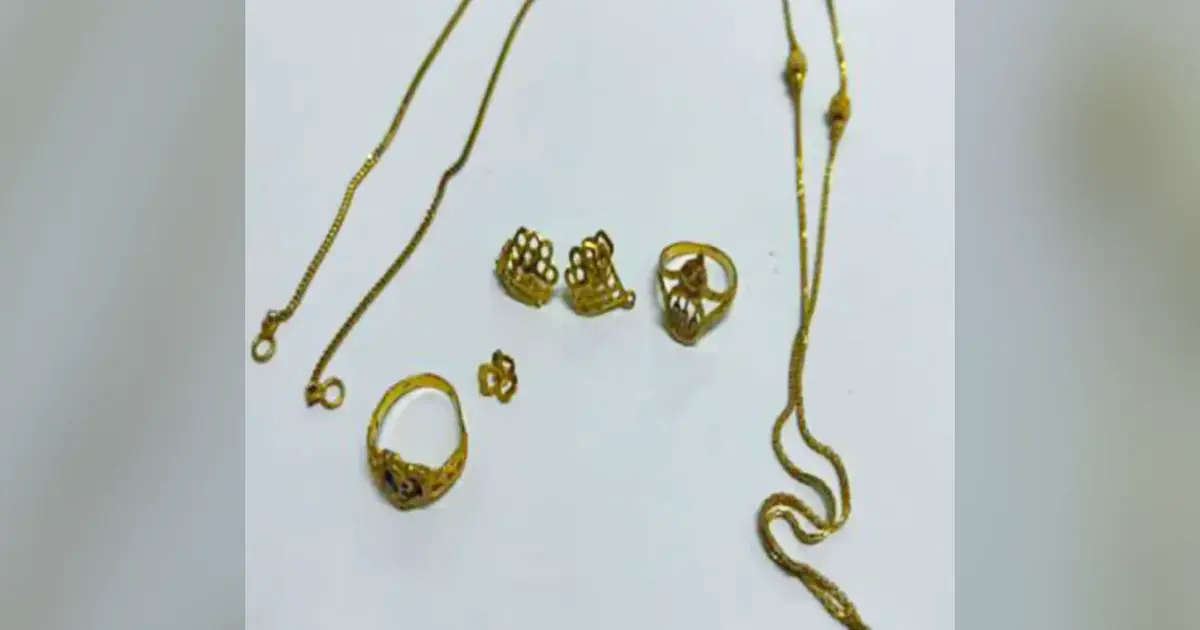
An elderly woman has fallen victim to a sophisticated welfare assistance scam that relieved her of RM8,000 in jewellery, prompting police to launch a swift investigation that culminated in the arrest of three suspects. The case highlights a disturbing trend of criminals exploiting vulnerable seniors through fraudulent welfare schemes, a concern that resonates across Malaysia where elderly citizens increasingly become targets for organised deception.
Police moved quickly to apprehend the primary suspect, a woman, along with her two adult children who allegedly conspired in the scheme. The coordinated arrests reflect law enforcement's commitment to dismantling networks that prey on the elderly, a demographic often isolated from technological safeguards and accustomed to trusting administrative representatives. The swift action demonstrates that authorities are taking such cases seriously, recognising the devastating psychological and financial impact on victims who have limited means to recover from such losses.
Investigators managed to recover the stolen jewellery after tracing it to a pawnshop, where the suspects had attempted to convert their ill-gotten gains into cash. This recovery represents a crucial development for the victim, as jewellery often holds both material and sentimental value for elderly individuals. The pawnshop lead proved invaluable in the investigation, underscoring how legitimate businesses can inadvertently become repositories for stolen goods when criminals seek quick liquidity for their crimes.
Welfare aid scams represent a particularly insidious form of crime because they weaponise the victim's legitimate expectation that government assistance is genuine and trustworthy. Fraudsters posing as welfare officers or claiming to represent assistance programmes exploit the credibility gap between official channels and their impersonation, making it difficult for elderly victims to distinguish authentic communication from deception. The psychological manipulation involved is often more damaging than the financial loss itself, as victims experience violation of their trust in state institutions.
The involvement of family members in the scheme adds another layer of concern to this case. When adult children participate in defrauding strangers, it suggests either desperation-driven criminality or a troubling normalisation of fraud within certain social circles. This family dimension also complicates law enforcement responses, as prosecuting family units requires navigating complex social dynamics while maintaining victim support.
For Malaysian readers, this case serves as a cautionary reminder about the sophistication of modern scams targeting vulnerable populations. Welfare fraud networks often operate across multiple states, coordinating with pawnshops and other intermediaries to create supply chains for stolen goods. Understanding these networks helps citizens recognise warning signs when unknown individuals approach them claiming to represent government programmes or offering assistance that requires surrendering valuables.
The recovery of the jewellery through pawnshop channels suggests that law enforcement has effective mechanisms for tracing stolen goods through commercial channels. This success may encourage victims to report such crimes rather than accepting losses quietly, knowing that police have tools and expertise to pursue recovery. Community awareness of these successes can strengthen reporting rates, which in turn generates intelligence about broader scam networks.
Seniors in Malaysia face unique vulnerabilities that criminals actively exploit. Many elderly citizens are unfamiliar with online verification methods and may lack family members nearby to help validate suspicious claims. Language barriers, hearing difficulties, and natural trust in authority figures create a perfect environment for scammers who have refined their approaches to target these specific weaknesses. Education campaigns specifically designed for older adults could significantly reduce victimisation rates.
The case also raises questions about pawnshop regulations and their role in preventing receipt of stolen goods. While pawnbrokers typically maintain records of transactions, sophisticated criminals sometimes manipulate documentation or exploit gaps in verification procedures. Strengthening coordination between pawnshop operators and police could create an additional barrier to converting stolen goods into cash, disrupting the financial incentive structure that drives such crimes.
Moving forward, this arrest provides an opportunity for law enforcement to investigate whether the three suspects were part of a larger organised crime network. Many welfare scams operate with multiple teams handling different phases: those who target victims, those who collect items, and those who liquidate goods. Determining the suspects' role within any broader structure could lead to additional arrests and dismantling of the entire operation. Community policing initiatives could also be strengthened to educate vulnerable populations about verifying welfare assistance through official channels before surrendering valuables.

