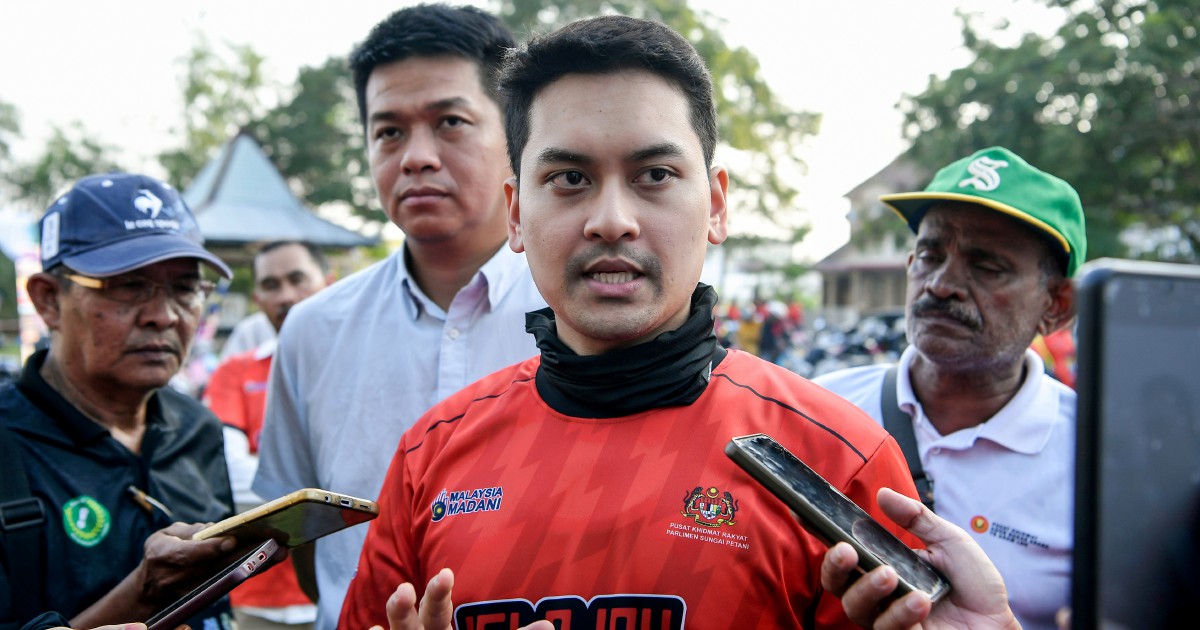
Youth and Sports Minister Dr Mohammed Taufiq Johari has initiated a formal call for a comprehensive investigation into the circumstances surrounding the death of an 11-year-old girl in Alor Star, following her participation in a school sporting activity. The incident has sparked significant concern about the safety frameworks governing physical education and sports programmes in Malaysian educational institutions, prompting high-level intervention from the Ministry.
According to preliminary reports, the young student was reportedly directed by a teacher to participate in a sporting activity at her school before she collapsed. Medical assessments indicate that the girl died from an underlying heart condition, raising troubling questions about whether proper health screening protocols were followed before her participation in the physical activity. The case has immediately become a focal point for discussions about liability, duty of care, and the adequacy of current safeguarding measures in schools across the country.
Dr Mohammed Taufiq Johari's directive for a thorough investigation represents a recognition of the gravity and sensitivity of the matter. The ministerial intervention underscores the need for clarity regarding what happened, how the decision to involve the student in the sporting activity was made, and whether appropriate precautions were in place. The case has broader implications for how Malaysian schools manage health risks associated with physical activities, particularly among younger pupils who may have undiagnosed or poorly managed medical conditions.
The death of a child under circumstances involving a school-supervised activity inevitably raises questions about institutional responsibility and negligence. Parents and guardians throughout Malaysia will be watching closely to understand whether established protocols were breached or whether existing safety procedures were inadequate for identifying vulnerable students. The investigation will likely examine whether the school conducted health assessments, sought parental consent with full disclosure of potential risks, and had emergency response mechanisms in place.
Underlying heart conditions in children can be asymptomatic and difficult to detect without specialist medical examination. The tragedy highlights the tension between encouraging youth participation in physical activity—a critical priority for public health—and the necessity of identifying and protecting children with pre-existing cardiovascular vulnerabilities. Schools must balance the well-documented benefits of sports and exercise with the requirement to ensure that participation guidelines account for individual health circumstances.
This incident comes amid broader regional and global discussions about child safety in educational settings and the increasing accountability expected of schools and their staff members. Malaysian schools operate within a framework of regulations and guidelines governing physical education, but questions frequently arise about enforcement, awareness among educators, and consistency across different institutions. A thorough investigation may reveal whether training, resources, and communication about health screening were adequate.
The Ministry's involvement indicates that the implications extend beyond a single school or local authority. Any systemic weaknesses identified could necessitate policy adjustments, revised guidelines for sporting activities, mandatory health screening procedures, or enhanced teacher training across the national education system. The investigation's findings may influence how all Malaysian schools approach sporting activities and manage health risks going forward.
For the affected family, the loss represents an unimaginable tragedy compounded by the fact that it occurred in a context where the child was under the care and supervision of educational authorities. The investigation must provide transparency and accountability, allowing the family to understand how their daughter's death occurred and whether it could have been prevented through different decisions or procedures. This transparency is also essential for rebuilding public confidence in school safety practices.
The case also raises important questions about communication between schools, parents, and medical professionals. Parents need mechanisms to communicate known health concerns to schools, and schools need clear systems for receiving, documenting, and acting upon this information. Where health concerns are not previously identified, schools require guidance on how to manage unfamiliar or unexpected situations safely.
Dr Mohammed Taufiq Johari's public commitment to investigating thoroughly signals that the Ministry recognises the incident demands serious attention rather than dismissal as an unavoidable accident. The investigation's scope, methodology, and ultimate recommendations will likely influence discussions about child welfare in sporting contexts across Southeast Asia, particularly given Malaysia's status as a regional education hub and the attention such cases attract across national borders.
As the investigation proceeds, Malaysian schools should anticipate that scrutiny of health and safety protocols in physical education will intensify. Education administrators, teachers, and parents will expect clear guidance on best practices, including how to identify at-risk students, when to seek medical clearance, and how to respond appropriately when health concerns emerge. The outcome of this investigation will be crucial in shaping a safer environment for young athletes across the country.

