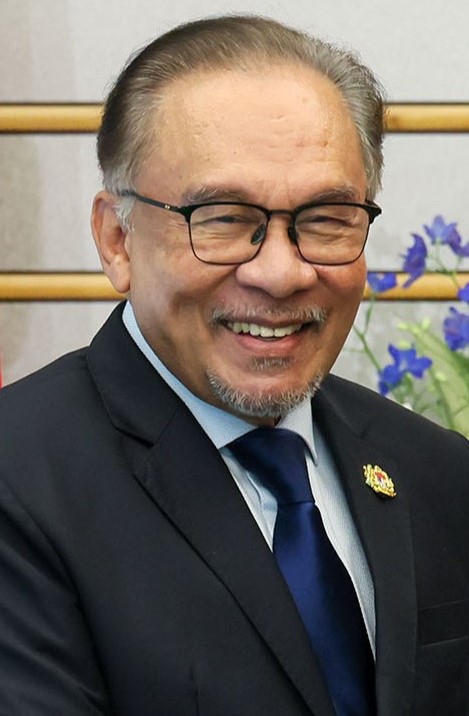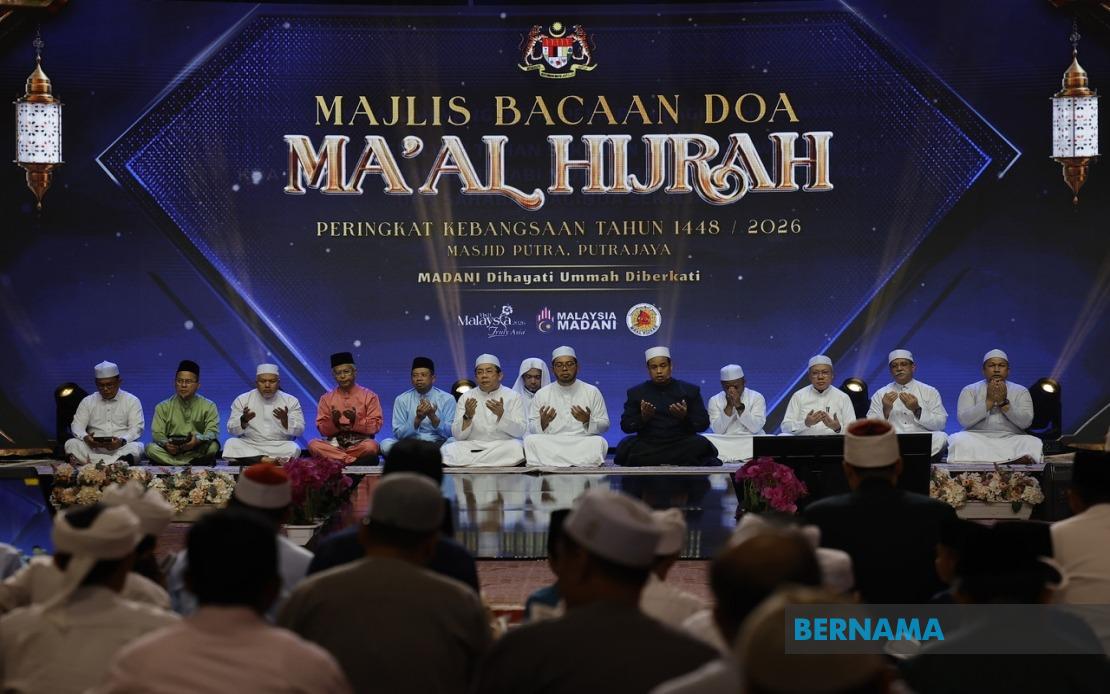
Malaysia's Minister in the Prime Minister's Department (Religious Affairs) Datuk Dr Zulkifli Hasan has appealed to the country's young people to find motivation in the historical migration of Prophet Muhammad, positioning the occasion as a catalyst for meaningful change across society. The message comes as the nation prepares for its national-level Maal Hijrah commemoration, reflecting a broader effort to connect religious observance with practical social development and youth empowerment. Zulkifli's call underscores the government's view that spiritual reflection can serve as a foundation for tackling contemporary challenges facing Malaysian society.
Central to this year's approach is a reimagining of how the celebration engages participants and conveys its message. Rather than a traditional format, the festivities have been restructured to emphasise the historical significance of Prophet Muhammad's journey from Makkah to Madinah, with particular focus on how the establishment of the mosque as an institutional anchor shaped early Islamic civilisation. This pedagogical shift reflects an attempt to make religious observance more tangible and relevant to modern audiences, especially younger Malaysians who might struggle to connect ancient history with contemporary life. By anchoring the narrative around institutional development and community cohesion, organisers are attempting to bridge the gap between religious tradition and practical governance.
The choice of Putra Mosque as the focal point for the national celebration carries symbolic weight. Rather than a neutral venue, the mosque has been deliberately selected to reignite reflection on Prophet Muhammad's formative legacy and his approach to establishing foundational structures for society. Zulkifli explicitly framed the mosque as the birthplace of civilisation and community development, suggesting that contemporary Malaysians should view religious institutions not merely as places of worship but as catalysts for broader social transformation. This framing carries implications for how religious institutions might position themselves within secular governance frameworks and urban planning discussions in the coming years.
Acknowledging resource constraints and global economic pressures, organisers have adopted a deliberately modest scale for this year's celebration. This decision reflects sensitivity to Malaysia's energy conservation priorities amid ongoing global supply disruptions affecting fuel and power availability. The choice to scale back festivities, while maintaining their spiritual and educational substance, signals official awareness of broader economic vulnerabilities and the need for institutions to lead by example in resource stewardship. For Malaysian policymakers, this approach demonstrates how religious commemoration can align with contemporary sustainability concerns without compromising cultural significance.
A keynote lecture series constitutes a major component of the national programme, scheduled for June 18 at JAKIM Auditorium with anticipated attendance of approximately 1,000 participants. The platform will feature both domestic and international Islamic scholars and figures, each bringing distinct perspectives on implementing Hijrah's principles in modern contexts. This intellectual dimension elevates the commemoration beyond ceremonial observation, positioning it as an opportunity for substantive public discourse on faith, social responsibility, and institutional reform. The inclusion of international voices suggests an effort to situate Malaysia's religious narrative within broader Islamic thought and practice, potentially offering competing interpretations that could enrich public debate.
The centrepiece of the national celebration is scheduled for June 17, coinciding with 1 Muharam 1448 Hijri. Commencing at 7 am at Putra Mosque, the ceremony will feature the presentation of national and international Maal Hijrah Figure awards, recognising individuals and organisations deemed to have exemplified the spirit of positive transformation. The ceremonial structure, including officiation by Sultan Nazrin Shah of Perak, reflects the constitutional role of sultanates in religious affairs while affirming the connection between traditional monarchical authority and contemporary Islamic institutional governance in Malaysia's federal system.
The emphasis on youth throughout the minister's commentary speaks to broader demographic and social policy concerns within Malaysian governance. With a substantial proportion of the national population under 40, engaging young citizens in reflective religious practice becomes strategically important for maintaining social cohesion and ensuring younger generations develop ownership over the nation's spiritual and cultural heritage. The repeated invocation of youth potential suggests official concern that without deliberate engagement strategies, younger Malaysians might become disconnected from traditional Islamic frameworks that have historically anchored communal identity and social behaviour.
Zulkifli's framing of Hijrah as a template for positive change rather than mere historical commemoration introduces an interpretive lens worth examining. By emphasising migration, transformation, and institutional building, he positions the Islamic calendar's beginning not as a backward-looking moment but as a forward-focused opportunity for contemporary renewal. This hermeneutical approach differs from purely devotional interpretations, instead offering a framework through which Malaysians might evaluate personal development, institutional effectiveness, and national progress against criteria derived from classical Islamic history.
The national-level celebration's structural shift—beginning in a mosque rather than a convention centre or stadium—reflects assumptions about where meaningful reflection and moral renewal occur. This choice implicitly prioritises spiritual community over celebratory spectacle, suggesting official policy preferences regarding which spaces and practices foster genuine transformation. For Malaysian institutions and planners, this signals a potential recalibration of how religious observance integrates with civic space design and institutional calendars, with implications for how government offices, schools, and public spaces might accommodate contemplative practice alongside administrative functions.
As Malaysia navigates economic pressures, demographic shifts, and evolving social expectations, the government's positioning of Hijrah as a framework for youth engagement and institutional reform carries practical significance beyond religious circles. The commemoration offers a vocabulary through which officials can discuss migration patterns, institutional innovation, and community development using frameworks rooted in Islamic tradition rather than secular modernity alone. Whether this approach successfully resonates with younger Malaysians or remains primarily a ceremonial exercise will likely influence how government agencies employ religious concepts in future policy communication.