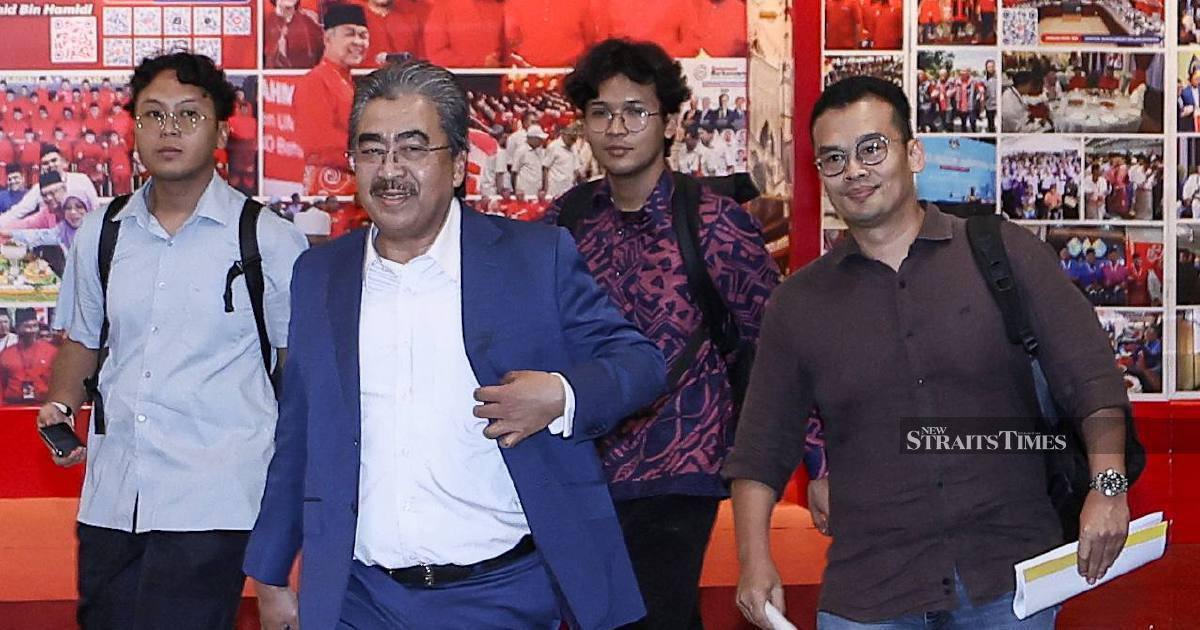
Deputy Prime Minister Ahmad Zahid Hamidi convened a restricted briefing session at Umno's Kuala Lumpur headquarters to discuss critical findings from the declassified Royal Commission of Inquiry into Lembaga Tabung Haji's operations and governance. The exclusive gathering brought together prominent figures from both the Barisan Nasional coalition and the Perikatan Nasional bloc, signalling the broader political significance of the inquiry's conclusions beyond a single party's purview.
The Royal Commission of Inquiry represents a formal investigation mechanism through which the Malaysian government examines matters of substantial public concern. In this instance, the commission focused on the hajj management authority's administrative practices, financial stewardship, and institutional accountability. The decision to declassify the report and present its contents to coalition leaders underscores recognition among Malaysia's ruling political establishment that the findings carry implications extending across multiple stakeholder groups within government and parliament.
Lembaga Tabung Haji plays a uniquely significant role within Malaysia's Islamic governance framework, managing pilgrim welfare funds and overseeing logistical arrangements for Malaysian Muslims undertaking the hajj pilgrimage. The authority's operations directly affect millions of Malaysian citizens and their families, making institutional performance and financial management matters of legitimate public interest. Any inquiry touching upon the organization's conduct inevitably attracts attention from parliamentarians, religious authorities, and the general public alike.
The participation of Perikatan Nasional representatives alongside Barisan Nasional figures demonstrates that inquiry-related concerns transcend party political boundaries. This cross-coalition attendance pattern reflects the practical reality that many government functions, particularly those involving Islamic affairs and pilgrim management, require coordination and consensus among diverse political constituencies within parliament. Such gatherings typically occur when sensitive matters demand careful handling through established channels rather than through public media disclosure.
Closed-door briefings of this nature serve multiple strategic purposes within Malaysia's political system. They allow detailed technical discussions of complex findings away from public scrutiny and media speculation, permitting leaders to develop coordinated positions before any broader public disclosure. They also provide opportunity for leaders representing different political formations to exchange perspectives on implementation strategies for any recommendations the inquiry may have proposed.
The timing of this briefing occurs within a broader context of institutional reform discussions affecting various government agencies. Malaysian voters have demonstrated increasing concern regarding governance standards, transparency in public fund management, and accountability mechanisms within faith-based organizations. The hajj authority, given its custodianship of pilgrim savings, naturally attracts heightened public attention regarding financial practices and operational efficiency.
The Tabung Haji inquiry likely examined several standard governance dimensions including internal controls, procurement practices, investment strategy oversight, and administrative decision-making processes. Royal Commissions in Malaysia typically generate detailed technical findings requiring careful interpretation and coordinated response planning among responsible government ministries and agencies. Briefing coalition leaders before public release allows authorities to prepare implementation frameworks for any recommended changes.
For Malaysian Muslims planning or contemplating future hajj pilgrimages, inquiry findings carry practical significance regarding how their savings remain managed and protected. The briefing process signals that government leadership takes institution-specific performance seriously and intends measured responses to any deficiencies identified. Transparent handling of inquiry recommendations, once public disclosure occurs, strengthens public confidence in both the pilgrim fund system and the broader governance improvements across Islamic institutions.
The involvement of senior Barisan Nasional and Perikatan Nasional leaders also reflects current parliamentary mathematics in Malaysia, where no single coalition commands overwhelming dominance. Building consensus on major governance matters before public announcement represents prudent political strategy ensuring legislative cooperation for any proposed reforms. This consultative approach, while perhaps slower than unilateral action, typically produces more durable policy outcomes enjoying broader political support.
Regional observers monitoring Malaysia's institutional development will watch closely how authorities address the declassified inquiry findings. Southeast Asian countries increasingly scrutinize governance practices within faith-based financial institutions, particularly those managing pilgrim-related funds. Malaysia's handling of Lembaga Tabung Haji recommendations may influence how other regional nations approach similar institutional accountability challenges.
The briefing represents an intermediate stage in a deliberative process extending from inquiry conclusion through eventual policy implementation. Subsequent developments will likely include detailed government ministry responses to specific recommendations, parliamentary discussions of any required legislative amendments, and potentially public announcements regarding structural or procedural reforms. Coalition leaders attending this session position themselves to guide party parliamentary members during these forthcoming stages.
Moving forward, the declassified report's public release and the government's articulated response will prove pivotal in assessing whether inquiry processes in Malaysia deliver meaningful institutional improvement. The presence of diverse political leadership at this preparatory briefing suggests authorities intend coordinated rather than fragmented responses, potentially increasing prospects for effective implementation of recommended changes affecting Lembaga Tabung Haji's future operations.

