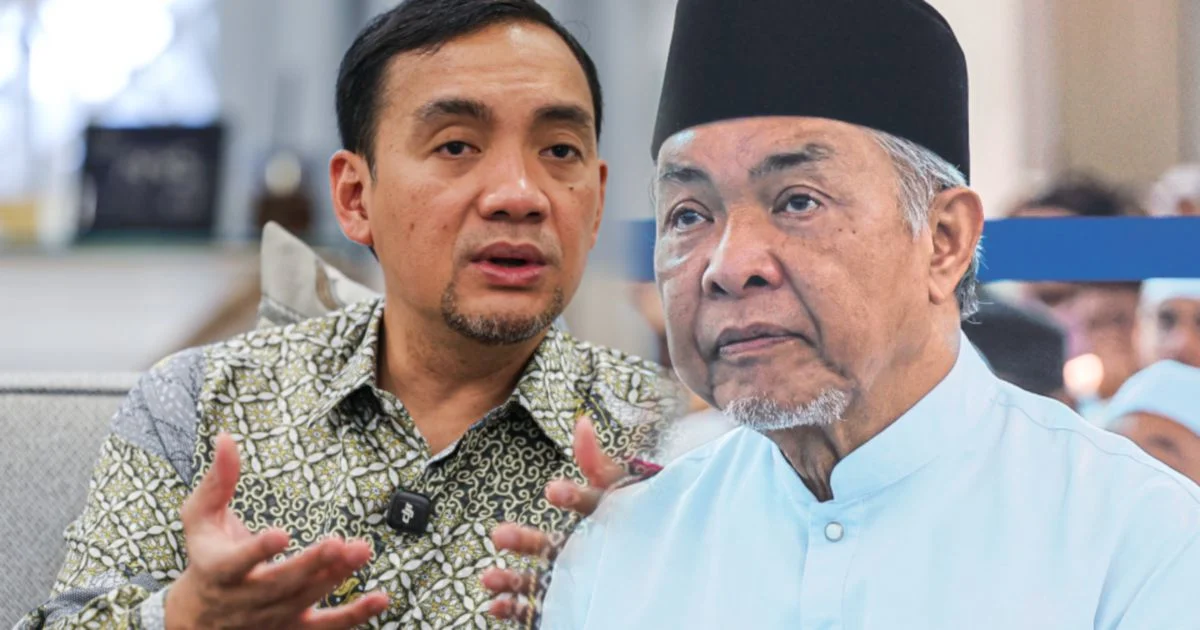
Deputy Prime Minister Datuk Seri Zahid Hamidi has publicly clarified that no formal directive exists preventing caretaker Johor Menteri Besar Datuk Onn Hafiz Ghazi from visiting Federal Land Development Authority settlements across the state, addressing recent speculation about movement restrictions during the transition period following the state elections.
The assertion from Zahid comes amid heightened political sensitivities surrounding the handover of power in Johor, one of Malaysia's most politically significant states. The clarification appears designed to dismiss suggestions that administrative obstacles are being placed before Onn Hafiz as he remains in a caretaker capacity pending formal confirmation of the new state administration. Such restrictions could have projected an image of political vindictiveness or institutional manipulation, matters that typically attract scrutiny from both the public and opposition politicians.
Felda settlements hold particular importance in Malaysian political discourse, representing communities that have historically formed a core voting bloc for various coalitions. These agricultural schemes, spread across multiple states including Johor, comprise thousands of settler families whose livelihoods depend directly on land administration, commodity prices, and government support programmes. A caretaker menteri besar's ability to visit these communities carries symbolic weight, signalling continuity of service and political accessibility during an uncertain transition period.
Zahid's statement effectively preempts potential criticism that could have emerged had restrictions been imposed. By confirming no barriers exist, the deputy prime minister signals that institutional processes are proceeding transparently and without malice, regardless of political outcomes. This becomes particularly relevant given the competitive nature of Malaysian state politics, where perceptions of fair treatment during transitions influence public confidence in democratic institutions and governmental legitimacy.
The context of Johor's political situation adds further layers to this clarification. As a major state with substantial federal land holdings, the administration of Felda-related matters falls within a complex overlap of state and federal jurisdictions. The caretaker menteri besar's continued access to these areas ensures that routine governmental functions—land disputes, settler welfare, agricultural extension services—continue uninterrupted regardless of electoral outcomes or shifts in political control.
Zahid's reassurance also reflects practical governance considerations. Abruptly restricting a caretaker official's access to government land schemes could create administrative paralysis, leaving pressing settler issues unresolved during the transition. The Felda population, numbering in the hundreds of thousands across the nation, depends on continuous engagement with state authorities for matters affecting their agricultural operations and social welfare entitlements.
In Malaysian political culture, statements from senior federal officials carry weight in shaping institutional expectations. By explicitly denying that barriers have been erected, Zahid positions himself as guarantor of procedural fairness, a message particularly important given the federal government's supervisory role over state administrations. Such assurances help maintain public trust that political competition does not override basic principles of administrative continuity and official accountability.
The timing of this clarification suggests that concerns about restricted access had gained sufficient traction to require senior-level intervention. Whether through media speculation, political rumour-mongering, or genuine administrative questions about caretaker powers, the Deputy Prime Minister deemed it necessary to provide explicit confirmation. This underscores how closely Malaysian politics monitors the subtle signals emanating from transitions of state power.
For Southeast Asian observers of Malaysian politics, Zahid's statement illustrates how federal systems navigate competing interests during leadership transitions. Unlike unitary systems where a caretaker period might see more pronounced restrictions on outgoing officials, Malaysia's federal structure requires coordination between state and federal authorities to maintain service delivery. The clarification affirms that such coordination includes preserving outgoing leaders' practical ability to discharge residual responsibilities.
Moving forward, this declaration establishes a clear precedent that caretaker status does not automatically translate into administrative isolation. Felda settlers and other Johor communities can expect continued direct access to their caretaker menteri besar regardless of political change. This maintains a baseline expectation of governmental responsiveness that transcends electoral cycles and coalition alignments, reinforcing institutional norms that protect public interests during periods of political flux.

