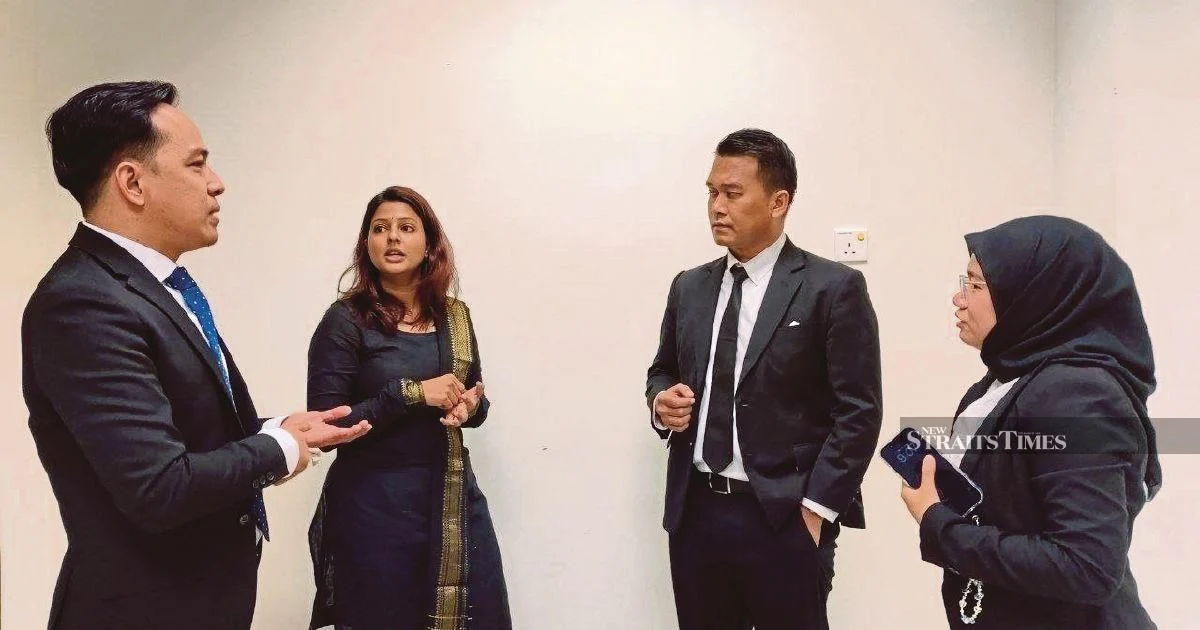
Proceedings at the Coroner's Court in Kota Kinabalu heard testimony revealing that the handwriting of the late Zara Qairina Mahathir had not yet reached a mature or stabilised form, remaining instead at a developmental stage typical of younger individuals. This forensic assessment forms part of the broader inquiry into the circumstances surrounding her death.
Handwriting analysis, when presented as evidence in legal proceedings, typically examines multiple dimensions of written expression including letter formation, consistency, pressure application, and overall stylistic characteristics. The assessment placing Zara Qairina's script at an adolescent level suggests her written expression exhibited qualities associated with youth, rather than the refined consistency expected in fully developed adult penmanship.
The court's consideration of handwriting development reflects a broader recognition within forensic examination practices that writing patterns undergo significant transformation from childhood through adulthood. Young people in their teenage years and early adulthood typically display handwriting that remains variable and subject to frequent modification as fine motor skills and personal writing habits continue to solidify. This volatility, as described in the court proceedings, indicates fluctuations in letter size, slant, spacing, and other measurable characteristics that forensic examiners catalogue.
Such evidence carries particular weight in coroner's inquiries, where establishing context around a deceased person's life circumstances, mental state, and communications becomes essential to understanding the full picture of events. Handwriting samples can reveal information about a person's physical and emotional condition at specific moments, offering insights that complement other forms of evidence gathered during an investigation.
The coroner's examination process in Malaysia requires careful presentation of all material evidence, including expert assessments from qualified specialists in fields such as document analysis. These professionals bring training and experience in recognising patterns that the untrained eye might overlook, allowing courts to build comprehensive understandings of cases under review.
Court proceedings in Kota Kinabalu have drawn attention to the importance of meticulous documentation and analysis in high-profile cases involving young individuals. The examination of Zara Qairina's personal documents, including her handwriting, represents the type of detailed investigative work that coroners rely upon to fulfil their mandate of determining the circumstances and causes surrounding unexplained deaths.
For observers following the case, the technical details presented in court underscore how modern forensic science incorporates multiple investigative disciplines to construct an accurate historical record. Handwriting analysis stands alongside toxicological testing, medical examination, and witness testimony as components of a comprehensive inquiry framework.
The presentation of handwriting evidence also highlights the distinction between adolescent and adult writing patterns, a classification with recognised standards within forensic document examination. Understanding where an individual's handwriting fell along this developmental spectrum can provide context for interpreting written communications and assessing authenticity of documents attributed to the deceased.
The coroner's approach to evidence gathering in this case reflects Malaysia's commitment to thorough investigation of unexplained deaths, ensuring that families receive clear answers and the public can have confidence in the integrity of official inquiries. The careful documentation of each piece of evidence, from handwriting samples to more conventional forms of proof, demonstrates the systematic methodology applied throughout such proceedings.
As investigations progress through the Malaysian court system, the accumulation of detailed evidence—including assessments of handwriting development—contributes to the overall body of information upon which coroners base their determinations. This methodical approach ensures that nothing material is overlooked and that conclusions drawn reflect careful consideration of all available information.
The case continues to highlight the complexity of modern coroner investigations, where expert knowledge from diverse fields must be synthesised into coherent narratives that answer crucial questions about how and why deaths occur. For Malaysian legal proceedings, such thoroughness remains essential to maintaining public trust in the justice system and providing families with the answers they deserve regarding the deaths of their loved ones.

