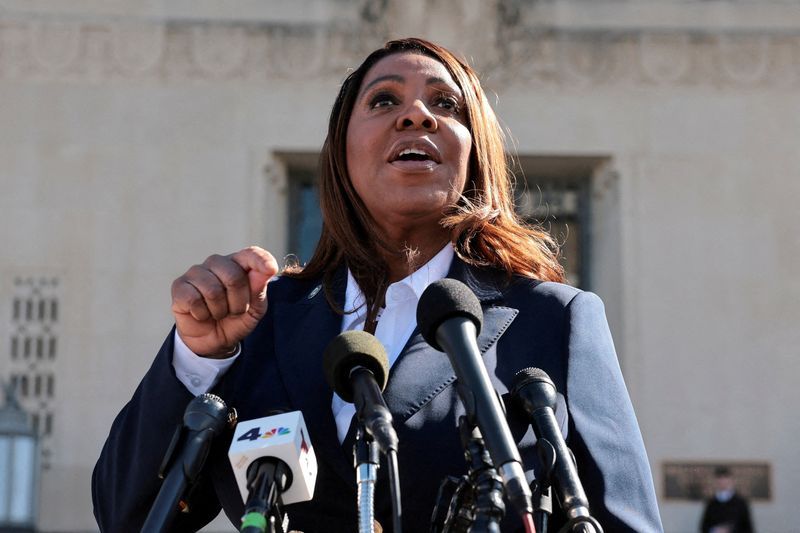
New York's Attorney General Letitia James has cleared a major legal hurdle in her case against Zelle, the electronic payment platform owned by seven major US banks. A state court judge in Manhattan ruled on Tuesday that the lawsuit can proceed, rejecting Zelle's arguments that it should be dismissed before trial. Justice Phaedra Perry-Bond found that James had presented sufficient evidence to suggest the platform's operators deliberately chose speed and market dominance over protecting customers from fraud.
Zelle operates as a service of Early Warning Services, a consortium owned by Bank of America, Capital One, JPMorgan Chase, PNC, Truist, US Bank and Wells Fargo. The payment system, which launched in 2017, competes with platforms like PayPal's Venmo and Block's Cash App. According to James's investigation, Zelle's design prioritised accessibility and user adoption without implementing safeguards that banking partners themselves had flagged as necessary. The state attorney general alleges that this approach enabled criminal actors to steal more than $1 billion from consumers over several years.
The court's decision is significant because it allows the case to move forward through discovery and potentially to trial, where a fuller examination of Zelle's conduct and decision-making processes can occur. Perry-Bond found that James's allegations sufficiently demonstrated how the platform's leadership had consciously traded consumer protection for competitive advantage. The judge noted that Zelle's own banking partners had expressed reservations about rushing the system to market without proper safeguards, yet those concerns were overruled.
Perry-Bond also highlighted an uncomfortable reality in her ruling: Zelle continues to collect and retain fees from transactions that turn out to be fraudulent. This financial incentive raises questions about whether the platform had implicit approval for fraudulent activity. The judge suggested this arrangement warrants further investigation during the lawsuit, as it potentially shows Zelle profited from fraud while users suffered losses. This element transforms the case from one about negligence into one potentially involving complicity.
The marketing claims surrounding Zelle have also come under scrutiny from James's office. The platform was advertised as offering "peace of mind" and as being "backed by the banks, so you know it's secure." These messages, James contends, were misleading given the widespread fraud problems that later emerged. The platform's own data suggests users believed they were engaging with a safer system than was actually the case, which bolsters the attorney general's deceptive advertising allegations.
Zelle's spokesperson, Eric Blankenbaker, responded by asserting that fraud reports on the platform have "always been exceptionally low" and that James is pursuing the case for political purposes. He argued that courts across the country have already rejected similar claims against Zelle as baseless. Blankenbaker characterised the attorney general's lawsuit as recycled arguments lacking both factual and legal foundation. However, the court's decision to let the case proceed suggests at least one judge found this defence unpersuasive at the motion to dismiss stage.
The nature of fraud on Zelle typically follows several patterns, according to the attorney general's investigation. Criminals hack into legitimate user accounts and execute unauthorised transfers, tricking users into sending money for goods or services that do not exist, and impersonating banks, government agencies and utility companies to extract payments. These scams have affected numerous consumers and created significant liability concerns for the banking institutions backing the platform.
A notable timeline in James's case involves the lag between identifying problems and addressing them. The attorney general found that Zelle did not implement basic safety measures until 2023, despite having proposed such protections four years earlier. This delay occurred despite pressure from the US Consumer Financial Protection Bureau and congressional inquiries into the platform's security. The extended period without protective measures strengthens arguments that Zelle prioritised revenue and market expansion over user safety.
James filed her lawsuit in the spring of 2025, following the Consumer Financial Protection Bureau's decision to drop its own enforcement action against Zelle in March of that year. The CFPB's withdrawal from the case came after US President Donald Trump began his second term and the agency curtailed most enforcement activities. The attorney general's decision to pursue the matter at the state level ensures that accountability efforts continue despite the federal regulator's retreat.
For Malaysian and Southeast Asian observers, the Zelle case reflects broader global concerns about payment platform regulation and consumer protection. Digital payment services in this region have expanded rapidly, sometimes with limited safeguards, and regulatory scrutiny remains inconsistent. The New York lawsuit demonstrates how state-level authorities can step in when federal oversight gaps emerge, a model potentially relevant for jurisdictions in Southeast Asia developing frameworks for fintech regulation. The case also underscores the tension between rapid technological deployment and adequate consumer protection measures.
The judge's ruling that Zelle must defend its conduct in court represents a significant moment in the battle over digital payment platform accountability. It establishes that even major financial infrastructure owned by large institutions cannot easily sidestep liability by claiming passive non-involvement in fraud. The case will likely explore broader questions about corporate responsibility when designing systems that handle consumer money, questions increasingly important as digital payments become the norm across Asia and beyond.
As the lawsuit proceeds, discovery will likely reveal internal communications about safety decisions, risk assessments that were conducted and subsequently ignored, and the financial incentives driving the company's choices. These details could reshape how payment platforms in multiple jurisdictions approach consumer protection and set precedents for future regulatory action. The decision also sends a signal to fintech companies that aggressive growth strategies pursued at the expense of safety measures may face significant legal and regulatory consequences.

