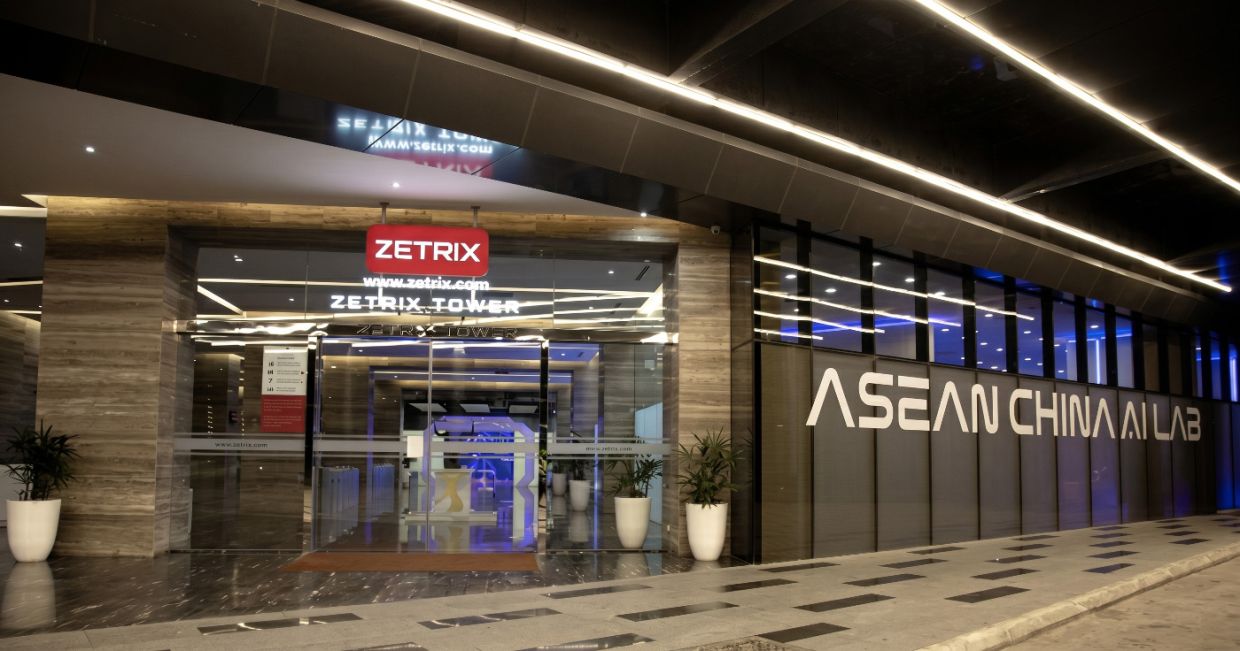
Technology company Zetrix AI Bhd moved swiftly to distance itself from corruption allegations involving a former government minister, issuing a categorical denial to Bursa Malaysia after its stock price suffered a dramatic decline. The company's emphatic response came in the form of a formal exchange filing responding to an unusual market activity query from the regulatory authority, underscoring the severity with which corporate management treated the rumours circulating among investors and traders.
At the centre of the market turmoil sits Datuk Seri M. Saravanan, the former human resources minister, who faces three separate corruption charges brought before the Sessions Court on August 28. The charges specifically relate to his alleged approval of foreign worker quotas, a contentious issue in Malaysian labour policy that has long drawn scrutiny from both business groups and civil society organisations concerned with employment standards and proper governance in work permit allocation.
Zetrix AI's management team stressed that the company harboured no connection whatsoever to Saravanan or the charges levelled against him. In their filing, executives acknowledged that market participants appeared to have connected non-existent dots between the corruption case and corporate operations, leading to speculation that proved damaging to shareholder confidence. The firm recognised that such unfounded rumours likely triggered the unusual surge in trading volume and the associated price deterioration witnessed during market hours.
The company's statement represented an attempt to restore market certainty by systematically ruling out potential explanations for the trading volatility. Zetrix AI's leadership engaged directly with board members, significant shareholders, and other parties who might possess material information about corporate affairs, seeking to identify whether any undisclosed developments—whether at discussion stage, negotiation phase, or advanced planning—could justify the market reaction. Finding no such corporate catalyst, the firm concluded that pure speculation formed the sole driver of events.
From an investor perspective, the distinction between corporate reality and market perception proved immaterial on Friday trading. Zetrix AI's shares experienced a catastrophic loss of value, declining by 30 sen per share, representing a fifty-percent contraction in market price as the stock plummeted to close at 29.5 sen. The intensity of selling pressure became evident through the sheer volume of shares that changed hands during this period, with approximately 1.05 billion shares traded as the stock hit its limit-down position, indicating automatic trading halts triggered by regulatory protections designed to contain panic selling.
This episode illuminates broader vulnerabilities within Malaysia's listed company ecosystem, particularly how corporate reputations can suffer collateral damage through association with high-profile political controversies. When senior government figures face public corruption proceedings, investor psychology often triggers indiscriminate selling across shareholdings, particularly among smaller-capitalisation stocks where liquidity remains shallow and panic selling can accelerate price declines.
The graft charges against Saravanan themselves represent a significant development in Malaysia's ongoing efforts to strengthen governance frameworks and hold public officials accountable for decisions affecting state resources and regulatory approvals. Foreign worker quota decisions carry substantial economic implications for Malaysian employers, labour market dynamics, and migrant worker policies, making the integrity of the approval process a matter of considerable public concern.
Zetrix AI's situation underscores a dilemma facing Malaysian-listed companies during periods of political turbulence—managing market perception whilst simultaneously maintaining operational focus. The company's swift clarification attempt demonstrates management awareness that prolonged silence amid speculation risks compounding investor panic and potential cascading exits from the stock.
For Southeast Asian investors monitoring Malaysian equities, this incident serves as a reminder that stock price movements do not always correlate with corporate fundamentals. Zetrix AI's comprehensive denial and confirmation of no undisclosed corporate developments suggests the company possessed no independent material news driving the downturn, yet this rational message struggled to compete against emotional market responses to external political developments.
The regulatory response through the unusual market activity query mechanism represents Bursa Malaysia's proactive attempt to identify potential sources of misinformation and encourage listed entities to communicate transparently with investors. By compelling Zetrix AI to formally address the connection rumours, the exchange sought to inject factual clarity into a market narrative increasingly clouded by speculation.
Looking forward, this episode may prompt Malaysian investors to exercise greater caution when attributing price movements to reputational links with political figures or corruption cases. Whilst governance concerns deserve serious consideration in investment decision-making, distinguishing between actual corporate exposure and mere conjecture remains essential for rational capital allocation in Southeast Asia's largest equity market.

