Public pressure is mounting for former prime minister Datuk Seri Ismail Sabri Yaakob to clarify the rationale behind his administration's prolonged suppression of the Royal Commission of Inquiry report into Lembaga Tabung Haji, with the document remaining undisclosed throughout nearly four years of his tenure. The continued non-release of this significant investigation has become a focal point for scrutiny regarding government accountability and the handling of sensitive institutional reviews.
The Tabung Haji matter carries particular weight in Malaysian governance circles, as the pilgrim fund manages billions in savings belonging to Muslim Malaysians preparing for the Hajj pilgrimage. Any institutional failings uncovered by the commission would directly affect public confidence in how the body safeguards these funds. The reluctance to publicise the findings suggests concerns existed that warranted careful management of information flow, though the justification for extended suppression remains largely unexplained in public discourse.
The timing of renewed attention to this withheld report reflects broader concerns about government transparency standards. When administrations choose to commission inquiries into public bodies, the eventual disclosure of findings typically serves as a mechanism for restoring trust and demonstrating commitment to institutional improvement. Lengthy delays without clear explanation can undermine these objectives and generate speculation about the nature of problems identified in the investigation.
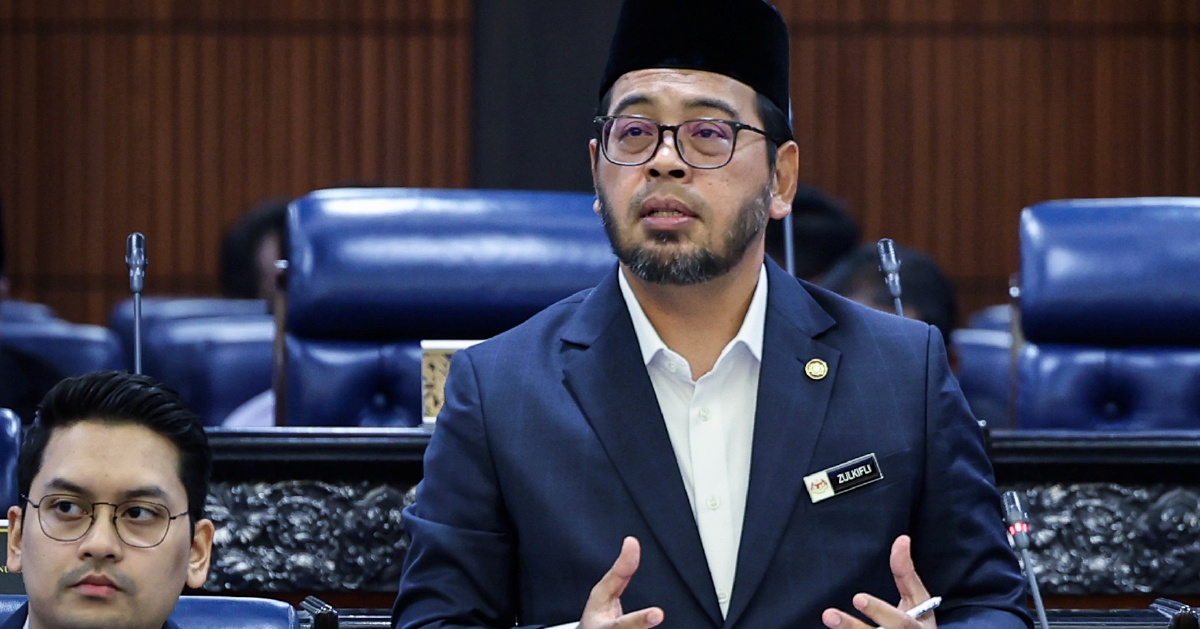
Zulkifli's intervention in demanding clarification represents a significant political development, indicating that this matter has not faded from public memory despite the change in government. The persistence of questions suggests stakeholders remain unconvinced by any explanations previously offered, if any were provided at all. His challenge effectively places the onus on the former prime minister to provide substantive reasoning during a period when discussions about governance quality remain prominent in Malaysian politics.
The broader context involves Malaysia's ongoing efforts to strengthen institutional oversight and public accountability following several high-profile governance controversies. Within this landscape, decisions to suppress official inquiries attract heightened scrutiny, particularly when institutions like Tabung Haji manage resources entrusted by ordinary Malaysians. The Fund's financial health and management practices directly influence millions of citizens, elevating public interest in transparent governance.
Government commissions of inquiry typically aim to investigate institutional problems, identify systemic weaknesses, and recommend corrective measures. When findings remain shelved, the practical benefits of such investigations diminish considerably. Workers and their families depending on Tabung Haji have legitimate interest in understanding any deficiencies uncovered and the steps being taken to address them. Information asymmetry of this nature can erode confidence in both the institution and the government's commitment to resolving identified issues.
The four-year period during which the Ismail Sabri administration held power provided ample opportunity for structured disclosure of the report's contents. Alternative approaches existed, ranging from graduated public release of key findings to parliamentary briefings or specific disclosure to relevant oversight committees. The apparent selection to maintain complete non-disclosure suggests deliberate strategic choice rather than administrative oversight.
For the current government and parliament, this situation presents both accountability questions about the previous administration and practical considerations about eventually releasing the report. Continued suppression under a new government could perpetuate the credibility concerns that made the original withholding controversial. The precedent established by prolonged non-disclosure may influence how similar inquiries are handled in future, with implications for institutional transparency standards across Malaysian public bodies.
Stakeholders in the Islamic finance sector and professional administrators working in government-linked organisations are also attentive to this matter. Decisions about suppressing investigative findings can signal tolerance levels for institutional accountability, potentially influencing how similar bodies govern themselves. The apparent willingness to shelve an RCI report may carry unintended messages about consequences for institutional accountability more broadly.
The call for explanation also highlights recurring tensions between executive authority to manage sensitive information and public expectations for transparency regarding institutions that hold public trust. While governments legitimately require flexibility in handling sensitive matters, indefinite suppression of investigative findings into public bodies eventually conflicts with democratic principles of accountability. The threshold where necessary discretion becomes problematic non-transparency remains contested territory in Malaysian governance practice.
For ordinary Malaysians who have entrusted savings to Tabung Haji, the withholding of investigation findings creates uncertainty about institutional management. Whether deficiencies existed, what their magnitude was, and whether remedial action has occurred all remain unknown. This information vacuum itself becomes consequential, potentially influencing financial decisions and institutional confidence regardless of what the undisclosed report actually contains.
Moving forward, the government faces practical decisions about managing this politically charged document. Release will necessarily invite scrutiny of why the previous administration withheld it, but continued suppression extends the credibility problems associated with non-transparent governance. The intervention by Zulkifli has effectively made ignoring this matter considerably more difficult, positioning the eventual handling of the report as a meaningful indicator of commitment to improved institutional transparency in the Malaysian public sector.

