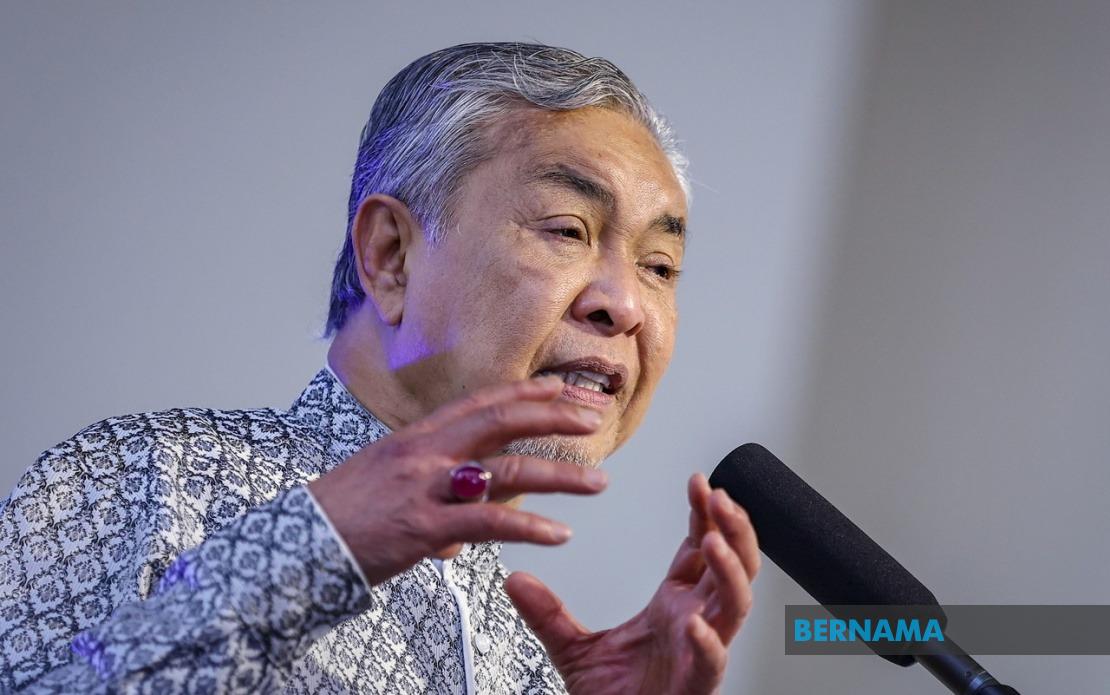
Barisan Nasional chairman Datuk Seri Dr Ahmad Zahid Hamidi has appealed to all contesting parties in the Johor state election to move beyond raising historical grievances that bear no relevance to the state's immediate needs, insisting instead on a campaign grounded in substance and mutual respect. Speaking after attending a community event in the Kempas state constituency on July 3, the Deputy Prime Minister stressed that the electoral period should showcase candidates' individual merits and their concrete proposals for voters, rather than becoming a platform for relitigating past controversies that serve no constructive purpose.
Ahmad Zahid's intervention reflects the delicate political dynamics at play in Johor, where several competing parties maintain coalition relationships at the federal government level. He pointedly noted that some contesting organisations already cooperate within the Cabinet, creating awkward tensions when campaign rhetoric becomes hostile. The BN leader expressed concern that aggressive attacks using outdated issues could undermine the collaborative working relationship these parties depend on in Kuala Lumpur, where they share ministerial responsibilities and policy-making authority.
The timing of Ahmad Zahid's call for civility carries particular weight given that Johor remains a crucial electoral battleground for BN's political fortunes. The state has historically served as a stronghold, yet the party's position has become increasingly vulnerable to erosion across Southeast Asian states. BN's performance in the previous state election, when it secured 40 seats, represented a concerning trajectory that demands urgent reversal. Rather than project overconfidence, Ahmad Zahid characterised BN as the underdog in this contest, a strategic positioning that acknowledges the fundamental shifts in Johor's political landscape over recent years.
One of the most significant demographic changes reshaping electoral dynamics in Johor is the dramatic skewing of the voter population toward youth. More than half of the electorate now consists of younger voters whose priorities and expectations differ markedly from previous generations. This demographic reality has forced BN to recalibrate its policy priorities and campaign messaging. Menteri Besar Datuk Onn Hafiz Ghazi's manifesto explicitly targets young voters by emphasising employment pathways and professional development, recognising that job creation and skill-building represent the defining concerns for this cohort.
The BN platform positions Technical and Vocational Education and Training (TVET) as a cornerstone initiative designed to equip young Johoreans with marketable skills and career advancement opportunities. Ahmad Zahid highlighted that national unemployment has declined to 2.9 per cent, a macroeconomic indicator suggesting improved overall labour market conditions. However, he acknowledged that headline unemployment figures mask deeper challenges facing young people, who frequently encounter difficulty accessing quality employment that offers competitive compensation packages and genuine career progression.
The strategic emphasis on premium-wage employment through skills development reflects BN's attempt to address the income expectations gap that often frustrates younger workers. Technical and vocational pathways have increasingly become recognised across Southeast Asia as viable alternatives to university education, offering faster entry into the workforce and immediate earning potential. By prominently featuring this approach in its manifesto, BN seeks to demonstrate responsiveness to youth concerns about economic security and upward mobility, two issues that transcend partisan divisions but critically influence voting behaviour among first-time and young voters.
Barisan Nasional is contesting all 56 seats in the 16th Johor state election, representing a comprehensive engagement across the state's constituencies. This full-slate approach signals confidence in the party's ability to present competitive candidates throughout Johor, despite acknowledging underdog status relative to past electoral performance. The decision to field candidates across every seat also prevents opponents from claiming territorial advantages or de facto concessions in any locality, maintaining organisational presence even in traditionally challenging areas.
The election is scheduled for July 11, with early voting conducted on July 7, providing Malaysian voters with multiple opportunities to participate in what constitutes a significant test of BN's electoral machinery and policy appeal. Johor's outcome will carry implications beyond the state itself, offering indicators about broader trends affecting the coalition at the national level and signalling whether younger demographic cohorts can be persuaded through policy-focused campaigns rather than traditional partisan messaging.
Ahmad Zahid's appeal for a mature, issues-driven contest also reflects evolving expectations about political conduct, particularly as younger voters increasingly demand substantive debate rather than personalised attacks or historical recriminations. His framing positions BN as the candidate of restraint and respect, contrasting with what he characterises as attacks using outdated grievances. Whether rival parties honour this call remains uncertain, but Ahmad Zahid's public stance establishes a clear narrative framework that BN intends to occupy the high ground during campaigning, emphasising forward-looking policy offerings while implicitly criticising opponents for dwelling on the past. This positioning strategy, combined with targeted appeals to youth voters around employment and skills development, represents BN's calculated effort to restore electoral momentum in a state where complacency poses an existential threat to the coalition's political dominance.

