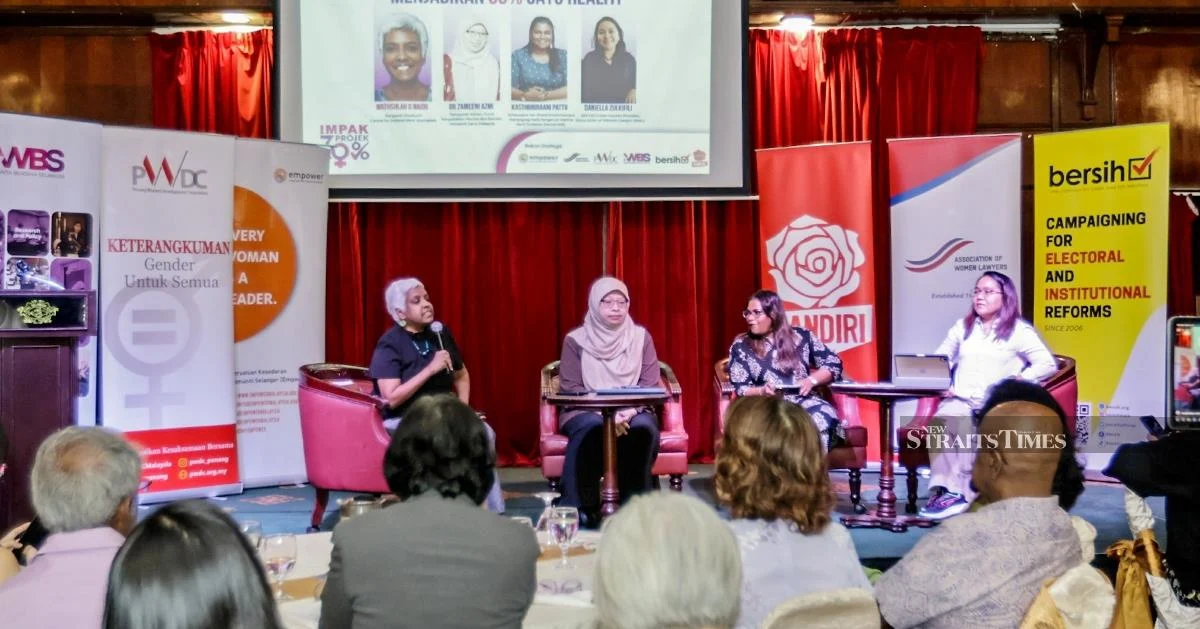
A broad coalition of civil society organisations presented a memorandum and draft legislation to Malaysia's government on Monday, seeking to establish a binding requirement for political parties to nominate a minimum of 30 per cent women candidates in the forthcoming general election. The submission represents a significant push by advocacy groups to institutionalise gender parity in electoral politics, moving beyond voluntary pledges and aspirational targets that have characterised Malaysian political discourse for the past two decades.
The 30 per cent threshold aligns Malaysia with international benchmarks promoted by the United Nations and the Inter-Parliamentary Union, positioning the country alongside other democracies that have adopted or exceeded similar quotas. However, Malaysia's current representation in parliament remains substantially below this target, with women comprising roughly 16 to 18 per cent of parliamentarians in recent legislative terms. The persistent gap reflects systemic barriers within political parties, including entrenched gatekeeping mechanisms and traditional patronage networks that have historically favoured male candidates.
Malaysia's experience with gender representation in politics differs notably from neighbouring Southeast Asian nations. While countries such as the Philippines and Vietnam have experimented with various quota mechanisms at different governance levels, Malaysia has largely relied on soft targets and voluntary commitments from political parties, few of which have delivered measurable improvements. The draft legislation submitted by the coalition seeks to move beyond this reliance on goodwill, establishing a statutory framework that would apply uniformly across all registered political parties contesting the general election.
The timing of this submission carries particular significance, arriving during a period of apparent political receptiveness to gender equality initiatives at the federal level. Recent parliamentary debates and committee discussions have demonstrated growing acknowledgment of the need for concrete action on women's political participation. The memorandum accompanying the draft law likely articulates both the democratic rationale—that women's voices represent half the population and contribute distinct policy perspectives—and the practical economic and social benefits associated with increased female representation in legislative bodies.
Implementing a mandatory 30 per cent quota would require substantial organisational adjustments within Malaysia's major political parties. The Barisan Nasional coalition, Pakatan Harapan alliance, and smaller parties would need to revise their candidate selection processes, reconsider seat distributions, and potentially reshape internal power structures that currently reflect male-dominated hierarchies. Some parties have previously resisted such measures, citing concerns about disrupting established nomination procedures and potentially disadvantaging male members with strong grassroots support.
Regional context illuminates the potential obstacles and opportunities facing this initiative. Indonesia implemented legislative quotas for women candidates, though enforcement mechanisms remain inconsistent, resulting in variable outcomes across provincial elections. Thailand's constitutional provisions include gender representation directives, yet parliamentary women still constitute a minority. These examples suggest that legal frameworks, while necessary, require complementary measures including party-level monitoring mechanisms, public accountability processes, and voter education campaigns to achieve their full potential.
The coalition's approach reflects evolved thinking within Malaysian civil society regarding institutional reform. Rather than limiting advocacy to awareness campaigns or media advocacy, these organisations have invested in drafting formal legislation, demonstrating technical engagement with lawmaking processes and signalling serious intent to translate demands into enforceable policy. This shift acknowledges that voluntary cooperation, despite decades of appeals, has failed to generate substantial progress toward gender parity in Malaysian politics.
For Malaysian voters, particularly women constituents, the proposed legislation carries implications extending beyond symbolic representation. Research from regional democracies indicates that increased female legislative presence correlates with heightened policy attention to education, healthcare, child welfare, and workplace safety—issue areas affecting significant portions of the electorate. Moreover, women candidates' participation in electoral contests normalises their leadership visibility and contributes to shifting public perceptions about women's capacity for political office.
The proposal also intersects with Malaysia's broader development agenda. The government has committed internationally to advancing gender equality targets under the Sustainable Development Goals framework. Institutionalising electoral quotas would demonstrate concrete progress toward SDG 5, potentially enhancing Malaysia's standing within international development partnerships and signalling commitment beyond rhetorical statements. Within the Association of Southeast Asian Nations context, such legislation would position Malaysia among the region's more proactive democracies on gender equity.
Organisations within the coalition likely represent diverse constituencies including women's rights groups, democracy advocates, faith-based organisations, and professional associations. This coalition-building approach enhances the memorandum's credibility and demonstrates broad-based support cutting across ideological and sectarian lines. The diversity of backing suggests the proposal transcends partisan positioning and reflects genuine societal consensus around the principle that women deserve equitable opportunity to contest electoral office.
Political parties will face strategic calculations regarding their response to this initiative. Embracing the quota ahead of legislative mandates could position parties as forward-thinking and inclusive, potentially attracting younger voters and urban constituencies increasingly concerned with gender equity. Conversely, parties may argue that mandates constrain their autonomy and that organic increases in women's representation represent more sustainable progress. These debates within parliamentary and party forums will substantially influence whether the coalition's draft achieves legislative reality by the time Malaysia prepares for its next general election.
The submission also highlights ongoing tensions within Malaysian democracy between institutional reform advocates and those preferring incremental change. This proposal exemplifies how civil society organisations increasingly engage directly in legislative drafting rather than confining themselves to external advocacy. Whether the government formally tables the legislation, refers it to parliamentary committees, or allows it to languish in ministerial correspondence will itself communicate important signals about official receptiveness to women's political representation as a policy priority.

