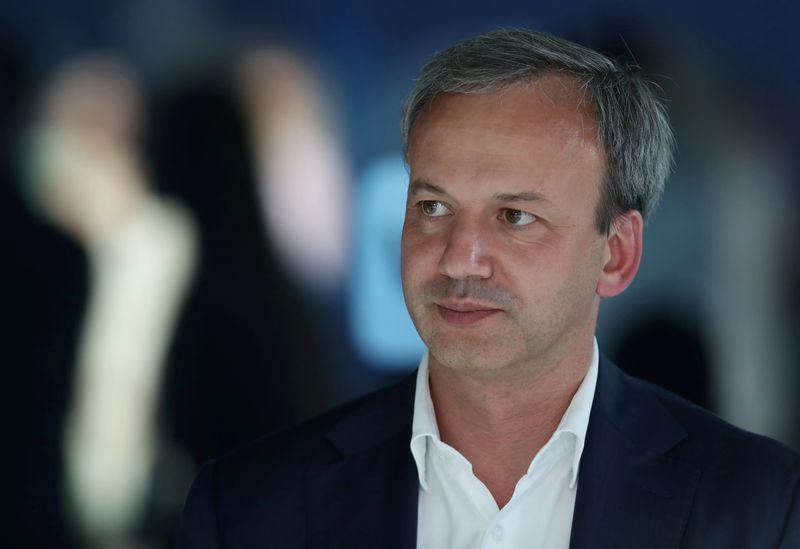
The leader of international chess has stepped back from his role following fresh European Union penalties targeting Russian officials and entities involved in the Ukraine conflict. Arkady Dvorkovich, who has presided over the International Chess Federation (FIDE) since 2018, announced his decision to suspend his presidential powers on Friday in response to being included on the EU's latest sanctions list, marking a significant moment for the global chess community as it navigates geopolitical tensions.
The EU's 21st sanctions package, adopted in connection with Russia's February 2022 military invasion of Ukraine, cast a wide net across the Russian establishment. The measures target 170 organisations and 48 individuals deemed to have ties to Russian aggression, with consequences ranging from asset freezes to international travel restrictions and financial transaction prohibitions. These penalties represent an intensification of Western pressure on Moscow and those associated with its government structures.
In a statement released through FIDE's official channels, Dvorkovich rejected the sanctions as fundamentally unjust and illegitimate. He declared his intention to challenge the EU's decision through all available legal avenues, signalling his refusal to accept the designation quietly. Nevertheless, he acknowledged that the practical constraints imposed by sanctions could undermine FIDE's operational stability and institutional effectiveness during a critical period for the organisation.
Dvorkovich's voluntary suspension takes effect immediately, demonstrating a pragmatic approach to preventing the federation from becoming entangled in international legal complications. Rather than allow sanctions complications to paralyse FIDE's governance, he has chosen to step back temporarily while maintaining his commitment to contesting the sanctions through court proceedings. This decision reflects an understanding that international sports organisations must maintain credibility and functional independence, particularly given chess's global reach and commercial interests.
Indian grandmaster Viswanathan Anand, a former world champion who has held significant positions within chess governance, will assume the role of interim president. Anand's appointment brings stability to FIDE at a moment when the organisation faces external pressures and internal uncertainty. As a respected figure across the chess world without direct association with Russian politics, his interim leadership provides a neutral anchor during the transition period.
Dvorkovich's departure from active leadership comes shortly after he announced intentions to seek re-election to the presidency, with voting scheduled for September's Chess Olympiad in Samarkand, Uzbekistan. His temporary suspension effectively removes him from campaigning activities for the upcoming electoral contest, creating an open field for other candidates to contest the position. This development could reshape leadership dynamics within FIDE during a particularly sensitive time for international sports governance.
FIDE's own relationship with Russia has grown increasingly complicated within the broader sanctions environment. The federation previously suspended Russian participation following a Court of Arbitration for Sport determination in June, a decision that reflected growing pressure to distance chess from Russian state influence amid international criticism. The sport has long served as a source of national pride for Russia, making such suspensions symbolically significant beyond their immediate competitive implications.
The sanctions package affecting Dvorkovich also targeted Mikhail Degtyarev, Russia's Sports Minister and chair of the Russian Olympic Committee, underscoring the EU's systematic approach to isolating individuals managing Russia's international sporting relationships. Degtyarev has been instrumental in Russia's efforts to restore its Olympic standing after receiving suspension in October 2023 for maintaining regional sports organisations within occupied Ukrainian territories. The International Olympic Committee recently lifted Russia's suspension following the removal of these bodies from membership rolls, though the country's athletes continue to face restrictions on competing under their national flag.
These interconnected developments within international sports governance reveal how geopolitical conflict increasingly constrains the operations of global sporting bodies. Chess, traditionally positioned as a politically neutral pursuit emphasising universal intellectual values, finds itself caught within broader power dynamics and sanctions regimes. The situation demonstrates that even ostensibly apolitical institutions cannot fully insulate themselves from state-level tensions.
For Malaysian readers and Southeast Asian observers, Dvorkovich's suspension underscores how regional sports organisations must navigate complicated relationships with major powers and their policy instruments. As ASEAN nations pursue strategic autonomy in their foreign relations, the chess federation's experience offers lessons about maintaining institutional independence while engaging with powerful external actors. The situation also highlights how international sanctions regimes extend beyond traditional economic sectors into cultural and sporting domains.
The appointment of Anand as interim president carries symbolic weight for Asia's role in global chess governance. His elevation provides opportunity for fresh leadership perspectives and potentially stronger emphasis on developing chess infrastructure across Asian nations. The interim arrangement also buys time for FIDE to develop longer-term governance solutions that balance geopolitical realities with the sport's universal aspirations.
Looking ahead, the September Chess Olympiad in Samarkand will represent a crucial moment for FIDE's future direction. The gathering will determine not only who leads the organisation but also how it navigates continued tensions between major powers. The federation's ability to restore functionality and legitimacy during this period will shape international chess for years to come, particularly regarding how sporting organisations manage relationships with sanctioned nations.

