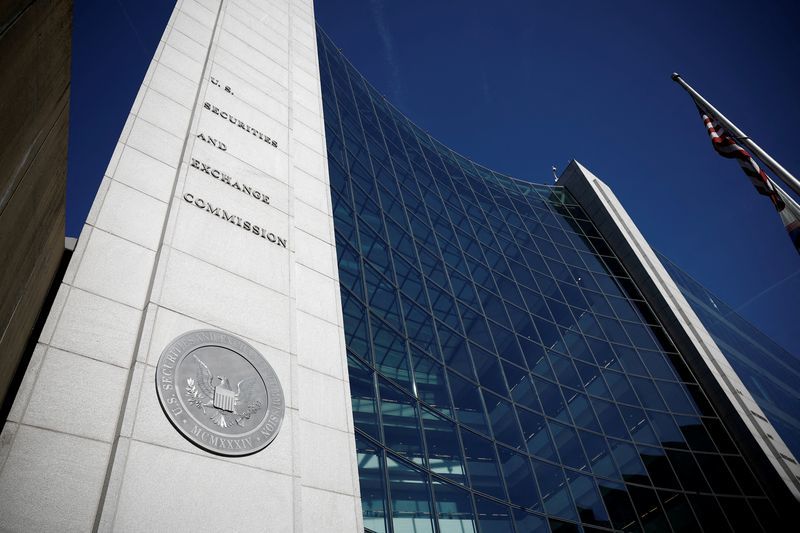
The U.S. Securities and Exchange Commission has filed charges against Jason Satsky, a former senior investment banker at Bank of America, in connection with an insider trading scheme that allegedly generated illegal profits exceeding $18.5 million for his longtime associate. The enforcement action underscores ongoing regulatory scrutiny of information leaks within major financial institutions and the illicit trading networks that can develop among Wall Street professionals.
Satsky, 59, held the position of co-head of Americas power and renewable energy banking at Bank of America when he allegedly disclosed confidential details about the impending acquisition of South Jersey Industries to Gavin Wolfe, a friend of more than two decades with whom he had previously worked in the energy banking sector. According to the SEC's allegations, this tipping occurred in late 2021, months before the transaction became public knowledge. The bank was serving as an adviser on the proposed deal at the time Satsky made the alleged disclosures.
Wolfe, 55, who now operates Evergreen Capital, a firm managing family assets, leveraged the purported inside information to accumulate a substantial equity position in South Jersey Industries. His purchase of over 2.2 million shares, valued at approximately $53 million, positioned him to capture outsized gains once the transaction was announced. When South Jersey Industries confirmed the $8.1 billion buyout on February 24, 2022, Wolfe's investment generated a 36 percent return, translating into the alleged illegal profit figures cited by regulators.
The nature of the alleged communications between Satsky and Wolfe reveals how sensitive corporate information can be exchanged through seemingly casual social interactions. According to the SEC's complaint, the two men discussed the potential acquisition on multiple occasions, including during attendance at a nationally televised college basketball game featuring Duke and Kentucky at Madison Square Garden. Satsky had obtained luxury box seats through Bank of America for the event, creating an informal setting where discussions about confidential business matters could occur with reduced scrutiny compared to office environments.
The SEC's enforcement action targets both the alleged tipper and tippee, reflecting the agency's approach to prosecuting insider trading conspiracies on both sides of the information transfer. The complaint seeks recovery of ill-gotten gains from Wolfe and seeks to impose civil penalties against both individuals. Additionally, regulators are pursuing officer-and-director bans that would restrict both men's involvement in securities market activities or corporate governance roles going forward.
Both defendants have mounted vigorous denials through their legal representatives. Satsky's attorney, Robert Anello, issued a statement asserting his client's innocence and confidence that evidence would demonstrate proper conduct. The defence emphasises that Satsky did not furnish Wolfe or any other party with material nonpublic information concerning South Jersey Industries, directly contradicting the regulatory allegations. This framing suggests the defence strategy may focus on alternative explanations for Wolfe's trading decisions or challenges to the SEC's characterisation of what constitutes material nonpublic information in this context.
Wolfe's legal counsel, Reed Brodsky, has similarly characterised the allegations as baseless, stating his client categorically denies the charges and intends to mount a comprehensive defence. The defence team has highlighted sworn testimony and documentary evidence allegedly demonstrating that Wolfe's share purchases were grounded in an independent investment thesis rather than reliance on tipped information. This approach attempts to establish that Wolfe's trading would have occurred regardless of any communications with Satsky, presenting the trading decision as a coincidental parallel development.
The professional relationship between Satsky and Wolfe traces back to their tenure in the power and renewable energy banking division at Credit Suisse, where both gained expertise before joining Bank of America together in 2012. This longstanding association and shared professional background in a specialised banking niche provides context for their subsequent interactions. The pair's comfort level and trust stemming from years of collaboration may have facilitated the alleged information exchange, as pre-existing relationships often serve as conduits for sensitive corporate disclosures.
Bank of America moved swiftly to distance itself from the alleged misconduct by terminating Satsky in March 2025, several months after the improper trading would have occurred and shortly before the SEC's enforcement action became public. The institution confirmed that Satsky no longer maintains employment with the firm and clarified that Bank of America itself faces no wrongdoing allegations. This decisive personnel action reflects the reputational risks financial institutions face when employees engage in securities violations, even as the bank itself was performing its proper advisory role on the transaction.
The case carries particular significance for financial sector compliance officers and risk management teams, highlighting vulnerabilities in information barriers designed to prevent insider trading. Despite sophisticated compliance frameworks at major institutions, determined actors can circumvent controls through informal social channels and personal relationships. The alleged exchange at a public sporting event demonstrates how information can be transmitted outside traditional office settings where monitoring and surveillance mechanisms are most concentrated.
For Malaysian and Southeast Asian capital markets, this enforcement action reinforces lessons about the universal nature of insider trading risks and the consistent application of securities laws across major jurisdictions. As regional markets develop increasingly sophisticated trading infrastructure and as cross-border capital flows intensify, the imperative for robust information governance and trading compliance becomes ever more acute. Financial professionals operating across multiple markets must understand that regulatory agencies maintain active insider trading enforcement programmes and that the penalties—including civil fines, disgorgement of profits, and permanent market bans—create substantial deterrents.
The outcome of the Satsky and Wolfe cases will likely influence how financial institutions calibrate their compliance programmes, particularly regarding socialising between bankers and external investors. Many firms may heighten restrictions on outside activities and social engagements involving market-sensitive information, seeking to minimize circumstances where information leakage could occur. The case also demonstrates regulators' capacity to reconstruct communication patterns and establish the factual foundation for insider trading allegations, even when the information exchange occurs in informal settings without electronic documentation.

