Kelantan's state government has opened 63 investigation papers related to illegal land encroachment and mining operations this year, reflecting intensified efforts to combat unauthorised resource extraction across four districts in the state. The enforcement push, which has resulted in confiscation of heavy machinery and equipment valued at millions of ringgit, underscores growing concerns about unregulated industrial activities eroding state lands and natural resources.
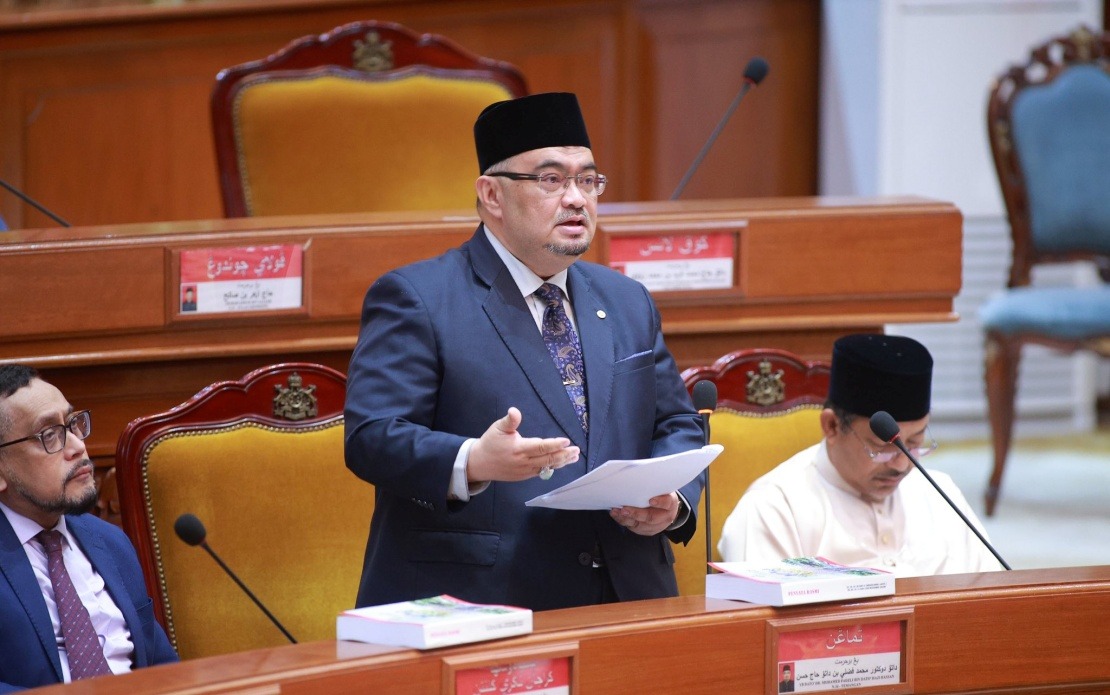
Deputy Menteri Besar Datuk Dr Mohamed Fadzli Hassan disclosed the enforcement statistics during a state assembly session in Kota Bharu, outlining a coordinated campaign that has produced concrete results. The 63 investigation papers emerged from a broader programme of 77 field operations conducted across recognised illegal mining hotspots in Gua Musang, Kuala Krai, Jeli, and Tanah Merah districts. These four areas have become focal points for enforcement attention, suggesting that illegal mining networks remain geographically concentrated and potentially identifiable through systematic policing.
The confiscation of 65 excavators and associated heavy equipment, estimated at RM15.8 million in total value, represents a substantial blow to the operational capacity of illegal mining enterprises. Removing this machinery aims to disrupt the supply chain and infrastructure that illegal operators depend upon, making it economically unviable to continue extraction work. This asset-seizure approach represents a strategic shift beyond simple fines, targeting the capital investment that underwrites mining operations in the state.
All 63 cases have been formally documented and referred to the Prosecution Unit of the Kelantan Land and Mines Office for subsequent legal proceedings. This procedural step ensures that investigations follow established protocols and that prosecutorial decisions remain grounded in evidence gathered during field operations. The routing through the Land and Mines Office specialises enforcement efforts, potentially accelerating case resolution compared to general criminal justice channels.
When asked about the involvement of middlemen, organisers, or individuals profiting from illegal mining networks, Dr Mohamed Fadzli acknowledged that investigations would probe the full chain of command and financial benefit. He indicated that authorities possess knowledge of land ownership, providing a foundation for tracing how illegal operations are coordinated and financed. Once investigators establish clear evidence of unlawful activity, police reports will be filed to expand enquiries beyond administrative land violations into potential conspiracy or criminal racketeering.
The state government has signalled intent to strengthen the legal framework governing repeat offenders, discussing revised penalty structures with the Land and Mines Office. Current penalties may insufficiently deter actors already familiar with enforcement actions, particularly organised networks viewing fines as a cost of business. Escalated sanctions for recidivist violations could transform the economic calculus facing repeat violators, making compliance more attractive than continued illicit extraction.
This enforcement campaign carries particular significance for Kelantan, a state where land use conflicts between agriculture, mining, and conservation have intensified amid development pressures. Illegal mining not only deprives the state of legitimate revenue through licensing fees and royalties but also inflicts environmental damage through habitat destruction, soil degradation, and water pollution. Communities adjacent to mining sites often face noise, dust, and groundwater contamination, creating public health concerns that extend beyond property rights.
The concentration of illegal mining in four districts suggests either genuine geological abundance in these areas or insufficient enforcement presence in other regions. Understanding whether the hotspot designation reflects actual mining activity or regulatory gaps would inform resource allocation decisions. If enforcement presence itself deters operators, then expanding field teams to previously under-monitored districts might reveal additional unauthorised activities.
For Malaysia's broader regulatory environment, Kelantan's approach demonstrates how state-level enforcement can function independently of federal mineral licensing frameworks. However, the effectiveness of these efforts depends partly on coordination between state authorities, the federal Department of Mineral and Geosciences, and law enforcement agencies investigating organised crime elements potentially financing illegal operations. Informal networks extending across state boundaries may limit the impact of single-state crackdowns unless accompanied by interstate intelligence sharing.
The investigation figures also raise questions about prosecution outcomes and conviction rates once cases move through the legal system. High investigation-to-conviction ratios indicate prosecutorial success, while low ratios may suggest evidentiary challenges, weak penalties failing to justify legal action, or organised actors exploiting legal procedural gaps. Publishing subsequent outcomes would help assess whether the enforcement campaign translates into meaningful deterrence or merely processes cases without meaningful sanctions.
International experience suggests that combating illegal mining requires addressing root causes alongside enforcement, including poverty in mining communities, weak land governance, and corruption enabling operators to evade detection. Kelantan's strategy appears enforcement-focused, potentially effective in disrupting individual operations but requiring complementary approaches addressing incentive structures drawing people into illegal extraction activities.

