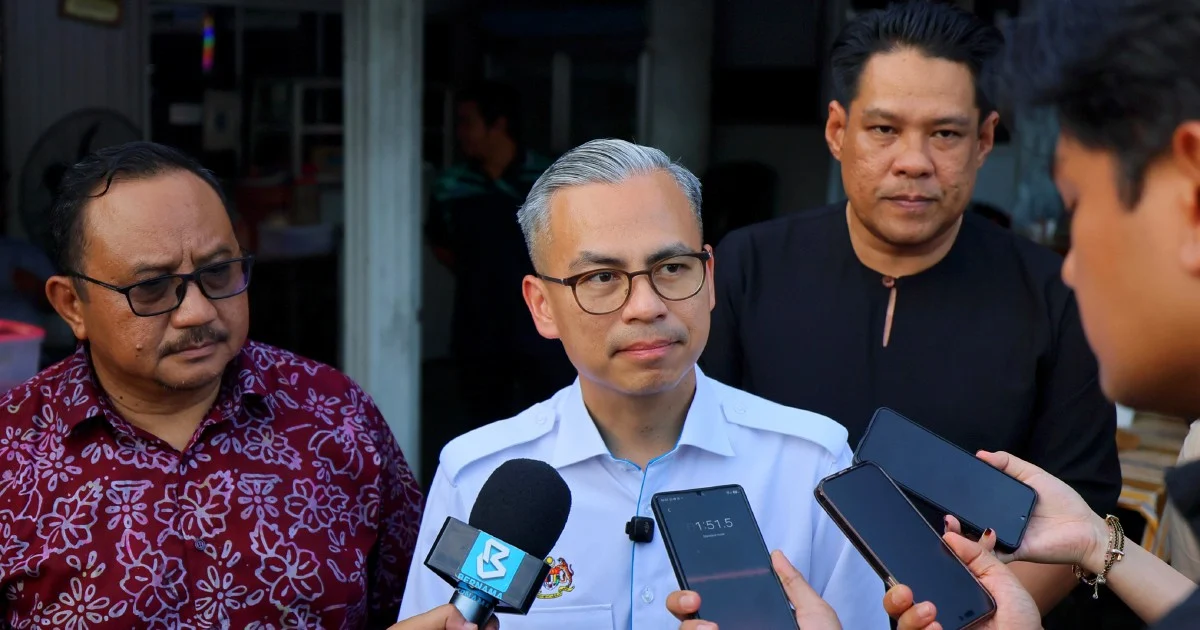
Pakatan Harapan is preparing to contest the forthcoming Johor state election through a carefully calibrated approach that integrates modern digital communication with traditional community engagement, according to political strategists within the opposition coalition. The coalition's emphasis on balancing these two distinct campaign channels reflects broader shifts in how Malaysian political parties are adapting their outreach to respond to increasingly varied voter preferences and media consumption habits across the state.
The strategic decision to combine online and physical campaigning reflects the reality that Malaysian voters, particularly in an economically dynamic state like Johor, now engage with political messaging through multiple touchpoints. Social media platforms have become critical spaces where political discourse unfolds, allowing campaigns to reach younger and more digitally native audiences who may not attend traditional rallies or constituency events. Simultaneously, ground-level organizing remains essential for building the interpersonal trust and community networks that translate electoral sentiment into actual votes on polling day.
Johor presents a complex electoral landscape that demands flexibility from any campaign seeking to broaden its appeal. The state has experienced significant demographic shifts in recent years, with younger voters moving into urban centres whilst older populations remain more concentrated in traditional heartland areas. This geographic and generational fragmentation necessitates a campaign infrastructure capable of delivering tailored messages across different platforms and communities rather than relying on a one-size-fits-all approach.
The digital component of Pakatan Harapan's strategy will likely emphasize rapid response to emerging issues, viral content creation, and targeted advertising across Facebook, TikTok, and Instagram where significant Johor voter segments congregate. Online campaigning also provides a cost-efficient method to amplify campaign messages without the substantial logistical overhead of organizing large-scale physical events. Furthermore, digital platforms offer valuable data about voter sentiment and engagement levels, enabling the coalition to refine its messaging in real time and identify where ground resources might be most effectively deployed.
Ground campaigning, meanwhile, remains irreplaceable for several critical political functions. Door-to-door canvassing allows campaign volunteers to gather direct feedback about local concerns, build relationships with community leaders, and identify potential party supporters who might not be active on social media. Constituency events, town halls, and community visits create opportunities for candidates to demonstrate commitment to local issues and establish the personal connection that voters often value when making electoral decisions. These traditional activities also serve to mobilize existing party supporters and convert them into campaign volunteers who extend the coalition's reach far beyond what any centralized digital operation could achieve.
The emphasis on balanced campaigning also addresses lessons Pakatan Harapan has learned from previous electoral contests. Excessive reliance on online outreach can create echo chambers where supportive audiences primarily hear reinforcing messages, limiting the coalition's capacity to persuade voters in more contested or traditionally opposition-skeptical areas. Conversely, ground campaigns without adequate digital amplification struggle to achieve the scale and speed necessary to compete against well-resourced opponents in the modern media environment.
For Johor specifically, this dual-track approach carries particular significance given the state's political history and current dynamics. The state has been a Barisan Nasional stronghold for decades, creating entrenched advantage for the ruling coalition in terms of institutional resources and established voter habits. Pakatan Harapan must therefore deploy campaign methods that can challenge this structural disadvantage by reaching beyond its traditional support base to persuade swing voters and create momentum in areas where the opposition has previously struggled to gain traction.
The digital and ground strategies must also coordinate effectively to amplify each other rather than operating in isolation. Content generated during ground events can be packaged for social media distribution, extending the impact of campaign activities beyond physical attendees. Conversely, digital campaigns can drive awareness and interest that translates into higher attendance at physical campaign events. This integration requires substantial operational coordination and clear messaging discipline across all campaign channels to ensure consistency.
Beyond Johor, Pakatan Harapan's campaign methodology will likely influence how opposition parties nationwide approach future elections, particularly state contests where resources are more constrained than in federal campaigns. The success or failure of this balanced approach in Johor may provide important lessons about optimal campaign resource allocation in Malaysia's increasingly digitalized but still deeply community-rooted political culture.
The coalition's strategic pivot also reflects acknowledgment that electoral outcomes in Malaysia depend less on any single campaign tactic than on the cumulative effect of sustained, coordinated efforts across multiple domains. By committing to both digital and grassroots organizing for the Johor contest, Pakatan Harapan is signaling that it understands the necessity of comprehensive political mobilization capable of engaging different voter segments through their preferred channels while building the organizational infrastructure required to convert campaign momentum into electoral victory.

