A 22-year-old driver in Singapore faces a formidable legal challenge after being charged with eight offences on August 8 stemming from a fatal collision at a petrol station. Ray Png AZ allegedly operated a deregistered vehicle without a valid driving licence and is said to have been under the influence of drugs at the time of the incident. The charges represent a combination of motoring violations and a death-by-dangerous-driving allegation that carries significant maximum penalties in Singapore's justice system.
The fatal incident unfolded in the early hours of August 6 at the Esso petrol station on Upper Changi Road North when a 69-year-old attendant was preparing to refuel the vehicle. According to police reconstructions, Png abruptly reversed the car while the attendant was positioned near the fuel tank. The vehicle's open driver-side door struck the elderly worker, causing him to fall backward. The attendant sustained a critical head injury when his skull impacted the ground surface. Emergency responders transported him to hospital, but medical teams were unable to save his life.
Following the collision, Png demonstrated consciousness of guilt by abandoning the vehicle at the scene and fleeing with a female passenger. Both individuals were apprehended later the same day. The companion is facing separate investigation for alleged consumption of a controlled substance and for allegedly abetting Png's driving offence. This suggests the incident may have involved a broader pattern of drug-related activity, raising questions about whether adequate safeguards exist to prevent impaired drivers from operating vehicles.
The eight charges against Png encompass multiple categories of road traffic violations. Beyond the headline charge of causing death by negligent or dangerous driving, he faces counts of operating a motor vehicle without a valid licence, driving without due care and attention, and driving under the influence of drugs. Each charge carries distinct elements that prosecutors must prove beyond reasonable doubt, and collectively they paint a picture of compounded risk-taking and regulatory non-compliance.
Singapore's authorities have emphasised the particular dangers posed by deregistered vehicles, which operate outside the island's regulatory framework. Such vehicles typically lack mandatory insurance coverage and may fail to meet safety standards required for road-registered automobiles. The police statement explicitly noted that when unlicensed or underage operators command these vehicles, the hazard multiplies substantially. This reasoning underscores a critical vulnerability in traffic enforcement: identifying and removing deregistered vehicles from circulation before tragic consequences occur.
The penal framework Png faces demonstrates Singapore's serious approach to dangerous driving. Operating a motor vehicle without a valid licence carries a maximum fine of $10,000 and three years' imprisonment, with potential vehicle forfeiture. The death-by-dangerous-driving charge imposes identical monetary and custodial limits. However, the drug-impaired driving offence carries a $2,000 to $10,000 fine range and up to one year's jail, alongside possible disqualification from holding any driving licence category. Operating a deregistered vehicle alone attracts fines up to $20,000 and two years' imprisonment. Cumulative sentences would substantially extend any custodial term.
For Malaysian readers and observers across Southeast Asia, this case illuminates broader regional challenges around enforcement of vehicle registration and licensing requirements. Many jurisdictions struggle with tracking deregistered vehicles that continue operating informally, often driven by individuals who have lost licences or never obtained them. The combination of drug impairment and operational illegality creates a perfect storm of preventable tragedy. The incident also highlights how split-second driver errors, magnified by impairment, can claim lives in routine commercial settings where ordinary workers perform essential services.
The tragic death of the 69-year-old pump attendant underscores the vulnerability of service workers at petrol stations across the region. These employees face hazards from moving vehicles daily, yet often lack comprehensive safety protocols or barriers that might mitigate impact injuries. The collision mechanism—a reversing vehicle with an open door—represents a scenario that could occur anywhere, suggesting petrol station operators regionally might benefit from reviewing safety procedures and environmental design to protect staff.
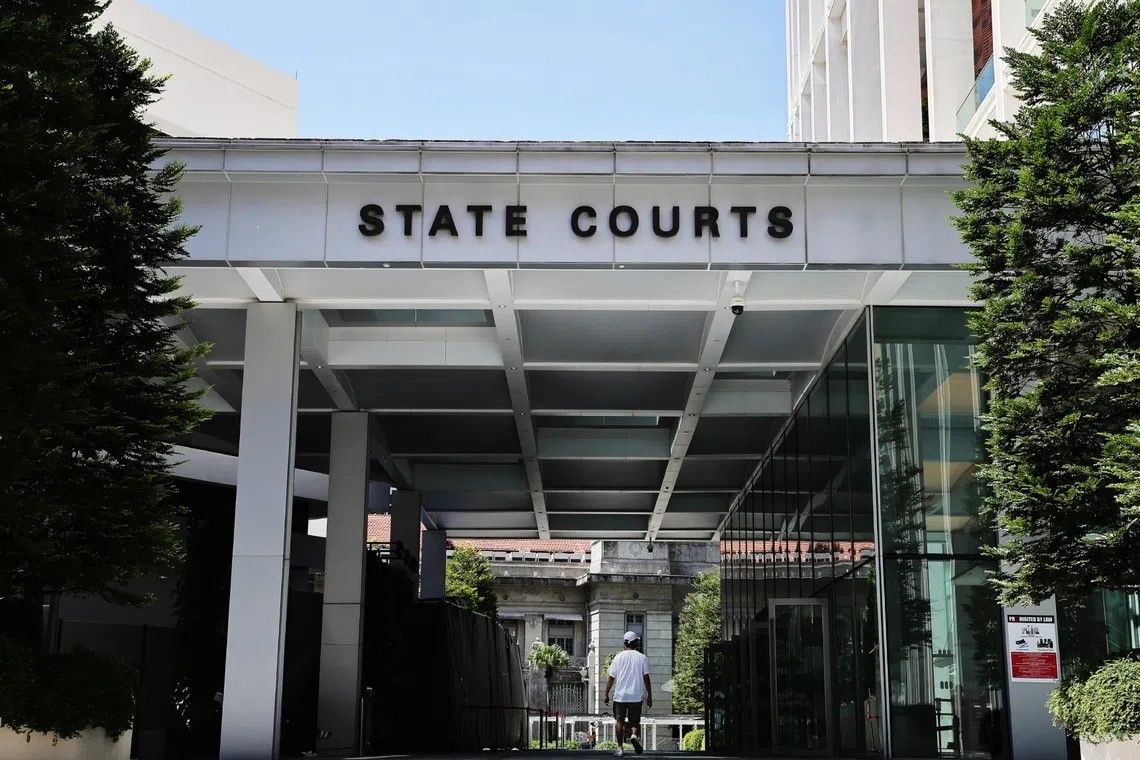
Png's pre-trial conference is scheduled for August 28, when the court will address procedural matters and likely determine the trial timeline. The case will proceed through Singapore's criminal courts, which maintain comparatively robust documentation and transparent proceedings. Media reporting of such cases serves a public education function, deterring similar behaviour through demonstration of legal consequences. The specificity of charges and sentencing frameworks provides clear notice to other drivers regarding the seriousness with which Singapore treats impaired, unlicensed, and negligent driving.
The incident raises systemic questions about intelligence-sharing between enforcement agencies regarding deregistered vehicles and unlicensed drivers. If Png's vehicle had been flagged in police databases or traffic enforcement systems, checkpoint operations or targeted patrols might have intercepted it before the collision. This reflects ongoing debates across Southeast Asia about resource allocation within traffic policing and whether proactive enforcement against obvious violations receives sufficient priority relative to reactive investigation after incidents occur.
For the broader community, this tragedy reinforces fundamentals of road safety discipline. Drivers operating under the influence of any substance—whether drugs, alcohol, or prescription medications affecting cognition—create unacceptable risks to themselves, passengers, and innocent bystanders. The legal consequences Png faces, while substantial, offer only cold comfort to colleagues mourning the pump attendant's death. Regional authorities might consider whether public awareness campaigns adequately emphasise the intersection of drug impairment, unlicensed operation, and catastrophic outcomes, particularly among younger drivers who may underestimate risks.

