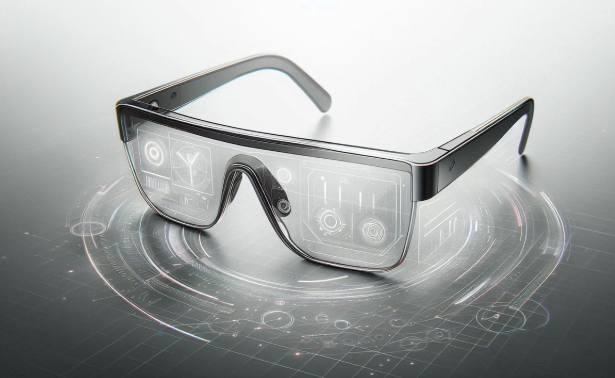
South Korea has entered new legal territory by prosecuting its first case of exam fraud involving artificial intelligence-enabled glasses, signalling the country's growing struggle with technology-assisted cheating at a time when such devices are becoming increasingly sophisticated and affordable. The Gwangju District Prosecutors' Office indicted a man in his 40s last month on charges of violating the National Technical Qualification Act after he was apprehended attempting to use the glasses during a fire protection facilities engineer certification examination in May.
The discovery of this breach reveals how security protocols at South Korea's rigorous examination system, long considered a model of integrity, are being outpaced by advancing technology. An exam supervisor grew suspicious when he observed an unusual light reflection on the suspect's lenses during the test, prompting closer scrutiny that eventually unravelled the scheme. The man subsequently confessed during questioning that he had developed a custom artificial intelligence application specifically designed to interface with the glasses, allowing answers to be displayed directly in his field of vision. He claimed his motivation was experimental—wanting to verify whether the system functioned properly—rather than seeking an actual qualification through deception.
The case represents only the visible portion of a larger problem emerging across South Korea's examination infrastructure. During the same month in May, two additional men in their twenties were apprehended at national technical qualification examination centres in Seoul and Mokpo employing identical tactics. The widespread nature of these incidents suggests that knowledge of this cheating method had already circulated among examination candidates before law enforcement intervention.
Beyond professional qualification exams, AI glasses have infiltrated the English language testing sphere as well. The examination community discovered at least three separate incidents involving TOEIC cheating through the same technology—two cases surfaced in May and another in June. TOEIC (Test of English for International Communication) is a globally recognised proficiency assessment taken by hundreds of thousands of people annually, including numerous Southeast Asian professionals seeking international employment or migration opportunities. The penetration of this technology into multiple examination domains indicates a systemic vulnerability rather than isolated incidents.
The South Korean examination system has historically maintained stringent protocols to prevent cheating, reflecting the intense competitive pressures surrounding qualifications in a merit-driven society. However, the emergence of AI glasses demonstrates how technological innovation can circumvent traditional safeguards. Unlike conventional cheating methods that physical searches might detect, these glasses operate through subtle visual displays and wireless connectivity that require specialised detection equipment to identify. The fact that an exam supervisor had to notice reflected light—essentially a lucky break—underscores how poorly equipped most testing facilities currently are to counter such threats.
Recognising the severity of this challenge, officials from agencies administering major national qualification examinations convened an emergency meeting on July 10 to develop comprehensive countermeasures. The discussions revealed an urgent need to modernise security frameworks that have remained largely unchanged despite technological advancement. Among the proposals under consideration is an explicit addition of AI glasses and related smart eyewear to official lists of prohibited items within examination rooms, making possession itself grounds for automatic disqualification and potential prosecution.
However, simply adding devices to prohibited lists presents practical challenges. Distinguishing between regular prescription glasses, fashion eyewear, and AI-enabled glasses requires either invasive scrutiny of personal items or technological scanning capabilities that most examination centres do not currently possess. This enforcement gap creates opportunities for determined cheaters who might claim suspicious eyewear is purely corrective or cosmetic.
The second major initiative under discussion involves significantly escalating penalties for those caught engaging in examination fraud. Current sanctions may not provide sufficient deterrence for individuals willing to invest in expensive technology and take substantial legal risks for qualification advantages. Enhanced penalties could include extended bans from examination participation, substantial fines, and criminal records that affect employment prospects—consequences severe enough to discourage the significant planning and investment that AI glass cheating requires.
For Southeast Asian nations watching South Korea's response, these developments carry important implications. The region has experienced explosive growth in professional certifications and international examinations over the past decade, driven by workforce mobility and skills development initiatives. If AI glasses cheating spreads to Malaysia, Singapore, Indonesia, and other ASEAN countries, examination bodies may face similar threats without adequate preparation. South Korea's experience suggests that proactive regulatory approaches and technological countermeasures must be implemented before cheating becomes endemic.
The case also illustrates broader governance challenges arising from rapid artificial intelligence adoption. When new technologies can be weaponised faster than regulatory frameworks can respond, society faces a credibility crisis in authentication and verification systems. For examination bodies across the region, the South Korean precedent demonstrates the need for continuous security audits, periodic technology assessments, and rapid response protocols when new cheating methods emerge.
Looking ahead, South Korea's examination authorities face the difficult task of maintaining examination integrity while adapting to technological realities. This may ultimately require investment in advanced detection systems, biometric verification methods, and secure examination facilities equipped to identify and neutralise wireless communications. The first prosecution marks only a beginning; the real challenge lies in preventing the normalisation of such cheating across the entire education and professional qualification ecosystem.

