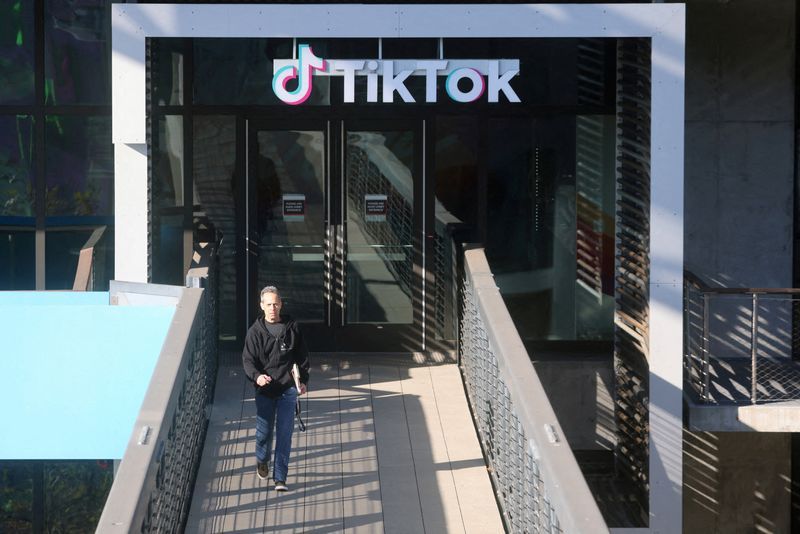
TikTok has agreed in principle to settle a lawsuit brought by a 15-year-old Florida resident who alleged the platform's design harmed his mental health, according to representatives from Morgan & Morgan, the law firm representing the plaintiff identified by his initials R.K.C. While both sides have reached agreement on the core terms, the specific details of the settlement remain under negotiation and have not yet been finalised. TikTok declined to comment immediately when contacted about the development.
R.K.C.'s case represents a significant moment in the broader legal reckoning between young users and social media companies in California's state courts. The settlement comes just days before another major trial is scheduled to begin involving similar allegations against Meta and Snap Inc, signalling that platforms may increasingly prefer negotiated resolutions to the unpredictable outcome of jury trials in these high-profile cases.
According to court documents, R.K.C. began engaging with social media platforms when he was approximately eight years old. He subsequently claimed that excessive use of these applications led to addiction, resulting in severe sleep deprivation and the development of depression and anxiety conditions. His legal complaint initially named four major technology companies as defendants: Google's YouTube, Meta's Instagram, Snap Inc's Snapchat, and ByteDance's TikTok, casting a wide net across the dominant platforms that dominate youth engagement.
The original defendants have already begun falling like dominoes before trial. YouTube reached a settlement in June, removing one of the largest video platforms from the case before it could proceed to the courtroom. By contrast, Meta and Snapchat have indicated they will contest the claims, with both companies scheduled to defend themselves in a trial commencing on July 27 in California state court. This division among defendants—some choosing settlement while others dig in—reflects varying corporate risk assessments regarding litigation exposure.
The broader legal landscape for social media companies has become increasingly precarious. More than 3,300 lawsuits containing addiction allegations against various social media platforms are currently pending within California's state court system alone. The federal court docket presents an even more daunting picture, with approximately 2,600 additional cases filed by individual users, school districts, municipalities, and entire states. This tsunami of litigation demonstrates how thoroughly the mental health concerns of young people and families have penetrated the American legal consciousness.
Social media companies have uniformly rejected allegations that their platforms are deliberately engineered to be addictive. They maintain that they implement comprehensive safeguards designed to protect teenage and younger users from potential harms. However, this corporate messaging has not withstood judicial scrutiny in recent high-stakes trials where juries have sided with plaintiffs.
The precedent set by the first California state court trial, which concluded in March, provides crucial context for understanding why TikTok might prefer settlement. That case involved a woman who claimed she became addicted to multiple social media platforms due to their deliberately attention-grabbing design mechanisms. Notably, TikTok and Snap chose to settle that case before trial began, apparently recognising the vulnerability of their position. Meta and Google, however, proceeded to trial and suffered significant financial consequences. A jury determined both companies had been negligent, awarding the plaintiff $4.2 million from Meta and $1.8 million from Google. Subsequent judicial decisions refusing to overturn this verdict reinforced that such losses may become the new normal.
Federal court litigation has followed a similar trajectory toward settlement. A Kentucky school district initiated a federal lawsuit against Meta, Snap, TikTok, and YouTube, with trial scheduled to commence in June. Rather than risk jury verdicts, all four defendants opted to settle, collectively paying the district $27 million. This wholesale settlement suggests that technology companies have internally concluded that jury trials represent unacceptable financial and reputational risks in this category of case.
For Malaysian and Southeast Asian readers, these American legal developments carry significant implications. Technology platforms operate globally with largely uniform product designs and algorithms. Features designed to maximise engagement in California function identically in Kuala Lumpur, Bangkok, or Jakarta. If American courts are determining that such engagement-maximising features constitute negligence or breach of duty toward young users, regulators and courts across Asia may soon apply equivalent reasoning to their own populations. The precedent established in California courts could influence regulatory approaches and litigation strategies throughout the region.
Beyond California's state courts, the litigation tsunami extends across the entire United States. Nearly every state has filed independent lawsuits against these social media firms, typically in their respective state court systems. These complaints allege that technology companies have misrepresented the safety characteristics of their platforms for young users while simultaneously engineering their designs to facilitate addiction in children. The convergence of state, federal, and individual litigation channels creates multiple pathways through which verdicts and settlements might reshape corporate behaviour and regulatory frameworks.
The settlement strategy that TikTok appears to be adopting—settling before trial rather than betting on jury outcomes—may reflect a rational calculation that defence costs, expert witnesses, and inevitable negative press coverage make settlement economically preferable. However, this approach also signals to plaintiffs' attorneys that pursuing these cases is worthwhile, potentially encouraging the filing of additional suits. The cycle of settlement creates its own momentum, with each resolution validating the legal theory that social media companies bear responsibility for harms suffered by young users.
As these American legal proceedings advance, they will inevitably inform policy discussions across Southeast Asia regarding technology regulation, youth protection, and corporate accountability. Whether through direct litigation or through regulatory adoption of principles established in American courts, the fundamental question of whether social media platforms bear responsibility for mental health harms to young users is being resolved not through congressional legislation or corporate self-regulation, but through case-by-case legal settlements and jury verdicts that appear to favour plaintiffs with increasing consistency.

